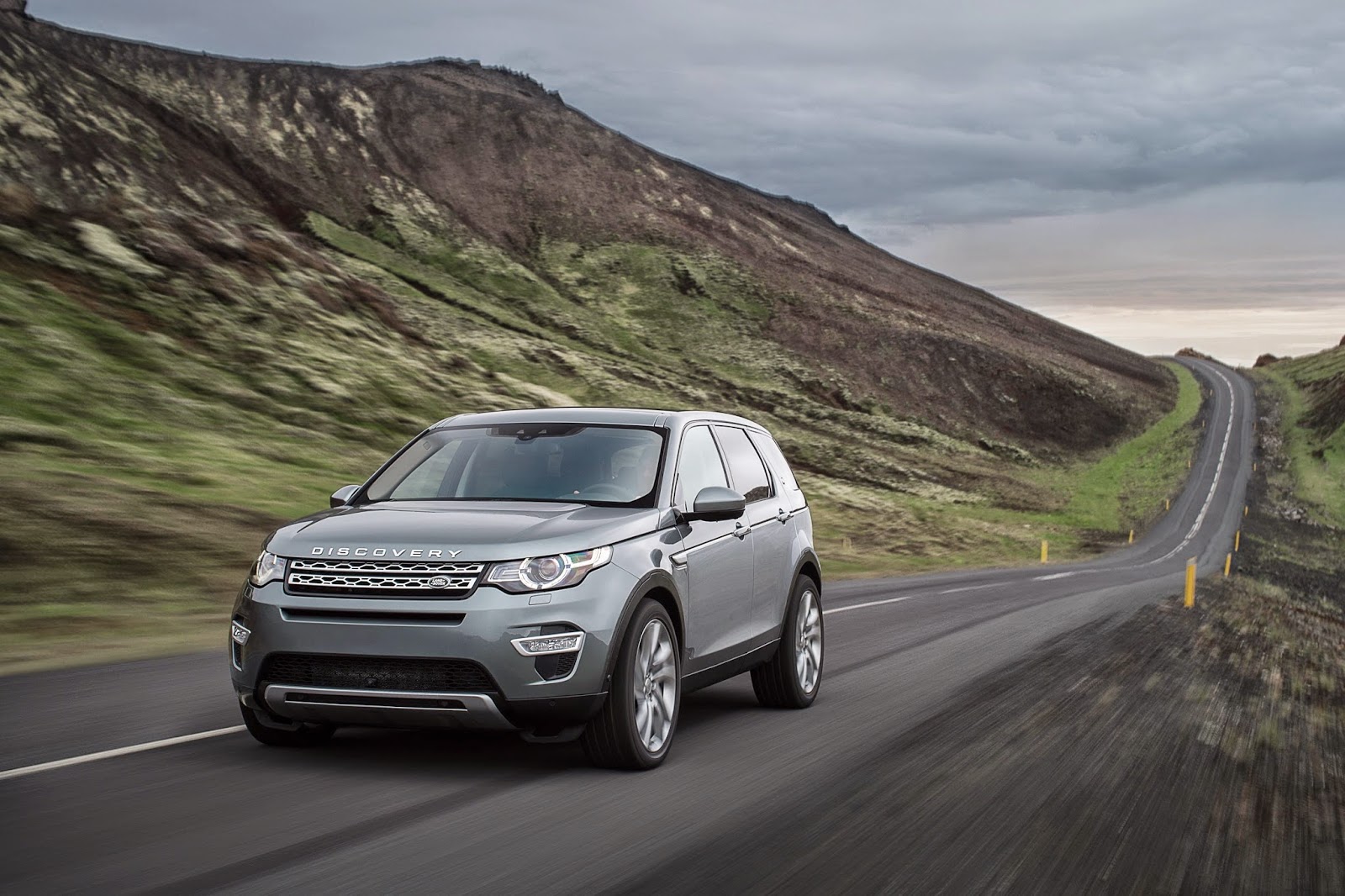
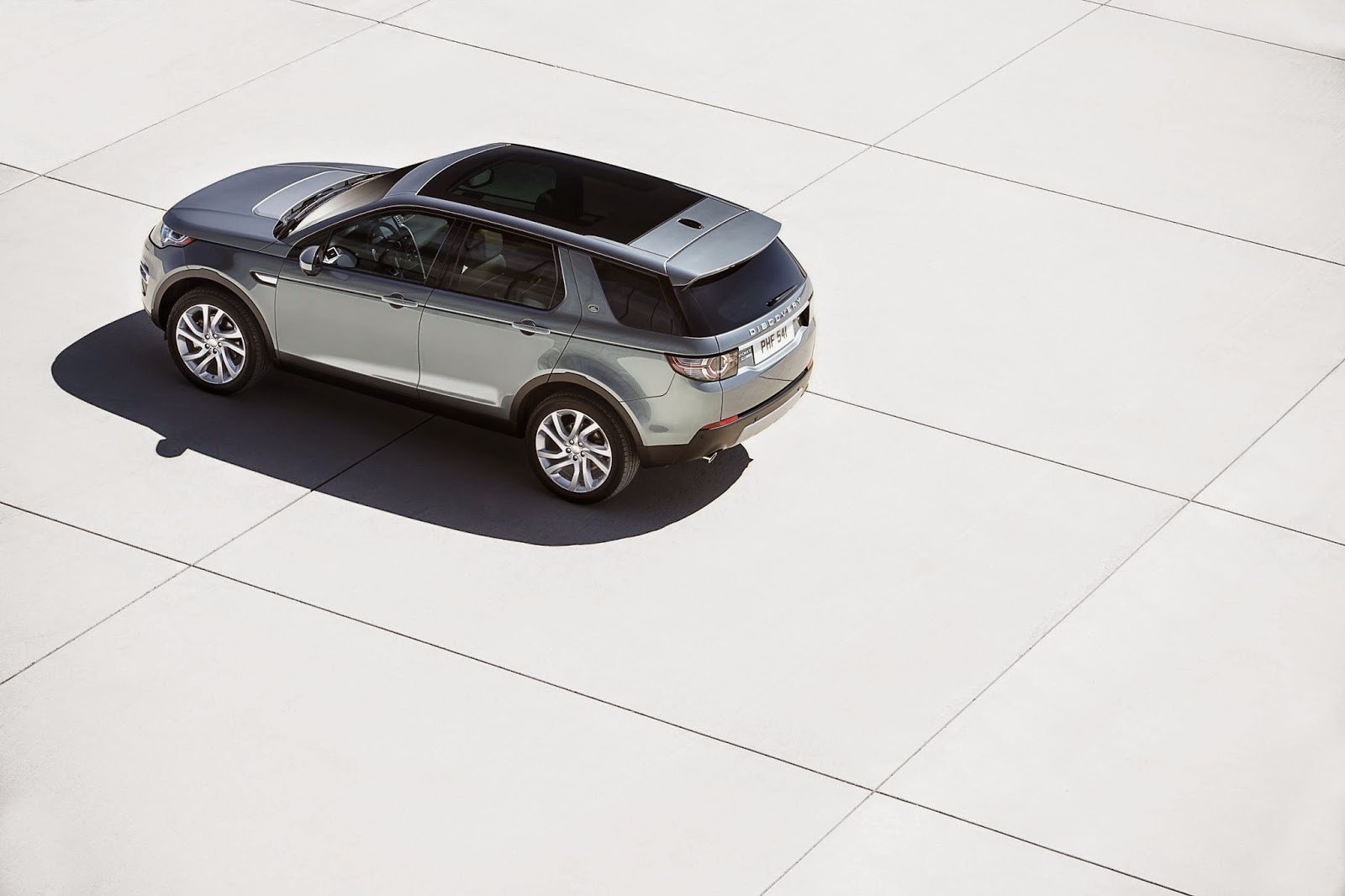
Showing posts with label SUV. Show all posts

13 Jan 2015

What Is It With New SUVs With Stupid Names And Horrible Designs?

The SUV as a concept has been around a long time. Range Rover invented it and still makes the best one, with the best name, but some newcomers look daft and have awful names.

Range Rover Evoque convertible (photoshop)

A pure SUV remains a reasonably sensible car but generally one that is compromised if it isn't actually used off road, although for sheer presence as well as cruising capability, refinement and luxury the Range Rover still beats an S-Class, A8, 7-Series or even XJ.

What was once a niche is now mainstream and has spliced into various niches - the crossover is not quite SUV/not quite car but a combination of the two. I'm tended not to like the concept but a) I'm buying one (a Volvo XC60) and b) the Porsche Macan is a crossover and it's brilliant.

The SUV coupe is an SUV with a fastback rear end and is thoroughly horrible. They drive well enough but the very idea is just wrong. Car enthusiasts with taste hate them but rich, tasteless customers buy them in their droves - along with chunky gold jewellery, bejewelled bum bags (fanny packs if you're American) and white trousers.

And then we come to the SUV convertible and the forthcoming Range Rover Evoque cabriolet. Oh dear me. The Evoque is a tidy little car, I'd have leased one but the XC60 deals were much cheaper, but as a cabriolet? No way, Hosé.

Just recently a splurge of SUVs have been announced and each one has something stupid about it.

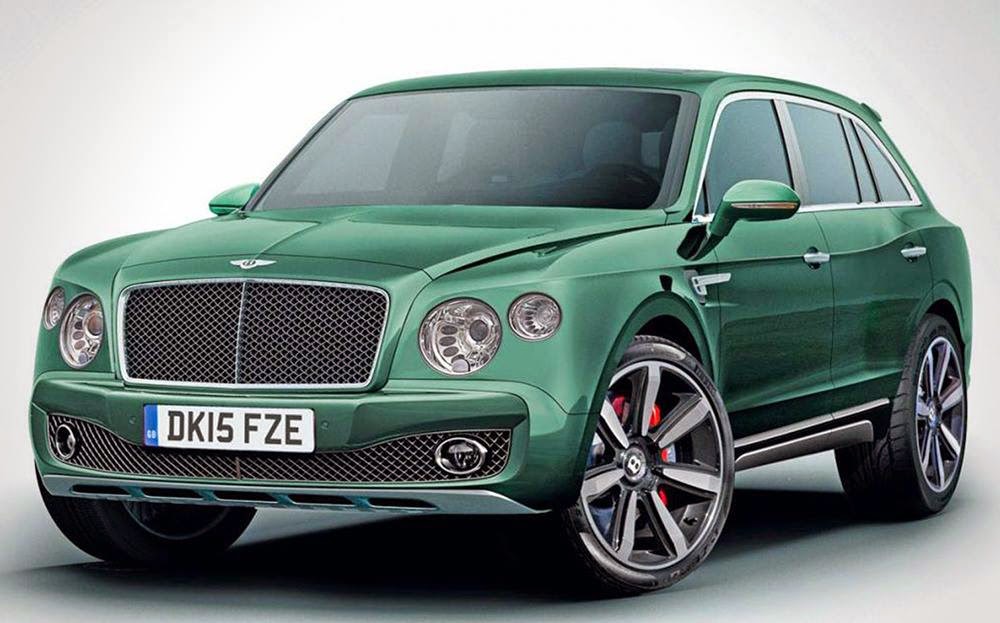
A Bentley SUV was always going to be inevitable and its looks were always going to be big, brash, brazen and not exactly subtle but why, oh why has Bentley called it the Bentayga? (They have, it's official). It takes only a little imagination and the mind of a child (99% of the male population) to work out the unfortunate anagrams available from Bentayga. The pic, by the way, is a photoshop but a pretty accurate one.
Bentley Bentayga - photoshop

Maserati has given its new SUV a pretty stupid name too - it's called the Levante. Levante is East in Spanish - really, Maserati? It will be based on the Kubang concept, which was a nasty looking SUV/crossover/coupe.
Maserati Kubang concept

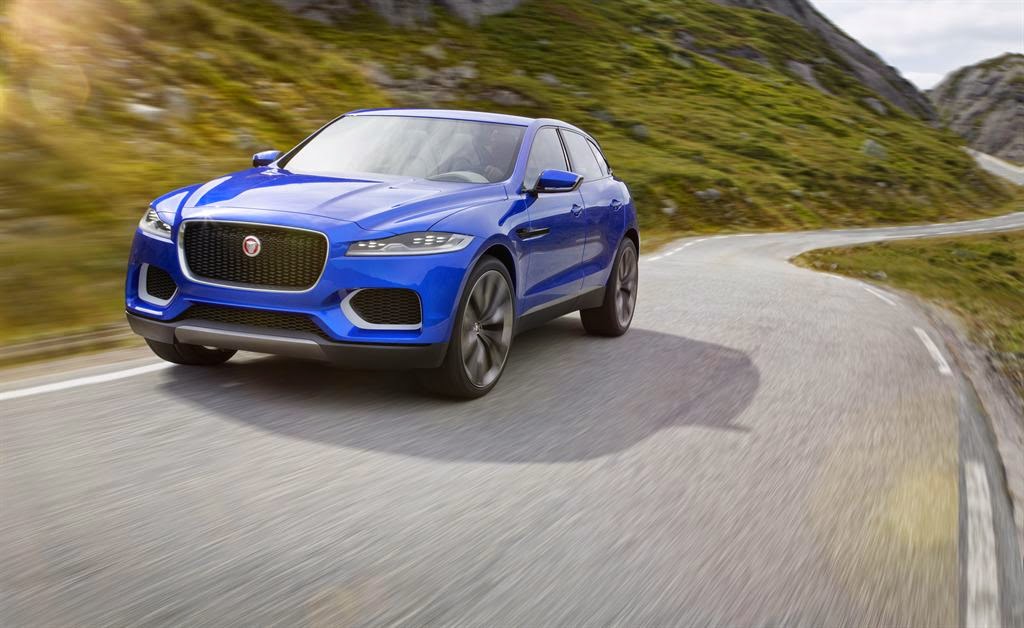
Jaguar's crossover is called the F-Pace. It looks great but what the hell is that name all about?

And then we get the the grand-daddy of stupid SUVs, the BMW X6, an idiotic leviathan of a thing that has spawned both the horrible X4 and the dreadful Mercedes-Benz GLE Coupé.
Mercedes-Benz GLE Coupé - this is a press photo, not a photoshop
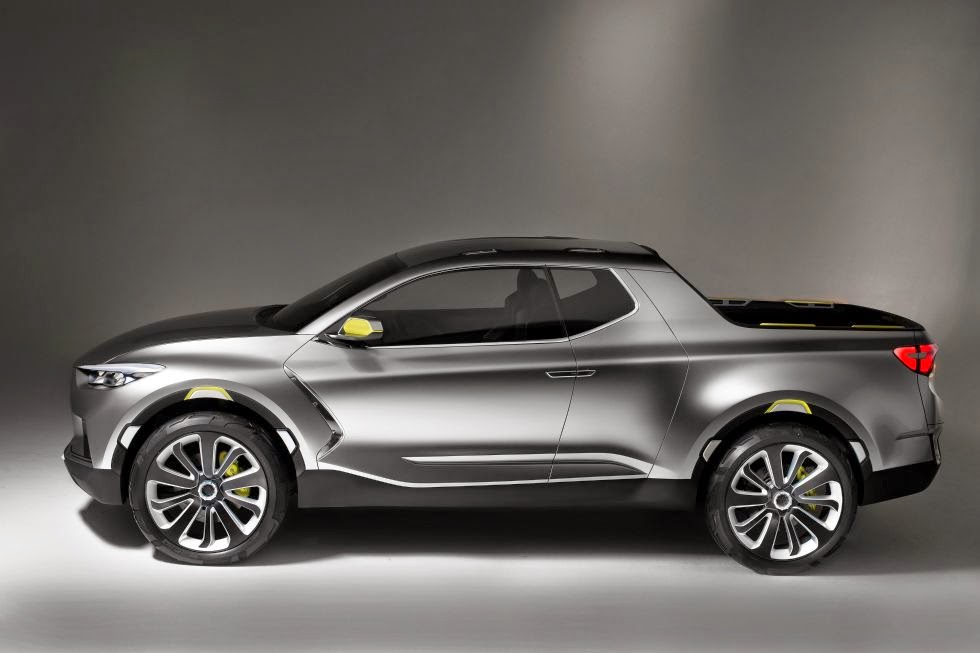
Hyundai has also joined the fray. At the Detroit Motor Show they've just revealed the Santa Cruz, a five seat SUV pickup. Yep, another niche.
Hyundai Santa Cruz concept

Amidst all this stupid nomenclature, obnoxious design and general buffoonery Volvo flies the flag for sensible naming and classy lines. Thank goodness for that. The new XC90 is fab. Well done, Volvo.
2015 Volvo XC90

By Matt Hubbard


12 Jan 2015

Jaguar's 2016 Crossover Will Be Called The F-Pace

We've seen the concept, we know the new Jaguar crossover will be powered by the new Ingenium 4-cylinder engines, what we didn't know was its name - until now.


Someone has leaked something. Not a fluid but some information. The new Jaguar SUV/crosssover will be called the F-Pace.

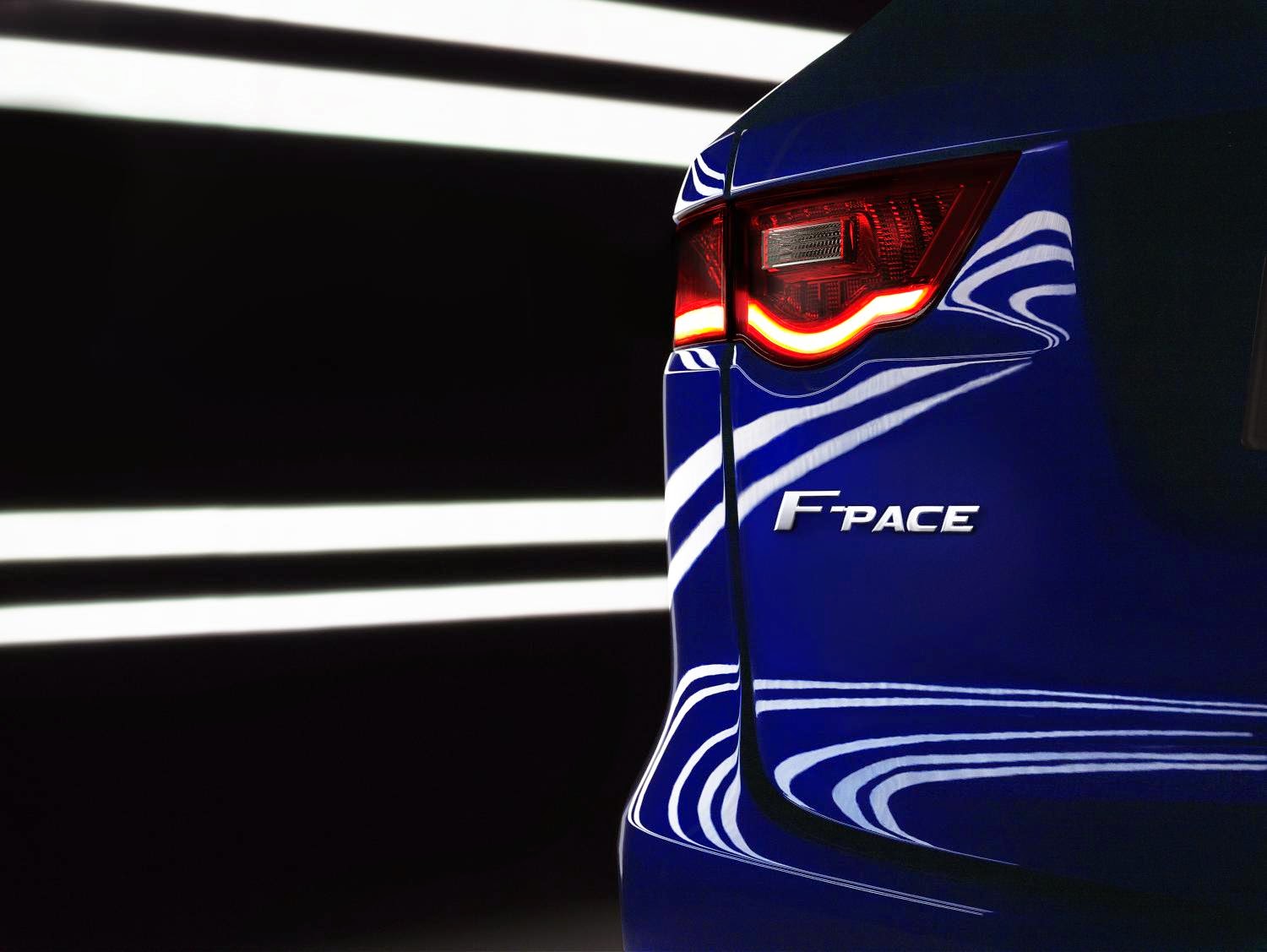
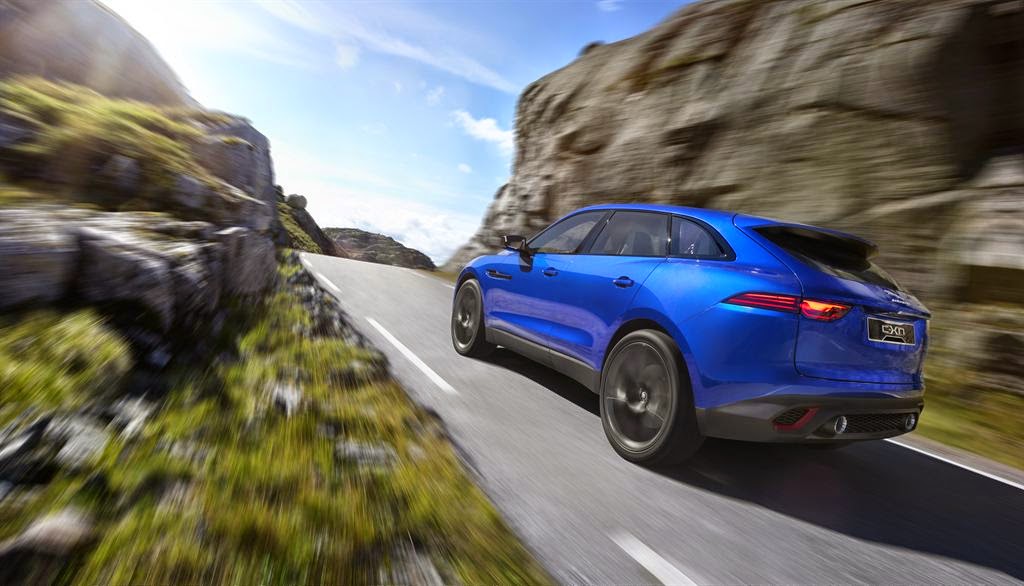
Check out the official image leaked by Jaguar (these things get very confusing, is it an official leak or an unofficial leak and if it is an unofficial leak is the official photo official? Whatever, someone really should think about mopping up the leak with some kitchen paper), with its name emblazoned underneath the F-Type-alike rear light.

Apparently it is categorically not an SUV (that is official, not unofficial because it was said by JLR boss, Ralf Speth) but a crossover, a term beloved of car manufacturers to mean a car that is not good as an SUV off-road but not as good as a saloon on-road. Instead, a crossover is a half-way house which gives an SUV-style drive position and space with saloon-style handling. Got that? Land Rovers are SUVs, Jaguar is not allowed to make an SUV, it has to be a crossover.

Whatever, the Porsche Macan is also a crossover and that is very good at being a car but not quite so good at being an SUV (it cannot, for example, make it round Porsche's off-road course at Silverstone).

The F-Pace will be very similar to the C-X17 concept, which was fantastically good looking inside and out. And seeing as Jaguar hasn't put a foot wrong since the X-Type all the signs are good.

Except the name is awful.  It's really horrible. Some poor old geezer called Fred Pace will be wondering why Jaguar decided to name its new not-an-SUV after him whilst I wonder who on earth came up with the daftest name since Ferrari LaFerrari.

Maybe the name was approved by Monty Python's Silly Party candidate, Tarquin Fin-tim-lin-bin-whin-bim-lim-bus-stop-F'tang-F'tang-Olé-Biscuitbarrel. Yes, I think Mr Fin-tim-lin-bin-whin-bim-lim-bus-stop-F'tang-F'tang-Olé-Biscuitbarrel would approve of the Jaguar F-Pace.

Hopefully seeing as these are early days, and seeing as the leaking seems to be reasonably unofficial (although it could be officially unofficial), it's not too late to change the name to something more sensible.

Stop Press:


After writing the words above the words below were issued by Jaguar. Everything unofficial is now official. The name is officially F-Pace. Damn.


Jaguar has today confirmed it will introduce an all-new model to the Jaguar line-up, to go on-sale in 2016, named the Jaguar F-PACE.

Ian Callum, Director of Design, Jaguar, commented: “We received such an overwhelmingly positive response to the C-X17 concept car last year that we just had to make it a reality.

“The Jaguar F-PACE, inspired by the F-TYPE, represents a perfectly judged balance of performance, style and practicality. It offers a unique combination of Jaguar sports car inspired exterior design, fused beautifully with a thoroughly practical and spacious luxury interior. The F-PACE is our family sports car.”

The Jaguar F-PACE couples class-leading interior space and exceptional on-road dynamics with five-seat usability to produce a true performance crossover. It will encapsulate everything that Jaguar stands for: beautiful design, precise handling, a supple ride, luxurious interior finishes and cutting-edge technology.

Speaking in Detroit, Andy Goss, Jaguar Land Rover Global Sales Director, said: “In 2015 we will celebrate Jaguar’s 80th year. We have started it by announcing our first performance crossover which we consider to be the ultimate practical sports car - a car that builds on the marque’s founding ideals of Grace, Pace and Space to become one of the most innovative Jaguars we’ve ever developed. The F-PACE has now begun its engineering and development testing programme ahead of the new model going on sale in 2016.”

The F-PACE will be manufactured in Solihull, UK.

Further details of Jaguar’s all-new F-PACE will be revealed later this year - #FPACE
 The Jaguar C-X17 concept
 The Jaguar C-X17 concept

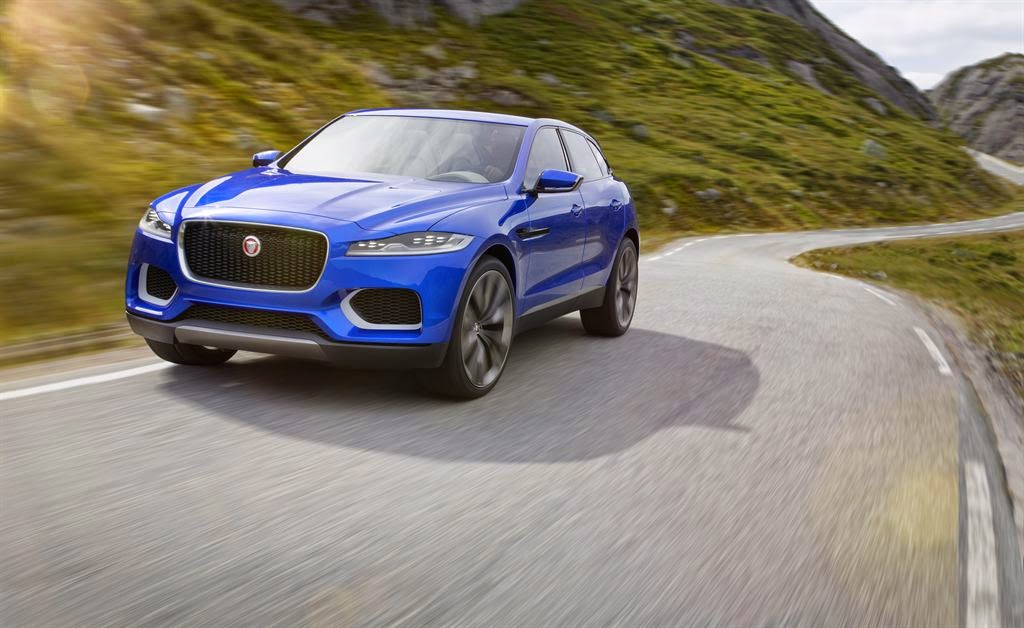
 The Jaguar C-X17 concept

 The Jaguar C-X17 concept

By Matt Hubbard


6 Jan 2015

Fleet - My First Ever New Car Will Be A Volvo

In my last fleet update I said I was going to buy a Golf GTi Mk5. In typical car enthusiast style I've changed my mind yet again.


You may recall I said I needed to sell my Audi TT and buy something with four seats and that, through a process of elimination, it was going to be a Mk5 Golf GTi.

In the same article, going through the various options, I said, "Not an SUV - I don't want one if it isn't a Range Rover or Volvo and I can't afford either."

For some of us the choice of car we run reflects the essence of our soul. We may not think we care what the neighbours think of what's sitting in the drive...but we do. And not just the neighbours. We care about what everyone thinks about our choice of car. When we're sitting in miles of traffic on a congested motorway we care what every other driver thinks about the car we're sitting in.

We want our wheels to be an extension of our personality, to show to the world that we carefully thought about it and selected a machine that not only provided for our needs but that differentiated us from every other person who has ever bought a car.

To a petrolhead choosing a car is a very important decision.

Which is why we can never make our bloody minds up.

Whenever I've driven a press car I've asked myself if I would want to buy that car for myself, my family, my circumstances. With most the answer is no. This is generally because it is too underpowered, too small, too impractical, not refined enough, because I could not afford it or for some small reason that renders a generally good car unfit for my personality and needs.

For example using purely forensic analysis the Toyota RAV4 is an amazingly capably car that I would never buy. Not because it's a Toyota (I'd buy a GT86 if it had decent rear seats and a hatchback boot) but because the interior isn't up to snuff. It's functional but has no flair.

Similarly the Maserati Ghibli fails on two counts - that of not being special enough for a Maserati and being outside my budget.

If I were choosing a car based purely on my personality I would buy a Lotus Evora or a Porsche 911. But neither has four seats, both are too expensive for me and neither would be suitable for ferrying the dog around.

Talking of the dog, she comes most places with me. Some cars are dog friendly and some are not. Mine has to be.

I chose a Golf GTi Mk5 because I couldn't afford a new car.

But, like any addict, I kept returning again and again to my obsession - the new car pages. I read my own reviews, I read the back pages of Autocar, I checked the financing on various cars.

Technically I could afford to lease a car but wasn't confident financially that I could make the payments over the two or three year contract. I've just never been comfortable signing up to something that commits me to be paying out dozens of months hence.

But then I realised something. The TT was paid for by a loan and until recently I was making monthly finance payments on my Triumph Street Triple. The bike is now 100% mine and if I sell the TT I can pay back the remainder of the loan.  Therefore, at minimum, I can afford the combined sum of the two, which is £370.

So, with renewed vigour, I spent hours searching leasing websites for a car with a low initial payment and monthly payments below £370.

The obvious choice was a Golf R. It was at number one in my top cars of 2014 and there are some seriously cheap deals available, but such is its popularity that if I placed an order in December 2014 it wouldn't even leave the VW factory in Wolfsburg until August 2015. I'm too impatient to wait that long.

Outside of a Golf my favourite car (that fits my needs) of the past couple of years is the Range Rover Sport, but monthly payments of that are in the area of £800.

An Evoque would be a substitute of sorts and is more affordable but for some reason lease payments are quite high.  Plus, if you want a Range Rover then you buy a Range Rover, not an Evoque.

Then my mind flashed back to the Volvo XC60 I'd driven to Paris in the summer. Volvos have the best interiors in the business and the XC60 is practical, comfortable, has an incredibly smooth ride and is more refined than most German cars. At the time I thought if I could afford one I would buy one for myself.

Remember what I said above? The only SUV I'd buy is a Range Rover or a Volvo. The XC90 is getting old and the new one is too expensive for me but I was wowed by the XC60.

Volvos used to be square and safe, then Ford bought the company and ruined it. Since shaking off Ford's shackles Volvo has emerged as a left field contender to the German big three. Having driven most of its product I've been consistently impressed by them.

I checked the lease pages. A few companies were offering staggeringly cheap deals, around 30% off. I found a deal from Stoneacre Motors for an XC60 D4 R-Design and emailed an inquiry.

A couple of days later and I'd placed an order for the car, in Power Blue with the optional winter pack, rear parking sensors and rain sensitive wipers. It's in my budget and will be delivered in early March.

Aside from a couple of company cars which I didn't choose this will be my first ever new car. I can't wait.

Oh, and as the XC60 isn't exactly a driver's car I'm already thinking that I should keep my oar in with a cheap MX5 Mk2. But first I've got to sell the TT.

By Matt Hubbard


5 Jan 2015

Here's Why Jaguar Land Rover Is The Coolest Car Company Right Now

When I started this writing about cars lark the first company to engage with me was Jaguar Land Rover, and one of the first cars I drove was the magnificent XKR-S

The Jaguar C-X75 which will feature in Spectre

It was a frankly awesome car. Beautiful to look at, incredibly fast and powerful and it sounded like Hades after he'd stepped on an upturned plug whilst going for a wee in the night.

Such is the pace of JLR's progress the XK has been retired due to the popularity of the F-Type, with which it shared a factory. F-Type orders were such the venerable XK was squeezed out. Introduced in 2007 the XK's model life was a mere 7 years. It finished with a flourish with the epic XKR-S GT.
Jaguar XKR-S GT
Jaguar XKR-S GT 

In my time as an observer and writer of cars and the industry in general I've seen and driven many new cars and JLR has been the one company which has never put a foot wrong. It's been on an upward trajectory ever since it was released from Ford's ownership and allowed to flourish under Tata.

The XJ, released in 2009, is probably the only model that doesn't receive near-universal praise. It drives great, has the best interior in its class, has a range of fantastic engines but the rear end looks a bit unfinished.

Consider the other Jag saloon, the XF. Launched in 2007 as a replacement for the horrible Ford designed S-Type (sorry dad if you're reading this (he has one)) the XF is better than the S-Type in every conceivable way.  It still drives better and has a better interior than the competition.

Finishing off the saloon trilogy is the XE, revealed in September 2014,  it looks awesome, inside and out, and will be powered by the new range of Hotfire engines which are more powerful, economical and efficient than those in any previous Jaguar. From a design, efficiency of engines and a residuals point of view it's already on track to be a fleet success.
Jaguar XE
Jaguar XE

One of the jewels in the JLR crown is that supercharged, 5-litre V8 from the XKR-S, which you'll find in the XJ, XF, Range Rover, Range Rover Sport and F-Type. It produces insane amounts of power and sounds the nuts.

In the F-Type R Coupe it produces 550hp and 680Nm.

The F-Type has been JLR's biggest headline success in the two and a half years Speedmonkey has been in existence. Bold, beautiful, fast and selling like hot cakes the F-Type started out in life as a cabriolet then, in November 2013, the coupe was revealed and it was even better looking and drove better than the cabriolet.

Keen to chase down Porsche the F-Type range will expand in 2015 when we'll see a manual gearbox, four wheel drive and even a budget 4-pot version. Oh, and a lightweight RS.

Even the forthcoming Jaguar SUV looks fantastic, something that can't be said for many SUVs.
Jaguar C-X17 SUV concept

On the Land Rover front the Evoque exceeded everyone's expectations in terms of how it drove, the quality of the interior and how many it sold. Spy shots of an Evoque cabriolet are currently doing the rounds.

The new Range Rover was launched in 2012. It was lighter, faster and better looking than its predecessor, and  the interior quality was light years ahead of the competition. I drove one for a week and its SDV8 engine returned 30mpg! The new RR sells almost twice as many units as the old model.

The Range Rover Sport came along in 2013 and was an even bigger leap over the old model than the Range Rover was.

The Freelander wasn't exactly rubbish but it did lag behind its stablemates in terms of market share, but, according to the reviews, the new Discovery Sport (its replacement) should put paid to that. It will also be the first of a new 'family' of Discoverys, with a separate identity to the rest of the Land Rover range.
Land Rover Discovery Sport

The Defender, on its last legs, will be replaced in a year or two, but not before a new Discovery in 2016.

Jaguar Land Rover cannot put a foot wrong at the moment.  Its success is down to a great range and a combination of volume models and high-end specials produced by the Special Vehicle Operations divisions of both Jaguar and Land Rover.

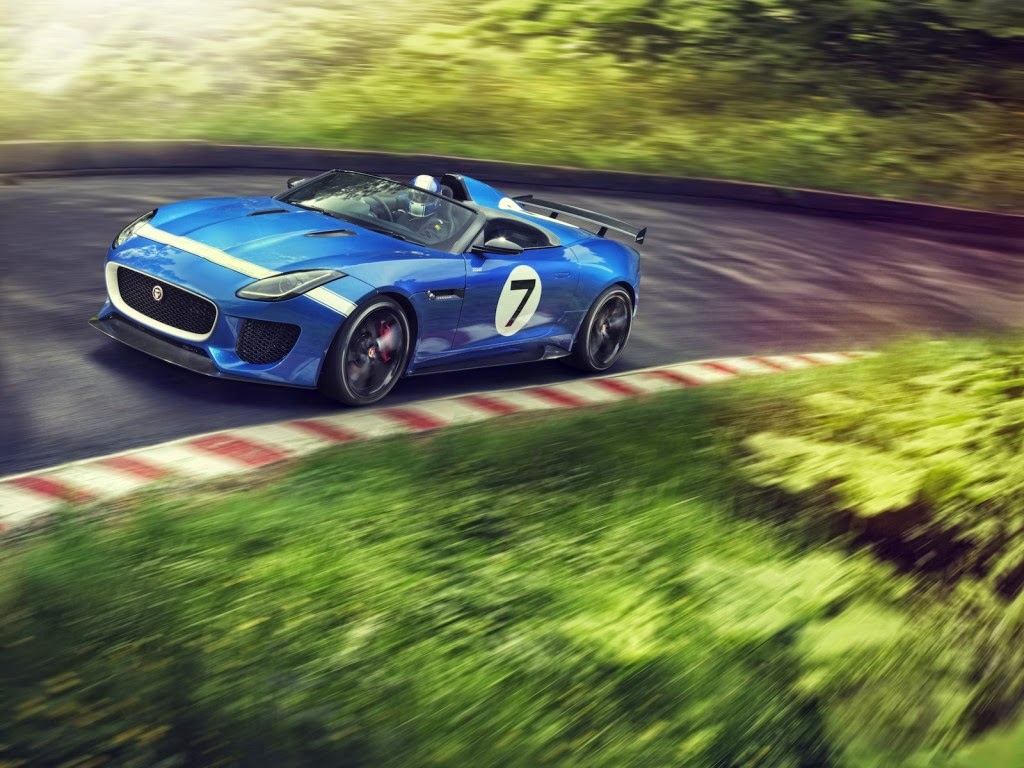
Ah yes, the SVO division. Responsible for the F-Type Project 7 which was initially shown as an outrageous concept in summer 2013 and which you can now configure and buy from Jaguar, just like any other car.
Jaguar F-Type Project 7

Speak nicely to SVO and they'll make you a bespoke Jag or Landie to whatever spec you want - within reason of course.

Will JLR's ever increasing success end? Well, if they ever lost creative geniuses Ian Callum or Gerry McGovern they'd certainly stumble but with the company hiring non-stop in all departments probably not for long.

I like JLR on a personal level. I've never driven one of their cars and thought it was merely OK, or even a bit rubbish. They make enough profit and have enough confidence about themselves new models are being launched on a regular basis, and with big budgets.

Compare that with the horrible state of the company in the Ford era and you appreciate how much things have been turned around under Tata's parentage.

But surely the coolest thing about JLR as we head in to 2015 is that the baddie in the new Bond film, Spectre, will drive a C-X75.

C-X75 was a concept car that was never made but that Jaguar says has provided them with a wealth of ideas from its R&D stage.  It looked a million dollars and was powered by four electric motors which were recharged by micro gas turbines.

What better halo car for the coolest car company around right now.

By Matt Hubbard


4 Dec 2014

Porsche Macan Review

Matt Hubbard reviews the new Porsche Macan, the Cayenne's smaller,  sportier sibling

Porsche Macan S Diesel

Back in 2002 the Cayenne took all the 'why the hell is Porsche making an SUV?' flak, and then doubled Porsche's worldwide sales.

The deed was done, Porsche was no longer purely a sports car company, it was a manufacturer of sports cars but also of off-roaders and luxury saloons. The Cayenne introduced the concept of a large SUV to Porsche's customers, and made the company a pot of money. So much so it made sense for a smaller SUV to accompany it in the model line-up, alongside the Panamera, 911, Cayman and Boxster.

The Porsche Macan was launched earlier this year. It is sportier but less able off-road than the Cayenne. But it still looks like an SUV with five doors, the engine at the front and an elevated profile that still has that slightly odd front end that tries to look like a 911 and doesn't quite succeed. We've kind of got used to the concept with the Cayenne but it succeeds more so in the Macan.

Elsewhere the look is purposeful and muscular with a steeply sloped rear window atop which sits a small roof spoiler and huge air-gulping gills in the front quarters.

Interior space is quite reasonable and no worse than in an Evoque. The overall shape and feel of the interior is similar to the more expensive Cayenne but somehow feels better, more luxurious. The devil in the details and the details abound in the stitching, quality of materials and look and feel of the switches and dials. It says class, it feels quality.
Porsche Macan S Diesel

It comes at a price though. The Macan S Diesel which I drove on the road (I took the Turbo for a spin on track) costs £43,300 but the leather interior costs £1,052, electric sports seats cost £1,214 and heating elements for those seats costs £219. Even cruise control is a £348 option.

The driver is cocooned in figure-hugging seats, with a tall centre console festooned with chassis and exhaust buttons. You sit relatively low for an SUV - the steering wheel sits in your lap and the pedal box is deep.

It's meant to feel like you're sitting in a sports car - and it does.

The touchscreen and controls are pretty much the same as they are in all Porsches, which is to say efficient, ergonomically constructed and with an expensive feel.  The steering wheel is trimmed in a lovely, soft leather and has the usual buttons and dials, although cruise control is dealt with via a lever below the indicator and is not as intuitive as in many other cars.

I tested the Macan S Diesel and the Turbo. The Turbo costs £59,648 and produces 400hp and 400lb ft from a 3.6 litre V6 petrol.  It is seriously, properly fast.

The S Diesel gets a 3-litre V6 with 258hp and a mighty 428b ft of torque.  It is also no slouch.
Porsche Macan S Diesel

Both engines are more than up to the task of propelling the Macan in a straight line very quickly.  The  7-speed PDK gearbox is honed for road use but also works fantastically well on track. You hardly need to use the paddles.

The Turbo sounds great and the S Diesel is, thankfully, dead quiet and smooth - on the road you wouldn't know it is an oil-burner, aside from the masses of torque.

Power is delivered to the road by four wheel drive. The rear axle is in constant use and power can be sent to the front wheels if required - the opposite of many four wheel drive systems. A display in the instrument binnacle shows the proportion of torque going to each axle. Under hard acceleration or cornering it normally sits at 66 rear 34 front.

The Macan drives in a manner that belies its shape and bulk - the diesel weighs 1,880kg.  Fair enough the engines provide lots of power but it feels sprightly.

Turn into a corner and the transition from 5-seat SUV to sports car is startling. The Macan really does handle. The steering set-up provides for great grip and neutral turn-in whilst the wider rear track and rear-biased power delivery helps give it a push rather than pull in the corners.

The ride is good too, although not quite as good as in an Evoque.  Its off-road ability is also not quite so good - the handling and general abilities are more suited for on-road work, where it beats the Evoque hands down.
Porsche Macan S Diesel

The Porsche Macan is one of the best all-round cars on the market. It's spacious, practical, fast, fun to drive, good value (unless or until you start speccing it with expensive options) and, in diesel form, economical.

The only real problem with the Macan is that you can't get your hands on a UK model until the end of 2015. Porsche GB has already used up it's allocation for 2014 and 2015 right through 'til the autumn. For those lucky enough to have ordered one and taken delivery there's not much to beat it.

Stats:


Car - Porsche Macan S Diesel

Price - £43,300
Engine - 3-litre, V6, turbo-diesel
Tranbsmission - 7-speed PDK automatic
0-62mph - 6.3 seconds
Top speed - 142mph
Power - 258bhp
Torque - 428lb ft / 580Nm
Economy - 46.3mpg
CO2 - 159g/km
Kerb weight - 1,880kg

Car - Porsche Macan Turbo

Price - £59,648
Engine - 3.6 litre, V6, turbo
Tranbsmission - 7-speed PDK automatic
0-62mph - 4.8 seconds
Top speed - 165mph
Power - 400bhp
Torque - 406lb ft / 550Nm
Economy - 30.7mpg
CO2 - 216g/km
Kerb weight - 2,000kg
Porsche Macan S Diesel

Porsche Macan S Diesel

By Matt Hubbard


2 Dec 2014

2014 Range Rover Sport SDV6 Review

Matt Hubbard reviews the Range Rover Sport SDV6 Autobiography

Range Rover Sport SDV6

The 2014 Range Rover Sport is as different from the old Range Rover Sport as the BMW Mini is from the Morris Mini. Nothing was carried over from the old Range Rover Sport.

The old Sport was based on the Discovery chassis whilst the new Sport is based on the new Range Rover chassis. This means it is lighter, to the tune of 420kg. You'll also have a lot less buttons to press. Literally. Whilst the dash in the old Sport looked like Land Rover had loaded a blunderbuss with knobs and shot the interior, the new one is cleaner and more minimalist.

It has some knobs on the dash and a few functions in the touchscreen and steering wheel. It is now harder to differentiate from the new Range Rover. The main giveaway is that the Rangie gets fake gills on its doors whilst the Sport doesn't.

A few people have commented that the Sport looks like the Evoque. The Evoque is squat and quite square, with a low roofline that tapers to almost nothing at the rear. The Sport is tall, long and quite rounded. There aren't too many sharp edges on it. It's handsome, brand new, but recognisably a Land Rover. The test car sat on 22" wheels but given it's size (4.78m long, 1.93m wide, 1.81m tall) they don't look out of proportion. It is a big car but it's designed so well it doesn't look massive to the naked eye.

Take a look at the photos. See the lower skirts, the black bit below the door? When you open a door you realise that bodywork is actually part of the door, and opens with it. This reveals the usual Land Rover flat floor, so mud and dirt can fall out when alighting whilst wearing wellies. It also means the sill is clean because it is normally covered by the door. No mud on the sill to get your clean trousers and shoes dirty. Cleverly thought out and incorporated into the car.

This is why Land Rover is Land Rover.
Range Rover Sport SDV6

Once inside and feels almost identical to the new Range Rover. The interior is laid out very similarly - you would struggle to know which car you were in. The Range Rover is bigger in every way than the Sport but the only differences you feel inside are in width, rear legroom and windscreen rake. The Sport is about 15cm narrower and the windscreen is set at a less steep angle. The Range Rover adopts quite a traditional, flat windscreen whilst the Sport's is more fashionably shallow.

Visibility is fantastic. You sit high up, with lots of headroom above (infinite if you open the vast sunroof), and the A-pillars are positioned and designed so as to minimise visual impact. The aforementioned controls are nicely laid out. The Start Stop button is at the top of the dash by the vents. There are 3 knobs under the touchscreen which control the climate system and around these are some other buttons for the entertainment system.


The screen is the usual Jaguar Land Rover effort but with flush buttons that are similar to a smartphone's screen. I prefer Jaguar's actual buttons. They look less posh but have a more positive actuation. The touchscreen controls satnav, heated seats, entertainment and some of the climate systems.

I've read other people talk about the touchscreen system being counterintuitive and confusing but this is absolute rubbish. It's a doddle to use, although the satnav can be laggy and a bit slow.

Some lovely features in the system are the timed climate, which allows you to pre-heat (or cool) the car at a preset time either as a one-off or at the same time every day, the heated and cooled seats - front and rear - and dual view touchscreen which allows a passenger to watch TV on the screen whilst the driver can only see the usual menu system.
Range Rover Sport SDV6

The sound system in the test car was a £5,000 option. It's a 1700w Super Premium Audi System (apparently) and sounds incredible. Just be careful where you are and what you play because those around will be able to hear it too.

The gear lever is similar to the one in the F-Type and is apparently based on that in a typhoon fighter. It looks nicer than the old dial (and the one you'll still find in the XF) but it's less easy to use and the trigger (which you have to pull to make it function) is gimmicky and superfluous.

Elsewhere you get a mass of storage space and a USB plug and fridge under the armrest. I like this. The Sport is ideal for long journeys so you can chuck your bottle of water in the fridge and not have to pay ridiculous motorway service station prices for them.

The seats are supportive, comfy, infinitely adjustable and just very nice to sit in. The headrests in particular just meet the back of your head. In most cars the headrest sits somewhere behind your head but in the Sport they gently brush against it, and when you lean back you feel they are very squidgy. They'd do a good job of cushioning your bonce in a crash. I drove for nearly 12 hours in one hit and didn't suffer at all - not something that could be said of many cars.

The rear seats are spacious. Three could sit abreast with no problems although the middle occupant might feel left out whilst his companions watch telly on the integrated TV and headphones (a £1,500 option). Plenty of knee room is available, although not as much as in a Range Rover.

You can specify an extra row of seats in the back - this explains why the seats are not quite so spacious as the Range Rover's. But it does mean you get a vast boot.

Elsewhere the trim is leather, aluminium and piano black. No wood at all in the car I drove. Fire up the Sport via the Start Stop button and thank goodness you can't really hear the diesel thrum of the SDV6. It's very well damped and only ever really intrudes on full throttle. The digital dials (as in the Jaguar XJ) blink into life and you're ready for the off.

The engine is mated to a ZF 8-speed gearbox. As with any turbodiesel aligned to an automatic gearbox you get some turbo-lag from a standstill. Pull away and the Sport feels sprightly. Not sports car sprightly but more than an SUV has any right to be sprightly.

0-60 in 6.8 seconds is pretty damn good for a 2 tonne car with a diesel lump. This sprightliness continues through the closely spaced gears. It really does pull well. Maybe Sport is an appropriate moniker. Careen round a decent corner at speed and it doesn't roll.

This is the main difference between the new Range Rover and the new Range Rover Sport. The Rangie rolls whilst the Sport doesn't. It really doesn't embarrass itself round sweeping and swooping bends. Whilst the Range Rover's ride is sublime the Sports is merely very good. All manner of bumps and squashed wildlife is smoothed over, with only harsh ripples transferring through into the cabin.
Range Rover Sport SDV6

In my mind the Sport's suspension makes for a better compromise between performance and ride. Economy isn't bad either. The official combined figure is 37.7mpg. In reality you'll achieve 30mpg, but for a fast, heavy SUV this isn't bad. You can partially put that down to its low drag figure - 34Cd.

At this juncture it's worth pointing out that the SDV8 engine has 339bhp and 546b ft of torque and, officially has a lower combined mpg figure of 32.5. However having spent a week with a Range Rover with the SDV8 engine I achieved exactly the same figure - 30mpg. Maybe it's because you don't need to push the SDV8 quite so much as the SDV6 but, whatever, both engines should see similar economy.

I could find very few faults with the Range Rover Sport. The steering wheel feels a bit thin and the trigger on the gearstick is gimmicky. The fact that xenon headlamps are a £300 option is also a bit off. But otherwise it is an immensely capable car.

Never before has a new model so completely obliterated its predecessor. The new Sport stomps all over the old Sport in every possible area. And it pulls off the magic trick of being a Range Rover Sport that is aspirational and is great to own and drive without making you feel like a bit of a buffoon. If you are in the market for a premium SUV the company that invented the concept in the first place sells best there is and has ever been.

Stats:

Price - £74,995
Engine - 3 litre, V6, turbocharged, diesel
Transmission - 8-speed automatic
0-60mph - 6.8 seconds
Top speed - 130 mph
Power - 288 bhp
Torque - 443 lb ft
Economy - 37.7 mpg
CO2 - 199 g/km
Kerb weight - 2,144 kg
Range Rover Sport SDV6

Range Rover Sport SDV6


Range Rover Sport SDV6

Range Rover Sport SDV6

Range Rover Sport SDV6

By Matt Hubbard

19 Nov 2014

2014 Range Rover Sport SDV6 First Drive Review

I'm running a Range Rover Sport SDV6 Autobiography for a week. Here are my first impressions.

2014 Range Rover Sport SDV6
Good looking car isn't it. In photos the Range Rover Sport looks great, in the metal it's even more fabulous. The old Sport was a bit too square, a bit too squat and a bit too chunky - in physical weight as well as visual weight.

The new one carries over only the name. Instead of being based on the old Discovery the new Sport shares the aluminium chassis of the Range Rover, which means it's been on a diet. Instead of two and a half tonnes it weighs a 'mere' 2,144kg.

That makes a load of difference. I've driven the V8 petrol and the V8 diesel but for this car I needed a V6 diesel as I'll be putting a lot of miles on it so range and economy are vital.

You could say putting a more economical engine in a £75k SUV is daft but it really isn't. Less than 10% of Rangie Sports will be powered by the petrol V8, and the majority of the balance will be V6 diesels. If you have enough money for a £75k car you 'aint daft. Look after the pennies and the pounds will look after themselves.

And, besides, the SDV6 in the test car returns 37.7mpg and emits 199g/km of CO2. That slaughters the SDV8 on eco-stats and therefore running costs.

This one comes with Scotia Grey paintwork and Ivory leather seats. The combination of dark exterior and light interior works well. Subtle but classy.
2014 Range Rover Sport SDV6

The spec is to die for. The seats and most of the dash and doors is leather, trimmed to perfection. The ebony interior highlights and aluminium panelling look rather wonderful.  The Jaguar Land Rover touchscreen is a delight (even if some journalists don't like it) and controls several key systems such as the sound system and infotainment, heated and cooled seats (front and back), satnav etc.

The test car has a bunch of options, which will be handy as four of us will be driving to Germany and back over the course of a weekend. They include:

Dual View Touchscreen - £600
Super Premium Audio System 1700w - £5,000
Park Assist - £450
Privacy Glass - £300
Adaptive Xenon Headlamps - £300
Rear Seat Entertainment - £1,500
On Board Television - £800
Cooled and Heated Front and Rear Seats - £500

I've driven the car in the dark and the adaptive main beam is a bit basic compared to Volvo's as it switches on or off with no middle ground, but the light is clear and bright.

The engine is something of a peach. It's so quiet you'd hardly know it's a diesel but it has plenty of punch from low down in the rev range. The 8-speed automatic gearbox is well suited to the engine with ratios that suit its torque band and kick-down at a sensible pressure on the throttle. With some cars you have to firmly plant the throttle to overcome the car's inherent need to preserve fuel, which makes for often jerky progress.
2014 Range Rover Sport SDV6

It's also worthy of it's Sport moniker, well sort of. This is an SUV after all but it's a sprightly one that corners better than you'd imagine. Compare it to a ten year old 4x4 and it's light years ahead in terms of dynamics and performance for a given amount of power extracted from a litre of fuel.

I'll write a full review once the car's gone back. This week I'll be putting over 1,000 miles on it so will have plenty to say about it.

So far, after a few miles, it's proving to be worth every penny of its not insubstantial asking price.

Stats:

Price - £74,995 
Engine - 3 litre, V6, turbocharged, diesel 
Transmission - 8-speed automatic 
0-60mph - 6.8 seconds 
Top speed - 130 mph 
Power - 288 bhp 
Torque - 443 lb ft 
Economy - 37.7 mpg 
CO2 - 199 g/km 
Kerb weight - 2,144 kg
2014 Range Rover Sport SDV6

2014 Range Rover Sport SDV6

2014 Range Rover Sport SDV6

2014 Range Rover Sport SDV6

By Matt Hubbard


6 Oct 2014

Driven - Audi SQ5

Colin Hubbard reviews the 2014 Audi SQ5 SUV

Audi SQ5
Audi SQ5

In recent years Audi's RS specification has been reserved for the range topping version of each model line and the S derivative designated to the less hardcore and more affordable car but still in essence a fast accomplished driver.

The S moniker has produced some pretty special cars over recent years such as the B6 S4 with its 4.2 V8 and the B8 S4 with its Supercharged V6 but never a diesel, until now.

Audi, keen to champion the success of its diesel Le Mans winning cars, saw a performance future in the oily stuff and decided to produce its first ever diesel S car. Surprisingly it makes its debut in an SUV.

Welcome to the SQ5 which is an S car based on the mid size SUV but with more power, control and style than the rest of the Q5 range.

Power is provided in the form of a 3.0 V6 Diesel with 2 turbochargers fitted in-series at the rear of the engine. A smaller turbo operates from lower revs (circa 2,500rpm) and as pressure builds a valve opens and the larger turbo kicks in for full power. Along with high pressure direct injection it's a smooth and very powerful diesel unit producing 308bhp and a staggering 479 lb/ft torque.

All that torque is too powerful for the standard dual clutch transmission so the engine is coupled to an 8 speed tiptronic automatic gearbox with torque convertor and permanent four wheel drive. The Quattro system features a self locking centre differential distributing power to which axle is most demanding.

This set up is enough to take this fairly big SUV from standstill to 62mph in 5.1 seconds, which is fastest in its class. It only stops at 155mph due to its limiter.

The chassis has been firmed up with 30mm shorter springs and passive dampers and the brakes have been enlarged to cope with the extra slug of diesel power.

Outside it looks stunning in Ibis white and over a week turned more heads than a hectic hairdresser.
Audi SQ5
Audi SQ5

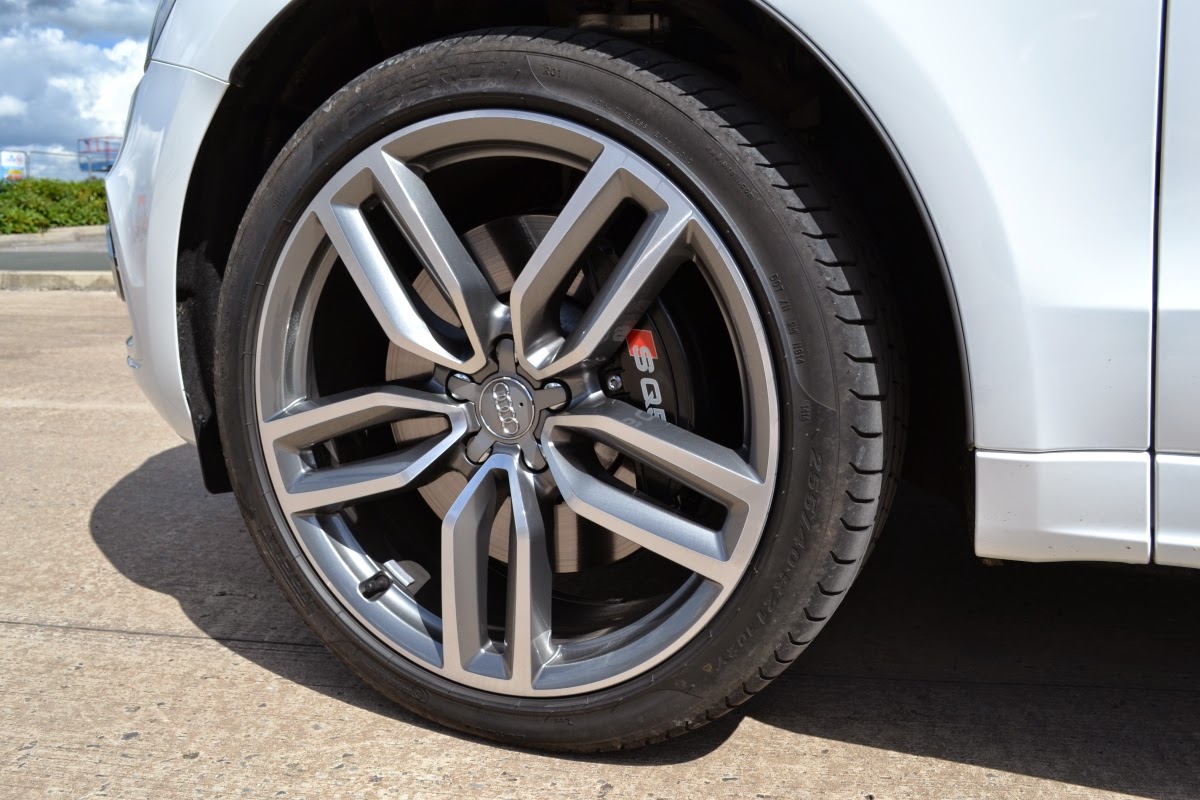
The first thing that hits you about its looks, beyond the bright paintwork, is the optional 21 inch twin spoke 'star' design alloys. The wheels are two tone and heavily sculptured, noticeably more when you get up close (when I cleaned them) and compliment the body colour well.

Externally they haven't gone overboard with extended arches and sharp creases but there are some nice touches over the lesser models.

First off is the signature S model aluminium effect mirrors which along with the lower suspension give a much more sleeker look than the standard Q5's. The front features a heavily chromed grill while at the rear there's a roof spoiler, LED lights, rear diffuser and a quad tailpipes.

Overall the effect is well thought out. It's a handsome car and leaves some potential for an RS model in the future.

Things get even better when you open the door, Audi's legendary ability to make the superb interiors shines through as I climb up into the Lunar silver and black Nappa leather drivers seat. Even though it's physically lower than a stock Q5 the view out is still commanding.

The dash is well laid out with everything at easy reach and finished off classily with piano black and silver highlights.

I found the driving position to be more comfort orientated than out and out sports car and would prefer more lateral support in the front seats of this S model. The steering wheel extends out and up sufficiently to suit most drivers so is easy to get comfortable. The transmission tunnel eats into the drivers left foot space as the engine is longitudinal mounted with a large auto box. You get used to it after a day or two but at first it feels a little alien.

When you first start the engine up it makes a surprisingly good noise. I expected the usual diesel clatter and bassy dullness at idle you get with a standard oil burner but it sounds quite good, almost undieselly.

On the go and the engine proves itself as a smooth but perky unit riding on a wave of torque from even lower revs, the interface between the small turbo and larger turbo fairly seamless but you can feel a definite abundance of power from just over 3,500 revs.
Audi SQ5

The noise throughout the rev range is very beefy, almost powerboat like in sound and the result of an actuator located in the exhaust system. Whatever it is it does a fantastic job of making this diesel SUV sound like a performance car.

It's almost comical the way it accelerates when in the fairly narrow powerband between 3,500 and 5,000 revs but once there it pulls relentlessly. Using Sport mode on the tiptronic box (pull back further after original selection) it retains lower gears to keep the revs high which makes for some very rapid progress making use of the larger turbo only at these revs.

The beauty of this unit is that you can simply knock it from Dynamic mode back to Auto or Comfort and it returns to a smooth but also torquey motor making a cracking everyday luxury car.

The chassis is extremely grippy helped no doubt by the all wheel drive but there is a fair degree of roll when pressing on. When you turn the wheel you sense the car pitch a little. To be fair I haven't driven another SUV that can ride quite like a sports saloon, the extra height is always going to be an issue and short of installing very hard suspension and low profile tyres giving a bone jarring ride the SQ5 is a good compromise.

Don't get me wrong it's very competent performer and as a benefit of the huge tyres and excellent damping it is a car that rides comfortably and securely. On my way home from work there is a large bump in the road on a slight corner which is a good test of a cars competence at around 60mph. The SQ5 took it in its stride at full throttle and it simply rode it like it wasn't there, just a raise in cabin height and then down again with no correction required to the steering.

Surprisingly the brakes, despite being nothing special in specification, coped admirably over the week. It's a difficult job keeping a near 2 tonne SUV with a powerful engine and keen driver in check but they did. The modulation was excellent and not once did I want for more stopping power.

The quoted average fuel consumption figure is 41.5mpg, which was never going to be achieved the way I drove the car through the week, with the computer registering 25mpg. I can see the quoted figure being achievable when driven softly as it has all the systems required to aid fuel economy. One such example is the stop start which takes a while to turn over the big V6 and as you start off utilising the smaller turbo only lower rev power is slightly wanting so exiting busy junctions can be a little intimidating.

Something terribly clever has been done to the way the car rolls without engine power, maybe it's the transmission disconnecting, the sleek body styling or the low drag tyres but when you back off the throttle it retains speed for an eerily long time almost as is if it has magic wheel bearings with zero friction.

Spending a week with a car lets you really get inside its head and it's been an absolute pleasure with the SQ5.

The interior is a special place to be and provides a good space for the occupants along with a full size boot capable of swallowing enough luggage for a family of five. The rear seat deserves a special mention as it can accommodate a child seat either side on a flat base to keep the seats stable and an adult in the middle in comfort. Alternatively it will happily accommodate 3 adults with plenty of legroom with the backrests adjustable for angle.
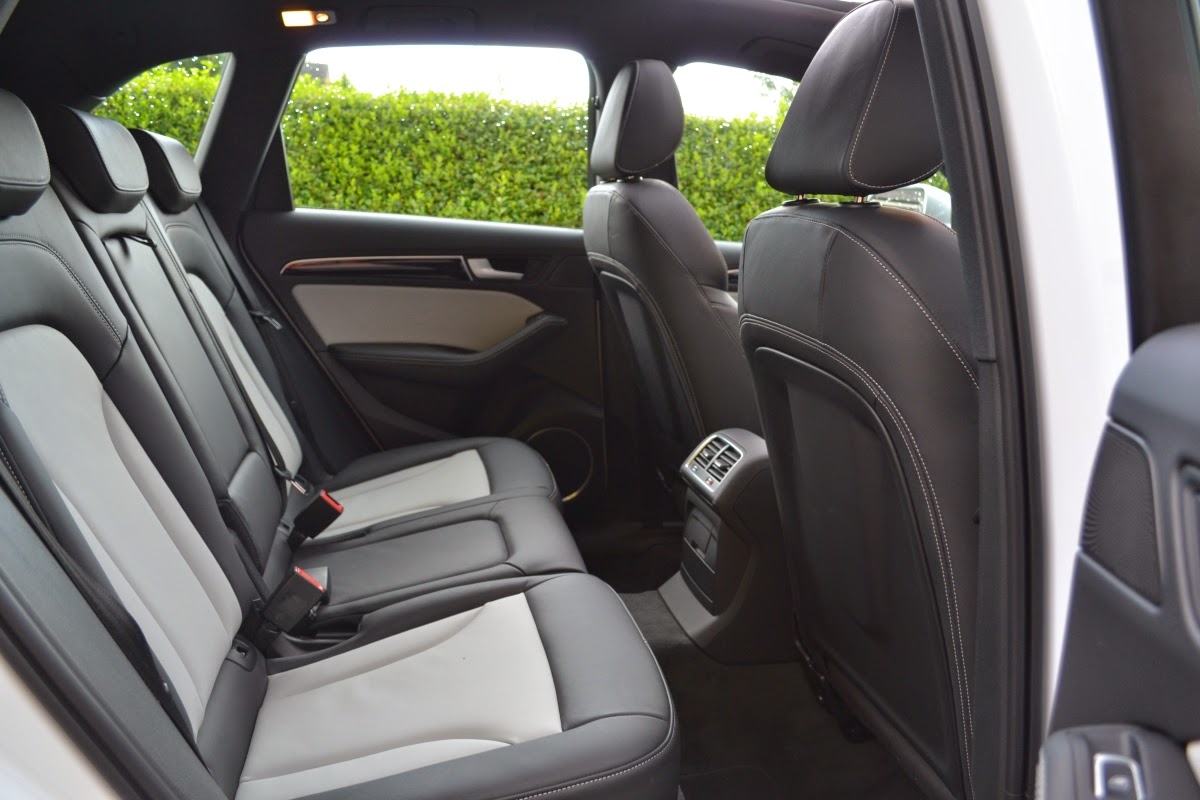
Audi SQ5

The rear seats can also be lowered to take large loads either by standing by the boot area or by the rear doors both by a remote folding mechanism.

The electric boot release and closure was a gimmick at first but proved a boon when out shopping and with your hands full, simply pop the button on the fob and it lifts up, press the button on the fob or tailgate and it shuts again.

There's are plenty of storage spaces within the car, each door swallows a drinks bottle and few pairs of sunglasses, there are two cupholders in the front and two in the back, a large glovebox and a large compartment under the armrest.

This being a media car it was fully loaded and as tested was just over £52k but it had pretty much everything bar a kitchen sink.

Bower and Wilkins supplied the optional Hifi componentry with 14 individual speakers and 500 watts of power and the results are epic, in conjunction with the DVD player it puts you in the movie itself. Sadly you can't watch films on the move but you can listen to them and even at full volume it provides crystal clear sounds with spine tingling bass.

DAB radio proved excellent through the week, the sound was crystal clear pretty much everywhere I drove which is a bonus as coverage near me is pretty poor.

The full length sunroof made the interior light and airy, a cloth blind could be retracted at the touch of a button and another user friendly rotary switch powered back half of the full length glass roof.

Options aside the SQ5 is a very talented car with an opulent spacious interior and powerful yet efficient powerplant. But is it worthy of the S car title?
Audi SQ5

In some area it excels and in some areas it falls short.

For example when the large turbo kicks in the wave of torque is monstrous and hugely addictive so speed is never left wanting.

The gearbox is fast acting and in Sport mode keeps the engine in its sweet spot so you are don't experience turbo lag.

The lower and sleeker looks tick all the right boxes.

The brakes are good and the handling is competent but not quite as a true S car should be. The issue comes down to the physics of an SUV in its height and weight so it's never going to be a ballet dancer but it is compliant and composed, just not dainty.

Overall though I think they pulled it off and it deserves to wear the S badge.

The S package has made the SQ5 almost peerless, a high performance diesel SUV with a luxury interior.

BMW are hottest on its heels with the X3 and X5 with the Q5 sitting in between them in terms of size. The X5 is a little heavy and expensive to be a true rival and only the £45k X3 35d MSport can get close to the performance of the SQ5 but even then the looks and luxury feel are a long way off.

The other Volkswagen group cars don't really come near either but are closer in size than either BMW. The VW Toureg needs a £62k V8 Diesel to get close to the Audi's performance but even that is slower and Porsche's similarly priced Macan Diesel only gets the poverty spec 254bhp diesel so is left at the lights by the SQ5.

With my own cash in hand in this sector it would almost certainly go toward the S Audi.

Stats


Price - £44,725 (£52,285 as tested)
Engine - 3.0 litre, V6, single (2 stage) turbocharged, diesel
Transmission - 8-speed twin clutch sport auto
Drive - permanent 4 wheel drive with self-locking centre diff
0-60mph - 5.1 seconds
Top speed - 155 mph (limited)
Power - 308 bhp
Torque - 479 lb ft
Economy - 41.5mpg (combined)
CO2 - 179 g/km
Kerb weight - 1,920 kg
Audi SQ5

Audi SQ5

Audi SQ5

Audi SQ5

Audi SQ5


3 Sept 2014

2015 Land Rover Discovery Sport - Specs, Images And Prices

This is the 2015 Land Rover Discovery Sport which will replace the Freelander

2015 Land Rover Discovery Sport
2015 Land Rover Discovery Sport 

It's named Discovery to create a distinct division in the Land Rover ranks between luxury (Range Rover) and utility but still quite luxurious (Discovery).

Land Rover calls it a "premium compact SUV" which means it's a similar size to the Macan, XC60 and Q5 but, unlike those, it's a 7-seater.

The Discovery Sport has been designed as both a capable off road car and a well mannered road car.  At the rear is a new multi-link axle which allows for decent driving dynamics but also increased interior space, which is why it's offered as a 7-seater.

It also comes with a raft of safety features including autonomous braking, a steel and aluminium body shell and pedestrian airbag.

The engine available from launch is not from the new range that Jaguar Land Rover is developing, instead the Discovery Sport gets the 2.2 litre SD4 that's already in the Evoque.  A 9-speed automatic or 6-speed manual transmission will be available.

The car weighs 1,817kg which is 50kg less than a BMW M4 convertible.  Jaguar Land Rover's use of aluminium is paying dividends.

As a styling exercise the Discovery Sport certainly works, and it should end up selling more than the humdrum looking Freelander. It's taken design cues from the awkward looking Discovery Vision concept and successfully integrated them into a handsome package.

And handsome is what Land Rover needs.  The Evoque may be a big seller but it is a bit feminine for rufty tufty types who want a mid-size Landie but don't want to buy into the whole Victoria Beckham thing.

The new Land Rover Discovery Sport SD4 will be on sale from January 2015 and will cost £32,395. A version with the new ED4 engine will be available later in 2015 and will cost under £30,000.
2015 Land Rover Discovery Sport

2015 Land Rover Discovery Sport

2015 Land Rover Discovery Sport

2015 Land Rover Discovery Sport

2015 Land Rover Discovery Sport

2015 Land Rover Discovery Sport

2015 Land Rover Discovery Sport

2015 Land Rover Discovery Sport

2015 Land Rover Discovery Sport

2015 Land Rover Discovery Sport

2015 Land Rover Discovery Sport

2015 Land Rover Discovery Sport

2015 Land Rover Discovery Sport

By Matt Hubbard