Showing posts with label Chevrolet. Show all posts

24 Feb 2015

Driving Five Classic Cars In One Day

Recently I attended a classic car rally with of Great Escape Cars where I got to drive five bone-fide classics in one day


I've hired a car from Great Escape classic cars before. It was a 1971 Jaguar E-Type Series 3 V12 convertible and was huge fun to drive over a 24 hour period. This time out I was to spend a day with their fleet of classic motors, driving five olde English (and American and Italian) beauties.

At 9am on a cold but clear winter's day 25 of us arrived at Great Escape's Cotswold base. There were 25 cars available and to save arguing it was decreed that the choice of car would be decided by picking them from a hat - well, actually a hub cap.

Graham Eason, owner of Great Escapes, talked us through the various cars available for the day. The final one was a 1981 Austin Allegro 1.1. Graham had included it because it made for a good talking point, and because I think he secretly has a soft spot for it and hoped some of us would too.

I hoped it wouldn't be on the card as I reached into the hubcap. I'd brought my son, Eddie, along for the day and he wouldn't be too impressed if dad got the Allegro!

Eddie hadn't wanted to go with me, saying it would be boring just driving cars all day. Unlike his dad he isn't a petrolhead but he cheered up a bit when I showed him what car would be our first drive. No, not the Allegro but a 1983 Audi Quattro. Fabulous.

The air wasfilled with white smoke as 25 classics were fired up all at once in the morning chill. Rumbling V8s, shrill V12s, smooth inline-6s, a few inline-4s and my own turbocharged 2.1 Audi.

The Quattro's interior was clad in luscious, almost tiger-stripe, material that shows its age much more than the sharp, boxy exterior that still looks fab today. The engine is eager once the turbo has kicked in and whistles excitedly when the throttle is pressed hard.

What made it successful in its day, as well as those looks, are its handling and grip and the one I drove was still sharp round corners, although the brakes took some getting used to.

Eddie enjoyed that drive and took more of an interest in the fleet when we stopped at a cafe atop a hill, with a glorious view of the Cotswolds.

After tea and cake Graham once more flourished his hubcap and I picked a bright blue 1976 MGB convertible replete with 1.8 litre flat-4 with not many horsepowers at all.

The hood stayed down and we set off, following another car as Eddie's map reading skills are not up to much. Yes, the Great Escape's old school adage filters right down to using maps instead of satnav. Much more satisfying and in this day and age I rediscovered that getting lost really can add to the experience.

The MGB's interior was much more basic than the Audi's. So too was the engine and gearbox. With a crunch as I selected reverse instead of first (not for the last time) we were away.

This time Eddie's face really lit up. He's been a passenger in more than a few powerful and expensive cars but we had real fun for that hour in the humble MGB. Mind you we were getting seriously cold towards towards the end. We wished we'd brought some gloves and hats.

Lunch was held at a posh hotel after which Graham once again brought out the hubcap. Eddie had his sights set on a 1980 Corvette C3 in white but with a bright red interior and whilst I waited patiently he ran round the back and asked if we could drive it.

Triumphant he waved the Corvette card at me and we clambered in. White is perhaps my least favourite car colour but the Corvette in white looks sensational. Climb inside and those razor sharp lines around the front wheel arches look a million dollars.

The cabin is a snug fit but extremely comfortable. Despite being from the early 80s it was fitted with all the mod cons you'd expect from a car today - except for a touch screen. Electric seats, mirrors and windows, cruise control, air conditioning and, as a bonus, flip up headlights.

The Corvette's piece de resistance is its V8 which sounds deep and raw. This doesn't really translate into vast reserves of power but it does ride along well on a swell of torque, which is a good job because the 3-speed auto doesn't change down from 3rd unless you press the throttle really hard.

We had set off with the targa roof panels in the boot and the wind in our hair but after 30 minutes big lumps of hail started to come down. It took about 2 minutes to suss out how they fitted and to lock them into place.

Glad we weren't in the MG any more we set off once again. The hail was coming down in huge volumes and pretty soon the roads were very slippery. The Corvette is confidence inspiring and has light controls but as we drove up a steep hill at 20mph the rear wheels slipped and slid, although it did keep going to the top.

Half an hour later we stopped in a lay-by to drive car number four. The rally was running late so instead of the hubcap we merely swapped cars and jumped into a 1992 Alfa Romeo Spider.

Hail had turned to rain so we kept the hood up and set off. I'm not much of an Alfa fan and the Spider confirmed my prejudice. The switchgear is all over the place and the driving position odd but the car we drove was well maintained and reliable so if Alfas are your thing you'll enjoy a spin in it. I sort of did.

The day's final car was a 1965 Jaguar Mk2 3.4 (not the Allegro - yay!). This was the oldest car we'd driven. The interior is timeless and classic with bakelite switches, proper wood panelling, comfortable seats and the thinnest rimmed steering wheel I've ever experienced.

The Mk2 was smooth and the pace was lazy. It doesn't like being hurried. You just cruise around and soak up the atmosphere. Mind you the steering isn't that tight so you do have to keep your wits about you.

And so we arrived back at the base, bade our goodbyes and thank yous and left. Eddie had had a wonderful day and loved the variety of experiences.  He might not be a petrolhead but he does now have a soft spot for old cars, and the Corvette in particular.

So do I. I got in my modern TT and the steering wheel felt weirdly fat and the controls light as a feather.  Classic cars might be great fun but you really do have to drive them with due respect, and that makes you a better driver.


By Matt Hubbard


8 Jun 2014

How To Buy A Supercar For £10,000

For ten grand you can buy a brand new Skoda Citigo, Dacia Sandero or MG3.  But that would be very boring.  For ten grand you can also buy a supercar.  Here's how.


First things first, the above cars will come with warranties, servicing will be cheap and they'll generally be economical and reliable.  If you buy a supercar parts will be expensive, they'll drink fuel and your insurance payments will rocket.  But who cares if you've got a car in your drive that transports your soul to a better place as well as your shopping back from the supermarket.

Maserati 3200

Maserati 3200

Let's start with something Italian and exotic.  You can buy an early 2000s Maserati 3200 with 100k on the clock, a full service history and in good condition for a shade under £10k.  History is crucial and even then if it goes wrong it'll cost a fortune to put right and your local garage won't touch it.  But with 370bhp, four luxuriously appointed leather seats, a shape to die for and the fact it is a Maserati you just would wouldn't you.

BMW 8-series

BMW 840 Ci

Built as BMW's flagship car the 8-series was a super sexy supercar for the 80s.  You can pick up a top notch 840 Ci for about £7k.  Go for the later 4.4 litre V8 from the late 90s and it'll be one of the most reliable and useable cars on this list.  If you're feeling a bit mad you can pick up a super smooth V12 850 Ci for similar money.  Check out this review of an 840Ci by Scrof.

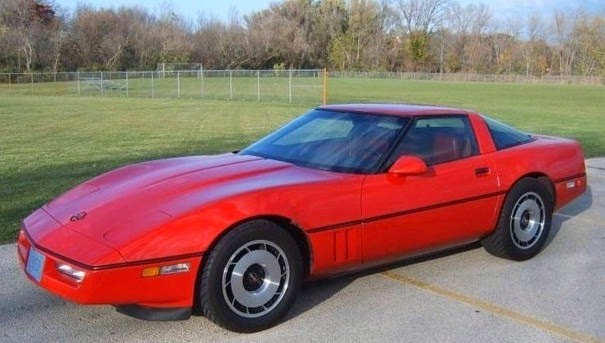
Chevrolet Corvette C4

Chevrolet Corvette C4

Ford Mustangs are muscle cars, Chevrolet Corvettes are supercars.  Suggest otherwise to any American car enthusiast and you'll be told you don't know your Citroen C4 from your Corvette C4.  For under £10k you can buy a late 80s C4, one of the best looking Corvettes.  It might be an 80s car but it doesn't look it.  There'll be a full fat 5.7 litre V8 stuffed under the bonnet and plastic body panels which won't rust.  Full service history is a must and if it's lived most of its life in the US chassis rust shouldn't be a problem.  It'll also be left hand drive.

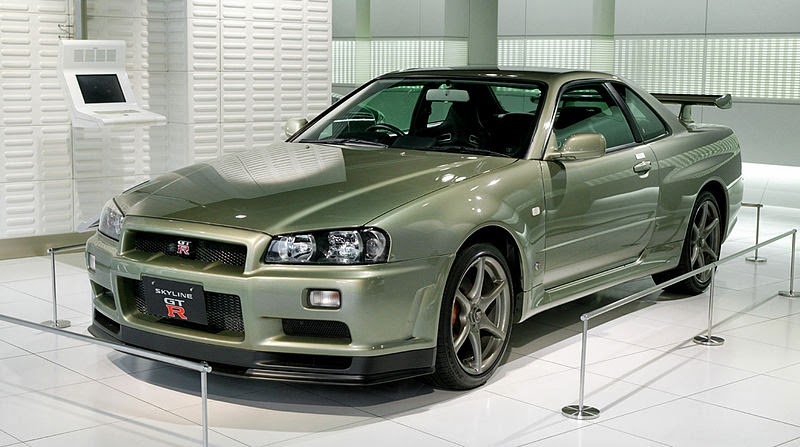
Nissan Skyline R34

Nissan Skyline R34

From American to Japanese, the Skyline is the connoisseurs Japanese supercar - for sensible money.  Ten grand buys an R34 from the late 90s.  This model is the first modern looking Skyline (or GT-R as they're known now) which still looks good today.  Most have been tuned or modded but as long as previous owners have looked after them reliability should be fine. If the shape doesn't do it for you then the performance will - a lightly modified Skyline will be faster, and probably more reliable, than anything else in this list.

Mercedes SL 55 AMG

Jeremy Clarkson's Mercedes SL 55 AMG

When Jeremy Clarkson sold his Ferrari 355 he bought a Mercedes SL 55 AMG because it was more relaxing than the Ferrari and could "monster" it in performance terms.  Ten grand buys an early 2000s, 500bhp, 5.4 litre, V8 chunk of AMG's finest with full service history.  Mercedes reckoned that the SL 55 AMG could reach 208mph if it wasn't restricted to 155mph.  It looks pretty special too.

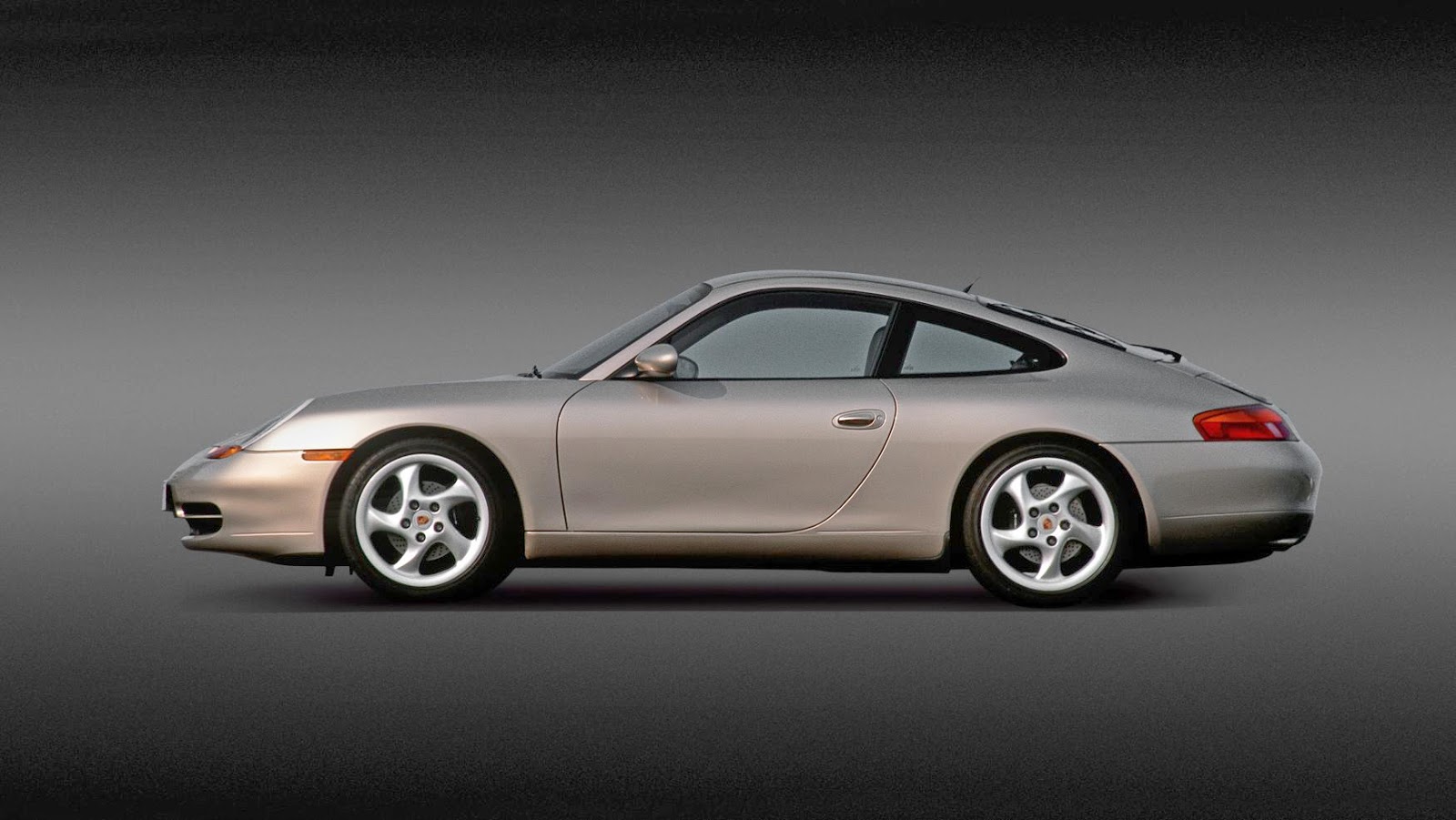
Porsche 911

Porsche 911

No list of supercars on a budget would be complete without a Porsche 911.  For £10k there's only one model - the 996. Derided by some as it was the first of the water-cooled 911s the 996 is also a modern, relatively reliable performance car that's universally recognised. It also has bags of character.    For the budget it is best to buy as new as possible, and with full Porsche dealer and specialist service history.  You'll get a 320bhp, 3.4 litre flat-6 engine and bags of kudos.

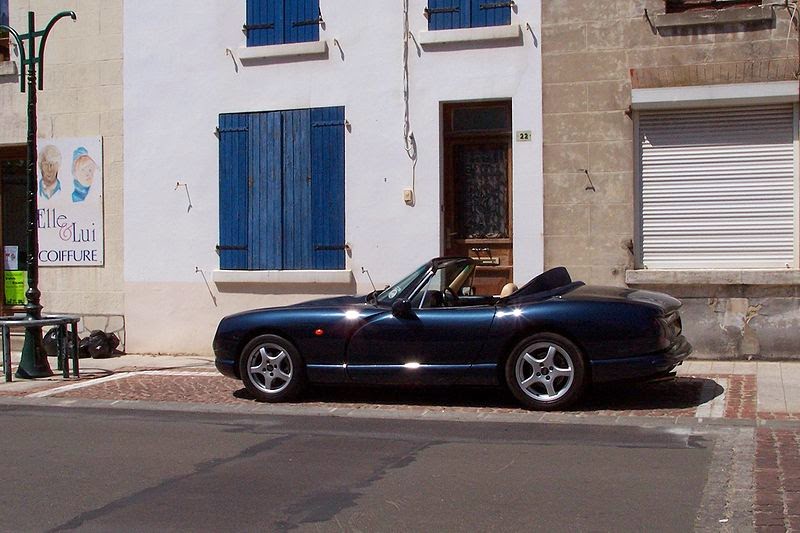
TVR Chimaera

TVR Chimaera

The last of our budget super cars is a British bruiser from Blackpool's finest - TVR.  The Chimaera existed from 1992 to 2003 and you really need to buy on condition and how well it's been cared for as much as anything else.  Engines range from 4 to 5 litres and all are V8s.  The Chimaera is light as its body is formed from fibreglass panels, but don't let that fool you if you're looking at one.  TVR chassis' can rust even though the car looks fine so take a look underneath even if the car looks in great condition.

By Matt Hubbard


22 May 2014

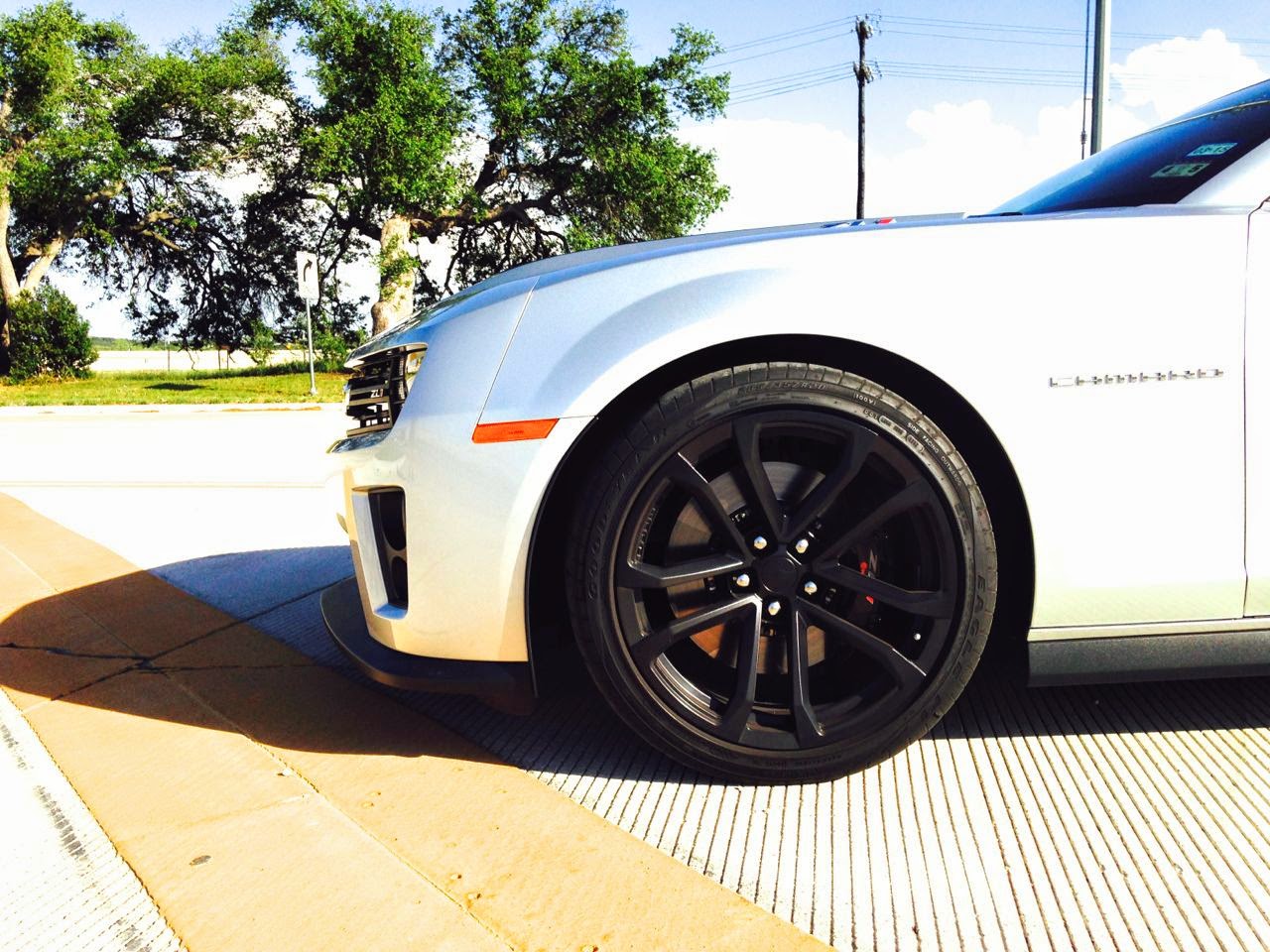
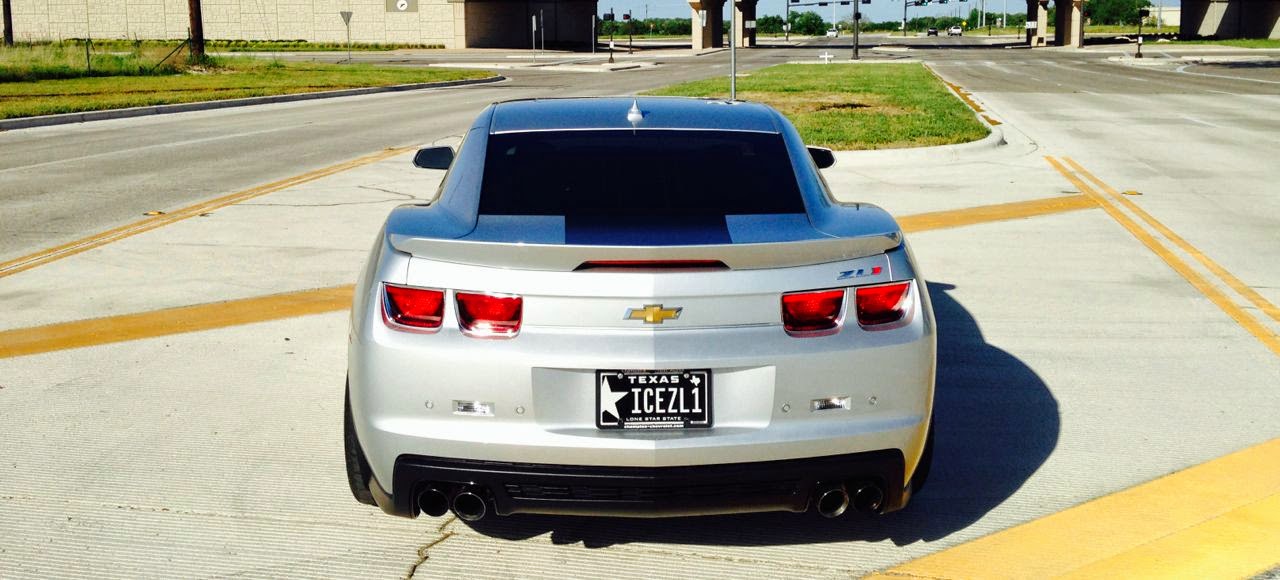
The 630hp Chevrolet Camaro ZL1

Ayan Basu of Torque Affair takes a look at a nitrous boosted Chevy Camaro


If you're like me, you might look at a car like the Camaro ZL1 that produces 580 hp and think that it has plenty of power. But not Kyle.


He must have a car that's faster with more horsepower! The reason? He loves to drag race.

Kyle's goal is to make his Camaro a 10 second quarter mile car. In order to make your mark in the drag racing world, you must hit 130 mph before you get to the quarter mile marker. Although to most of us a stock ZL1 would be blisteringly fast, to drag racers like Kyle, the car must be much faster off the line to be competitive.


Kyle has added a nitrous kit which adds over 630 rear wheel hp. He is planning on making more modifications so that his car produces over 700 rear wheel hp. The car is not small so it will take loads of power to get it to reach the speed that Kyle wants it to.


However, the ZL1 proves that American cars are not just about straight line power anymore. This one has tons of sensors and technology that helps the car log in a faster time than the Audi R8 and 2010 Porsche 911 Turbo S at the Nurburgring track. This is one of the best Camaros that GM has built to date. With the ZL1, Kyle will not only be king of the drag strip but also be able to hang with the best on road courses. Kyle is definitely looking forward to seeing what this car is capable of out at our local track, the Circuit of the Americas, in Austin, Texas.

Kyle's Camaro ZL1 contains all the latest and greatest technology that GM has come up with. Along with Magnetic Ride Control and various other sensors and features built into the car, the ZL1 has what it takes to compete with the best supercars. The beauty of Magnetic Ride Control is that the suspension is dynamically adjusted continually - that is what enables the suspension to be suited perfectly for both normal daily driving as well as racing on the track.


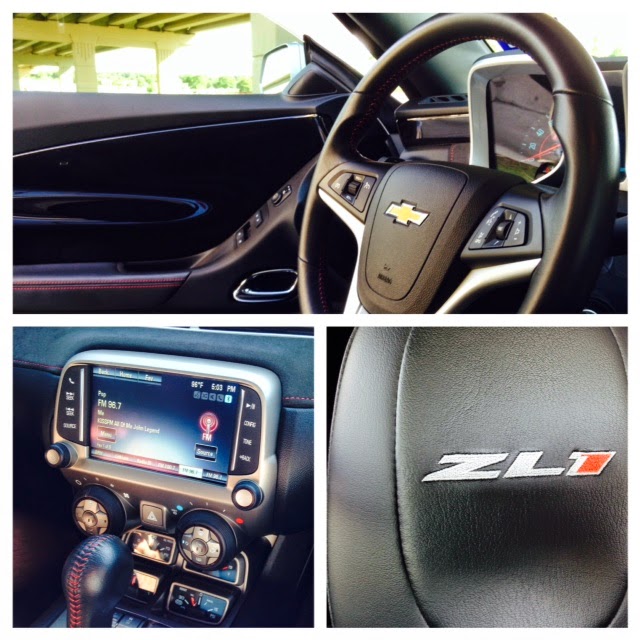
The interior is nicely appointed as well - there are touches of luxury throughout and the seats are quite comfortable. American cars have come a long way and the quality of interior materials is much better than what it used to be. The difference between the interior of the ZL1 vs. my old 1997 Pontiac Grand Prix is night and day. The latest offerings from Chrysler, GM and Ford all have interiors that are a huge step up from previous models.

The coolest thing about the car is the supercharger on the massive 6.2L V8. The roar of the V8 combined with the supercharger whine is intoxicating. Check out the video below.


I'm not sure how Kyle can drive this car around without flooring it every chance he gets. The car is begging you to push it. Can you imagine driving it with nitrous? That would be insanity...

The Camaro ZL1 seems to be such a bargain for what you're getting. You can actually get supercar level performance without having to pay so much money that you have no choice but to live with your parents.

The best thing about this car is that it's rare. You don't see this car around every day so you truly feel like it's something special. And it really is.


5 Dec 2013

GM dropping Chevrolet in Europe

Reuters reports that the Chevrolet brand is being dropped in Europe in order to focus on Vauxhall and Opel.


Chevrolet Europe sells Korean cars that compete directly with Vauxhall.  The Trax, for example is a rebranded Mokka that retails for £1k below the equivalent Mokka.

Chevrolet was a once-proud brand that sold muscle cars in the US.  The march into Europe by buying Daewoo and relabelling the cars as Chevys hasn't been a success.  Unsurprisingly.

Volkswagen is able to sell Skodas and Seats alongside VWs because the brands are all strong and with individual identities.  General Motors tried to do something similar with Chevrolet, but Vauxhall and Opel weren't strong enough to cope with their own sibling nibbling away at sales.

Something had to give and thankfully that something was Chevrolet.

The pity is that the Corvette Stingray and Camaro, which are proper US Chevrolets (although the Camaro is built in Canada), may be the babies thrown out with the bathwater.  These are the only Chevrolets we actually want.

The fact that this has been announced on the day that Ford launches its Mustang for the world shows the calamity it really is.

Ford already learned its lesson by trying to sell rebranded Fords as Jaguars, which didn't work.

Chevrolet Camaro review

By Matt Hubbard


17 Nov 2013

Catch-up Corner - Mercedes SLS Final Edition, a racing Elise, the Peugeot RCZ R and a cheapo Chevrolet

Each week Graham King rounds up some bits of news you might have missed

The Mercedes SLS is no more

The madness had to end at some point and that end is now nigh. After four brief but glorious years, Mercedes will end production of the bonkers SLS AMG next year. No more will we see those fabulously over-the-top gullwing doors, hear the ferocious bellow of the mental V8 engine or witness the ridiculously oversteery handling. Actually, we will - a replacement is on the way and should be more of the same.

In the meantime, Mercedes has announced a 350-off Final Edition run-out model. It’s based on the SLS AMG GT so has 591bhp, a 0-62mph time of 3.7secs and a top speed of 199mph. Which is plenty. It comes in both Coupe and Roadster forms, adding yet more variations to a theme that includes the Black Series, an electric version and the hugely successful GT3 race car. The Final Edition will be officially unveiled at the Tokyo/LA shows later this month.

Lotus launches turn-key racing Elise

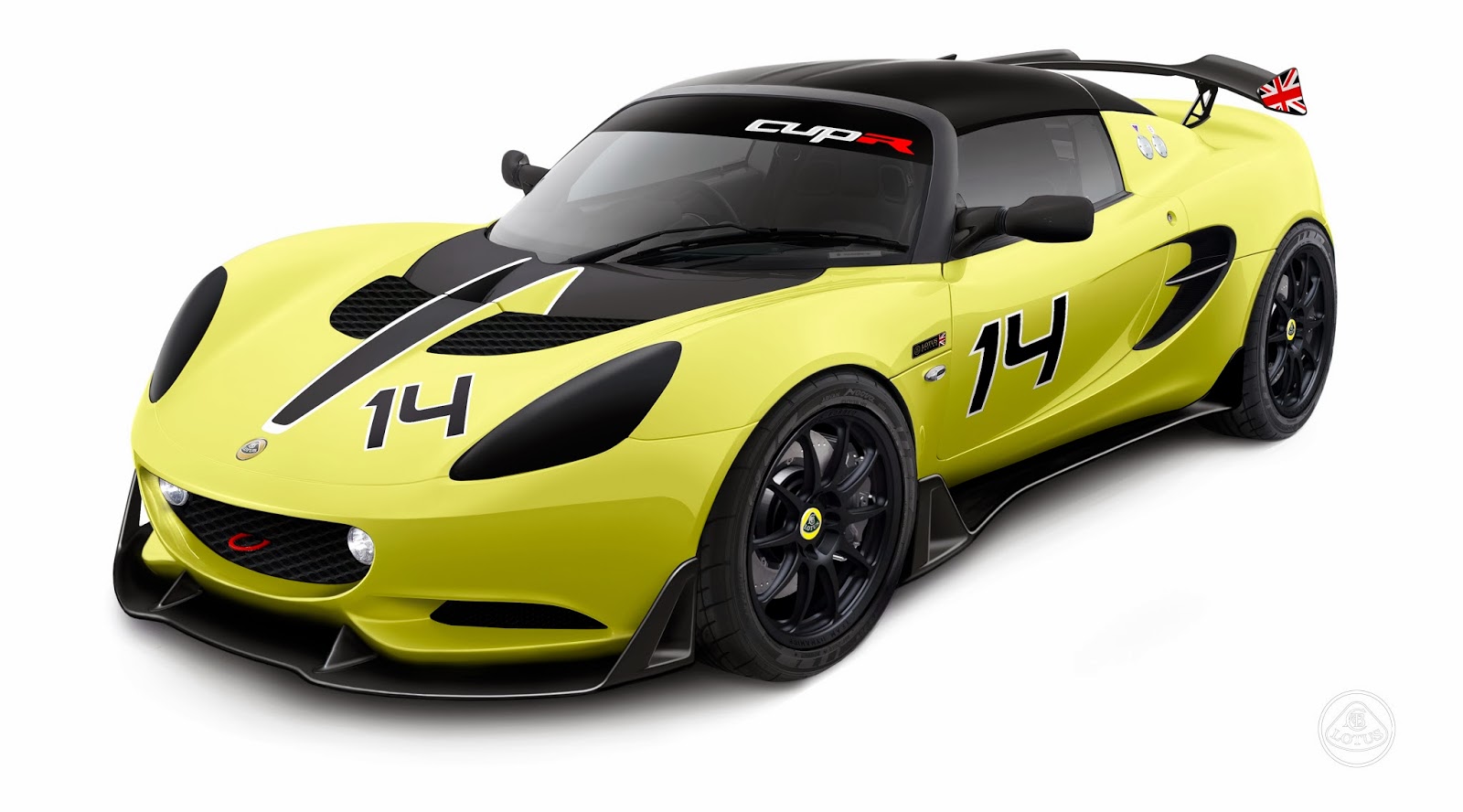
Want to go racing in a Lotus Elise but don’t want the hassle of having to build your own car? Well, you’re in luck as Lotus Motorsport will now sell you an Elise S Cup R. As the name suggests, it’s based on the 1.8-litre, supercharged Elise S and has been massaged a bit to make it work on the track.

The engine’s output remains unchanged at 217bhp and 181lb/ft, but a new ECU gives it more track-appropriate performance. Adjustable springs and dampers give more focussed handling, while the aerodynamic bodykit produces real downforce. And despite all the FIA-spec safety gear, weight is kept down to a suitably lean 924kg. The whole package results in a car some 1.2secs per kilometer faster than the road-going version.

The Elise S Cup R is eligible for the Lotus Cup UK racing series and costs just £39,125+VAT. But that doesn’t include the cost of running it. Still, it’s not much money for a pretty serious racing car.

Peugeot builds a car you might actually want

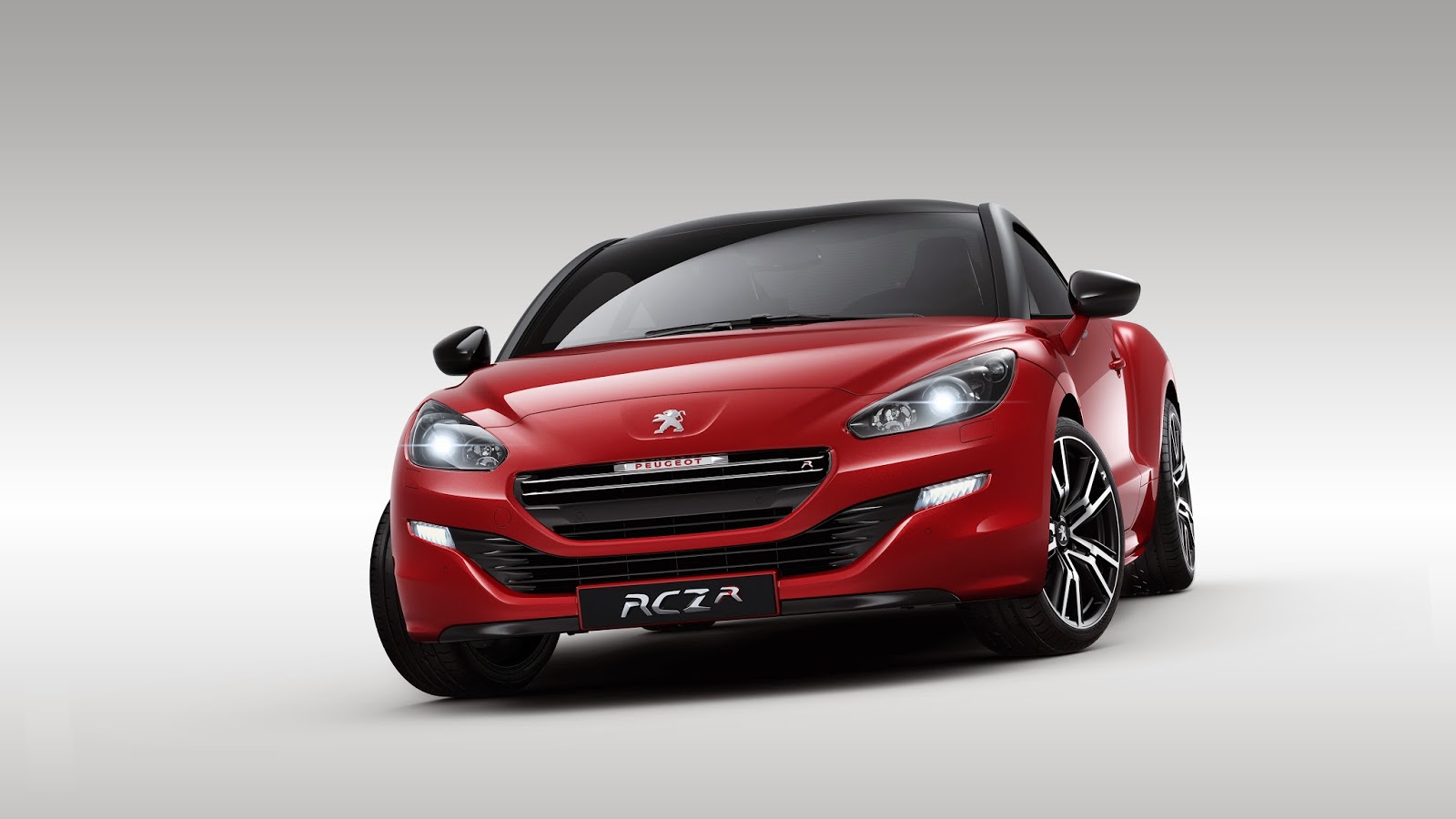
After what seems like years of rumours Peugeot has finally launched the RCZ R, the scorching-hot version of its buxom coupe. The main headline behind the RCZ R is its power figure: 270bhp. That’s similar to the Megane RS and Astra VXR, but Peugeot have extracted that number from just 1.6-litres. Which is astonishing.

There’s some heavy-duty engineering in the, er, engine to achieve that 270bhp. At the top there’s F1-grade forged Mahle pistons and an increased compression ratio of 9.2:1. Lower down there’s uprated con-rods with polymer-coated bearings that can withstand higher temperatures. Add in a new twin-scroll turbocharger and larger intercooler and the boffins at Peugeot Motorsport have liberated 168.96bhp per litre.

The power is reined in by a stronger clutch and a proper Torsen diff. Widened track front and rear, stiffer suspension and Goodyear Eagle F1-shod 19-inch wheels improve the handling. 0-62mph takes 5.9secs and top speed is a limited 155mph.

I drove the 200bhp RCZ earlier this year and loved it. It was plenty powerful enough and the chassis felt tenacious and stable. And it looks gorgeous. The RCZ R should be even more fun and I want to find out if it is quite badly. The only potential problem is the price: £31,995. Which is a lot next to the aforementioned Megane and Astra and a helluva lot for a Peugeot. But it’s still the first Pug since the 306 GTi-6 that I actually want.

Chevrolet TRAX auctioned off for charity

I would normally ignore this story, but it tickled me. This Manchester United edition TRAX was sold on eBay, the funds going to Man U’s Ability Counts programme that helps people with disabilities get involved in playing/coaching football. All very laudable. Why was I tickled? Well, this brand-new, high-spec TRAX signed by the Man U team sold for £14,301. The cheapest TRAX retails at £15,495. Draw your own conclusions. I will point out there are just 78 TRAXes(?) listed on HowManyLeft. There’s several thousand of its Vauxhall Mokka cousin.

Article by Graham King

8 Oct 2013

2013 Chevrolet Camaro first drive review

Matt Hubbard reviews the 2013 Chevrolet Camaro

2013 Chevrolet Camaro

I recently attended an industry driving day, organised by the SMMT (Society for Motor Manufacturers and Traders).  There were cars from almost every manufacturer to test for half an hour each.

The event was held at a posh hotel in Hampshire.  I arrived to see, either side of the hotel's entrance, a £167,000 Bentley Continental GT Speed and a bright yellow £35,000 Chevrolet Camaro.

My son would have disowned me if I hadn't driven Bumblebee.  The Bentley could wait (I did get to drive it later in the day, thankfully).

The Camaro is stunning to look at.  A 2-door, 4-seat coupe from the old school - but that still looks great in 2013.  Long and low, square and wide with a power bulge in the bonnet and recessed grille and headlights.  This was designed to look great, not to reduce drag.

Inspect the car in its yellow-with-a-black-stripe finery and proportions just look right, even if they are far removed from the European or Japanese idea of a super-coupe.  Everything is squared off and sharp.  Bulges sit atop the wheels.  The glazed area is low, like it was created by a hot-rodder.
2013 Chevrolet Camaro

Climb inside and the steering wheel looks just like the one in the Camaro's European distant cousin, the Astra VXR - even though, on closer inspection, it isn't.

That stylish steering wheel is a portent for the rest of the interior.  Us Brits generally have the mindset that American cars look great, have huge amounts of power, handle like a barge and have terrible interiors.

The Camaro's interior is up there with the European manufacturers.  Plenty of leather, sensible layout, a touchscreen, lovely seats, a nod to Americana (even though it's made in Canada) with some dials under the heater controls.  It's a nice place to sit.
2013 Chevrolet Camaro

The engine sounds majestic, as you might imagine from a 6.2 litre V8.  It produces 432bhp and 419 lb ft of torque, driven through the rear wheels.  It weighs 1769kg and does 0-60mph in 5.2 seconds.

These figures aren't outrageous.  I've driven plenty of cars with a higher power to weight ratio.  Trouble is you sit on the wrong side of the car - on the left.  And it's a manual.  And visibility is terrible.  And its quite wide, at 1.9 metres.  And I was going to drive it on pokey English back roads.

I set off with a co-driver in the passenger seat, which turned out to be both a blessing and a curse.

The Camaro has a nice turn of speed, but changing gear with your right hand, whilst holding the wheel with your left, takes some getting used to.

It's naturally aspirated so delivery is linear and doesn't cease until 6000 rpm, and makes a great sound whilst doing it.  The chassis was better than I anticipated.  Steel bodied with multi-link suspension the Camaro is no slouch round corners, as well as in a straight line.

That's when you judge a corner properly.  I'm sure on track it's a hoot but on the road the lack of visibility and left hand drive adds a level of fear to the exhilaration of driving it.
2013 Chevrolet Camaro

I thought my road placement was OK - I was inches from the hedgrows to my left, whilst the co-driver was squealing, "We're on the white line," and, "Ooh, that was close."

The A-pillars are beefy, as they are on pretty much all new cars.  Some manufacturers, such as Volvo, twist the pillar so the driver sees the narrower edge.  Chevrolet haven't, so you see the wider profile.  This makes turning out of junctions 'interesting'.

Back to the road and we hit some back lanes.  The Camaro feels fine, and is great fun to drive.  It's pretty refined and that V8 makes for some great point and squirt action.  It would be a super-cool car to tour long distance - although the 20mpg consumption might get a bit tiring.

The gearbox is a 6-speed and works better with a smoother action than most European General Motors' gearboxes.  It's a sign that the clutch and gearbox are smooth and easy to use that I hardly took any notice of them as I threaded the Camaro between the hedges.

Come across another car on a back road and that driving position and lack of visibility come to light again.  You have to unlearn everything you thought you knew and relearn it, quickly.  I'm not the best in the world at parking manoeuvres but can judge distances at speed with a high degree of finesse.  In the Camaro I was slowing much more than usual just to make sure I didn't clip a wing mirror.  My co-driver appreciated that too.
2013 Chevrolet Camaro

The Chevy Camaro is quite an impractical proposition for UK buyers, but you would get used to sitting on the left and you would relearn to judge distances.  The 20mpg fuel consumption is pretty poor, but no worse than my old Audi S4 used to deliver.

But for £35k you'd be hard pressed to find another car with as much sheer force of character and, to utilise a cheesy old phrase, as many smiles per mile.

It looks great, its interior is good, its engine is fantastically grunty, people will stare in appreciation at you and little children will cry out "Bumblebee!"

You wouldn't buy a Camaro with your sensible head on.  You might consider one if you believe the competition is a little too staid and clinical.  A Boxster is £5k more, a VXR8 a full £10k more and a 428i M Sport costs the same.  You might consider any or all of these, or maybe an imported Mustang - but even that would cost £40k.

Most people wouldn't go for the Camaro, but some would.  The dynamic experience isn't vastly inferior  to European machinery and it's cheap for what you get.  If it were available in RHD it would sell a good few units a year but in LHD only it's destined to play a bit part on UK roads, which is a shame because, despite its flaws, I liked it a lot.

Article by Matt Hubbard


15 Sept 2013

Chevrolet Corvette Stingray C7 being readied for UK launch

American cars are big, heavy old beasts that handle like a canal barge, right?  Not the latest Corvette Stingray.

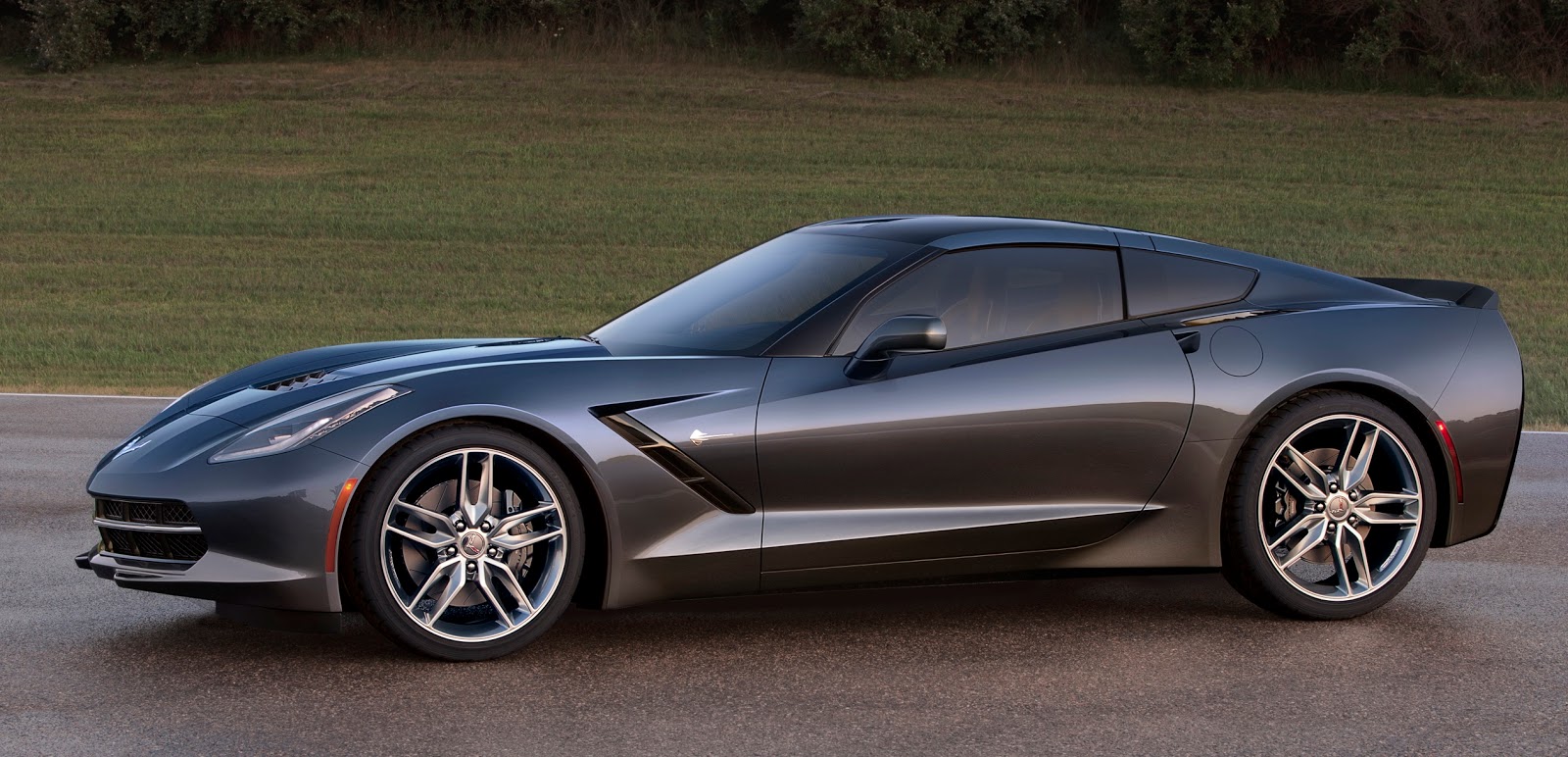
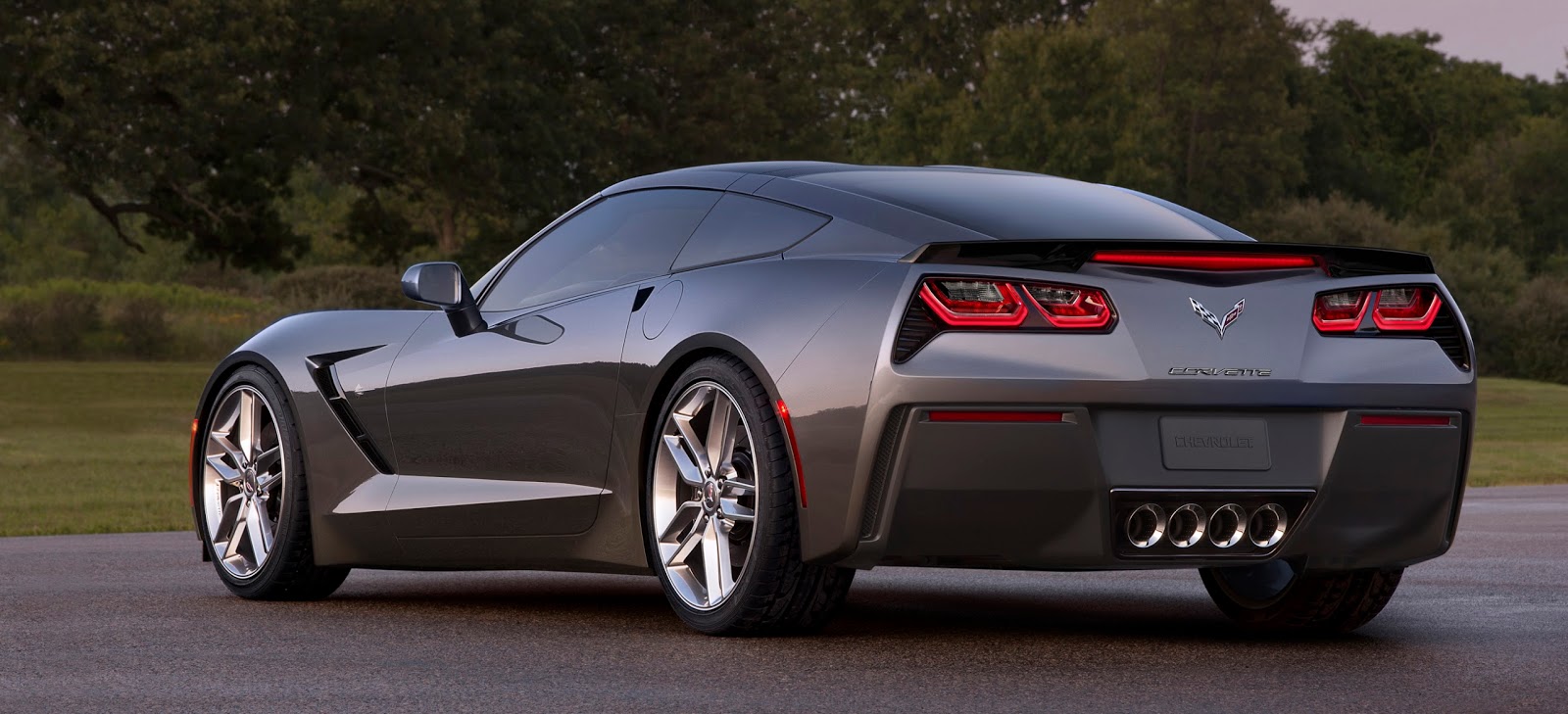
UK Chevrolet Corvette Stingray C7

The latest generation C7 Corvette Stingray weighs 1,499kg, has a 50:50 weight distribution and pumps out 460 hp and 465 lb-ft of torque from its 6.2 litre V8.  And its loaded with tech.

The Stingray coupe will be available in late 2013 at a cost of £61,495 and a convertible will be in the UK in early 2014 and will cost £64,495.

The car does 0-60mph in 4.2 seconds and can corner at up to 1g.  It gets a 7-speed manual gearbox with something called Active Rev Matching that....matches engine speed with the next anticipated gear.

The Corvette Stingray even has an eco mode that shuts 4 cylinders down when cruising.  This enables it to almost reach the heady heights of 30mpg.  For the first time a Corvette sits on an aluminium chassis which is 57% stiffer and 45kg lighter than the previous generation, C6, Corvette's.

In another Corvette first it comes with two eight inch screens from which you can access all sorts of modes and suspension and steering settings as well as the usual satnav and sound system gubbins.

Chevrolet are currently testing the Stingray at the Nurburgring as well as a variety of different European roads where Corvette will be tuned for Europe's bumpy, potholed roads.

The only downside to the C7 Chevrolet Corvette Stingray seems to be that it'll only be available in left hand drive.
UK Chevrolet Corvette Stingray C7

UK Chevrolet Corvette Stingray C7

UK Chevrolet Corvette Stingray C7

UK Chevrolet Corvette Stingray C7

UK Chevrolet Corvette Stingray C7

25 Jul 2013

Chevrolet Orlando - Driving Impressions by Josh Ross

Chevrolet Orlando 2.0 VCDI (163) LTZ Auto review by Josh Ross

Background and First Impressions

Glancing through Chevrolet’s collection of vehicles and running one’s eyes over their exciting designs and you could be forgiven for thinking that the marque is on something of a roll. Alongside highly competent vehicles like Aveo and Cruze that sit in the B and C segment Chevrolet has brought us the Orlando which occupies the Crossover class. This model is unique in the seven seat sector in combining the attributes of Sports Utility Vehicle (SUV) and Multi-Purpose Vehicle (MPV).

Traditionally buyers wanting a considerably sized cabin and heightened safety (both actual and perceived) would look to genre defining SUVs from Land Rover, BMW and Volvo. While Land Rover’s 1998 - 2004 Discovery did offer two pull down seats in its rear compartment their design often meant that adult passengers felt squeezed for head and shoulder room. The first SUV to offer two rear seats that fall independently into the boot floor to create a flat load space, and a middle row that folds and connects near seamlessly, was Volvo’s 2003 launched XC90. In 2004 Land Rover provided a similarly practical solution on their Discovery 3, continued to great affect in Discovery 4, while Audi’s 2006 debuting Q7 and BMW’s 2007 X5 also feature this brilliantly practical solution.

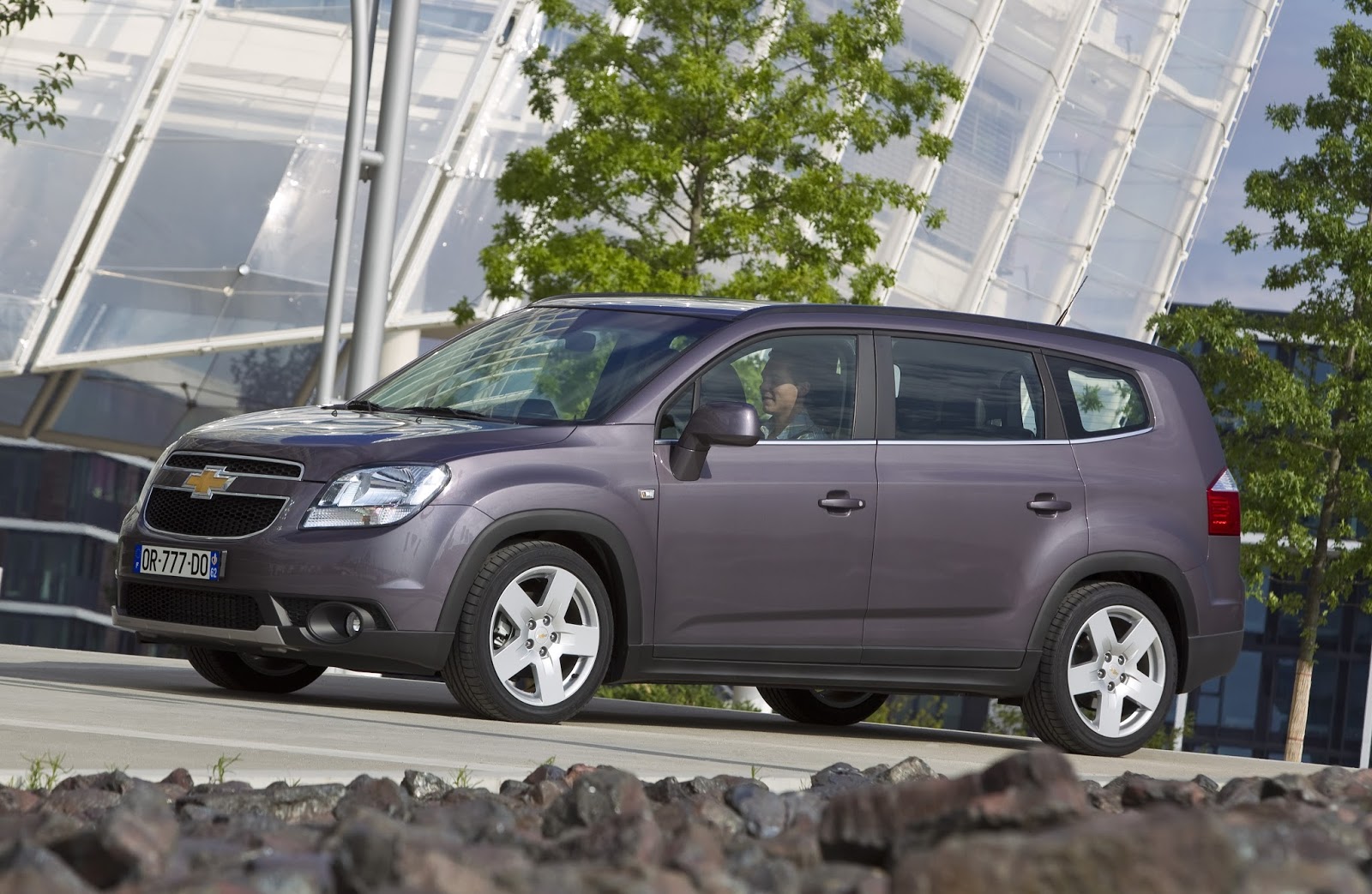
Like those Four Wheel Drive SUVs Chevrolet’s front wheel drive Orlando offers seven seats. So confident is Chevrolet in its segment defying Orlando that this interior feature is the only homage to these aforementioned vehicles. In design Orlando bears little resemblance to other vehicles. The visual impression is inimitably modern; imposing but not aggressive and broad without an overbearing angle from any of its four sides.

Chevrolet’s distinctive, mesh grille and dazzling gold logo are similar in this application to how they are on other vehicles in the brand family. This emphasises a consistent design theme. A cab forward stance, progressively rising waist line and flared wheel arches complete the Orlando’s emboldened exterior profile.
Like the version pictured the Orlando which I evaluated featured these sporty, five spoke 18″ alloy wheels. Sensibly all the wheel designs and sizes that Chevrolet has chosen for Orlando flatter the broad set body and gently bulging arches.

Inside Story

Standard Equipment on Test Model Includes:

- Electric Front and Rear Windows
- Electric Mirrors
- Alloy Wheels
- Climate Control
- RDS Radio and CD Player with MP3 connectivity
- Cruise Control
- Rear Parking Sensors
- ABS and Electronic Stability Programme (ESP)
- Split/Fold Rear Seat
- £2,200 Executive Pack was also added to the test car. This features: 18″ Alloy Wheels, black, heated leather seats and Satellite Navigation with Rear Parking Camera

Logically ordered switchgear, a high quality finish and decent construction characterise this successful Crossover interior. Cleverly the transmission tunnel is positioned at a 40 degree angle so the lever falls instantly to hand. This moulding continues to ascend and features a bank of clearly designated climate controls, switches to lock and unlock the doors and a slot for the CD player. Covering this minimalist dashboard is Chevrolet’s piano black strip of faux wood which looks as authentic as any plastic variety that I’ve encountered.

Above the CD player in the upper section of the dash moulding is the cabin’s most innovative and practical feature. Press the grooved, plastic switch that sits beneath the stereo unit upwards and this interface slides back to reveal a deep ledge which is lined in grippy felt and houses a USB port and SIM card for the Sat Nav. This is in an ideal storage area for items like phones, currency and confectionary.

As I’ve encountered on the higher specification Chevrolets and we’ve come to appreciate from many mid to highly specified vehicles, the Orlando has a series of steering wheel mounted controls that operate the music system, trip computer and cruise control. Due to the higher dash placing of its primary controls changing radio stations, altering the stereo volume or checking mpg/distance to empty while on the move and stationary is an uncomplicated process.

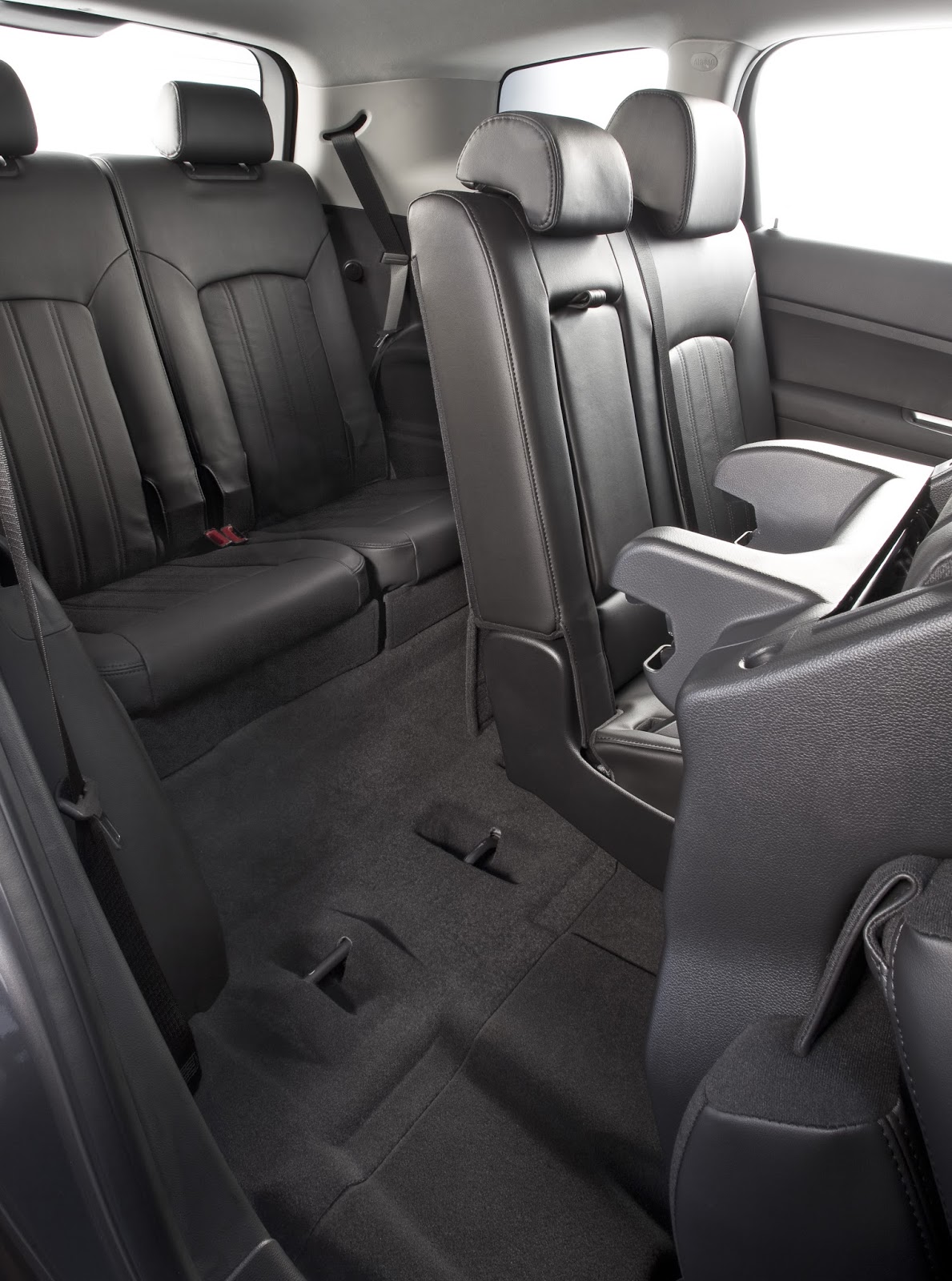
Designed to seat seven people in comfort with several small/medium suitcases or bags and five people with greater stores of luggage, the Orlando acquits itself well as a family holdall. Seat comfort and quality is good and despite the smooth surface of the seat it always provided sufficient grip. The middle row of pews can seat three 6 foot + adults with ease while younger adults and children are well catered for in the rearmost pairing. Conveniently the seat backs of the middle row can be dropped and Orlando’s two individual rear chairs collapsed into the floor. This creates a near flat load space. In addition to the vehicle’s ability to transport a family’s luggage this configuration uncovers its property or office moving capability.

On the Road

There was a time when the dynamic expectations of a vehicle designed to carry a large family were among the lowest of any class of car. Suspension settings tuned primarily for comfort, or simply to offer sufficient cushioning when the vehicle was laden with a multitude of goods and people, long wheelbases and narrow bodies usually denied the driver any sense of joy.

Since the body and frames used for many four wheel drive vehicles became unified, dynamics progressed massively and the models began to tackle estates and saloon cars in the sale charts. In the MPV segment Ford’s S Max and current Galaxy provide a level of dynamism and quality that rightfully had journalists and owners reaching for new superlatives while VW’s latest Sharan and Seat’s most recent Alhambra are no less impressive. This latter bunch are all the more remarkable as they offer increased practicality over their predecessors. It’s against these strong contenders that the Orlando Crossover competes for showroom sales and fleet favour.

After little more than ten minutes behind the wheel I felt Orlando ‘shrinking around me’ the vehicle’s squat stance and low centre of gravity paying dividends through a series of bends. Turn in was surprisingly eager and the body well controlled even during the wetter weather of the test period. Both primary and secondary firms err on the firm side though for a vehicle with 18″ wheels the ride was commendably forgiving. Larger, multi-rippled surfaces or mid corner deviations in surface quality can send a shimmy through the body but this is never disconcerting and can quickly be quelled by reducing one’s pace over more challenging roads.

While I get the impression that the narrower tyres of the LS and LT specification models wouldn’t bring the same level of adhesion at the front and rear of the vehicle, one feels that the body control would be similarly resolute in these versions.

The linear and hushed 2.0 diesel and six speed automatic box are another fine pairing from GM. There is no hesitation between depressing the accelerator and motion nor can I recall a time when the box clumsily dropped a gear rather than using the available torque and remaining in its current ratio. Changes through the box are as well coordinated as you’ll experience in many executive saloons and appropriately spaced ratios allow for settled progress at motorway speeds - 70 mph equates to around 2,500 rpm. Activating the box’s manual function does little to interrupt this unruffled drivetrain though it feels more in keeping with Orlando’s character to allow the transmission to self shift.

Underneath this consistently decent package are strong, fade free brakes. They are quick to respond to both light and firm actions and the Orlando is slowed or brought to a halt with negligible dive.

Verdict

The word expectation is used and/or alluded to several times in this evaluation and that’s for good reason. While I’d have been surprised not to feel admiration for Orlando’s practicality and packaging the completeness of the driving experience delivered beyond expectation. And in its drivetrain too Chevrolet has equipped Orlando with robust artillery with which to conquer offerings from marques such as Hyundai and KIA. As a new or used choice buyers could also feasibly consider one over a three to four year old Land Rover Discovery.

While its combined fuel consumption of 25 mpg didn’t match the claimed figure experience suggests that this would improve to over 30 once the vehicle exceeds 3 - 4,000 miles. Opt for the added convenience of an automatic box and the vehicle emits 169 grams/km CO2. If you’re planning to run an Orlando as an company car or prefer to shift gears yourself then a version equipped with a manual box is the better choice. Thus endowed the 2.0 VCDI’s emissions fall to 139 grams/km CO2.

The stats:

Price - £22,910 ( test car features the additional £2,200 Executive Pack)
Power - 163 bhp @ 3,800 rpm
Torque - 265 ft lbs @ 2,000 rpm
Transmission - 6 speed automatic
0 - 62 - 11 seconds
Top Speed - 121 mph
Urban (MPG) - 34.8
Extra Urban - 51.3
Combined - 44.1
CO2 emissions (g/km) - 169
Vehicle Excise Duty - £143 (six months)
£ 260 (12 months)
Boot Capacity (litres) (with seven seats in place) - 101
(with all seats reclined) - 1594
Towing Limit (braked) (kg) - 1,500
Kerb Weight (kg) - 1,659
Warranty - Five years or 100,000 miles (whichever comes first)

Thank you to the Chevrolet Press Office for their friendly and helpful approach

Josh Ross is a motoring blogger.  You can read his own blog, Fuel for Thought, here.

22 Feb 2013

New Chevrolet SS - specs and images

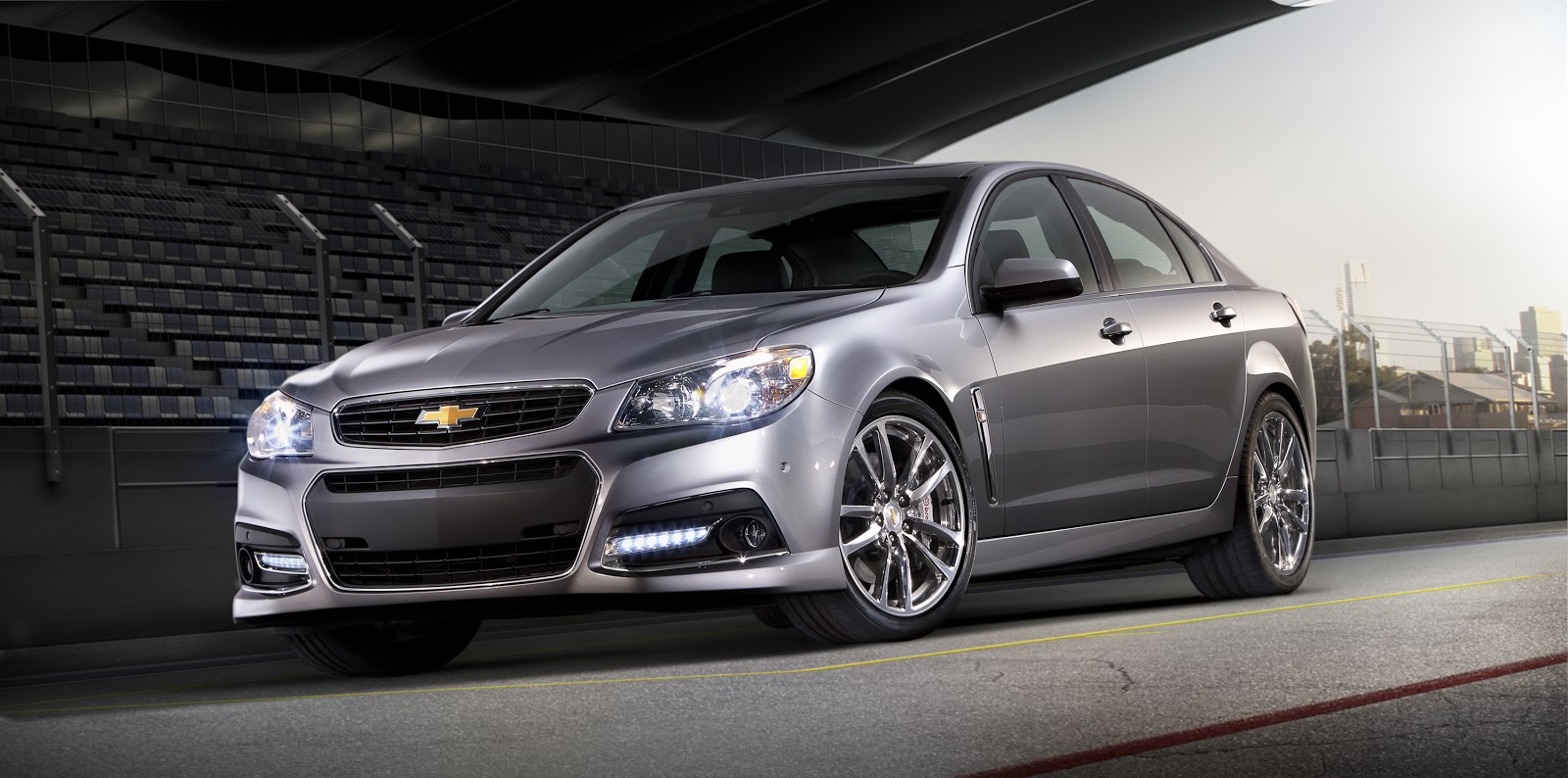
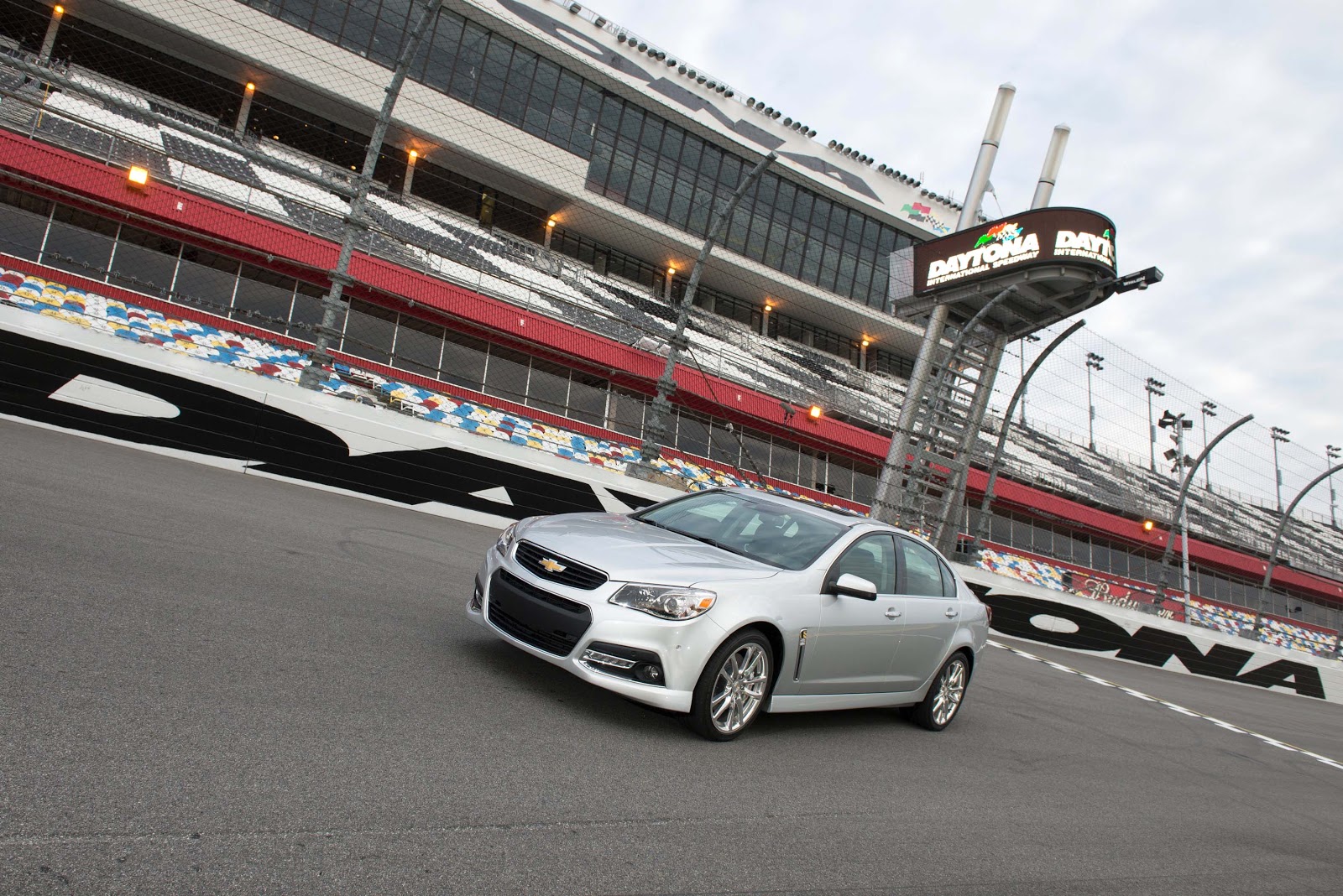
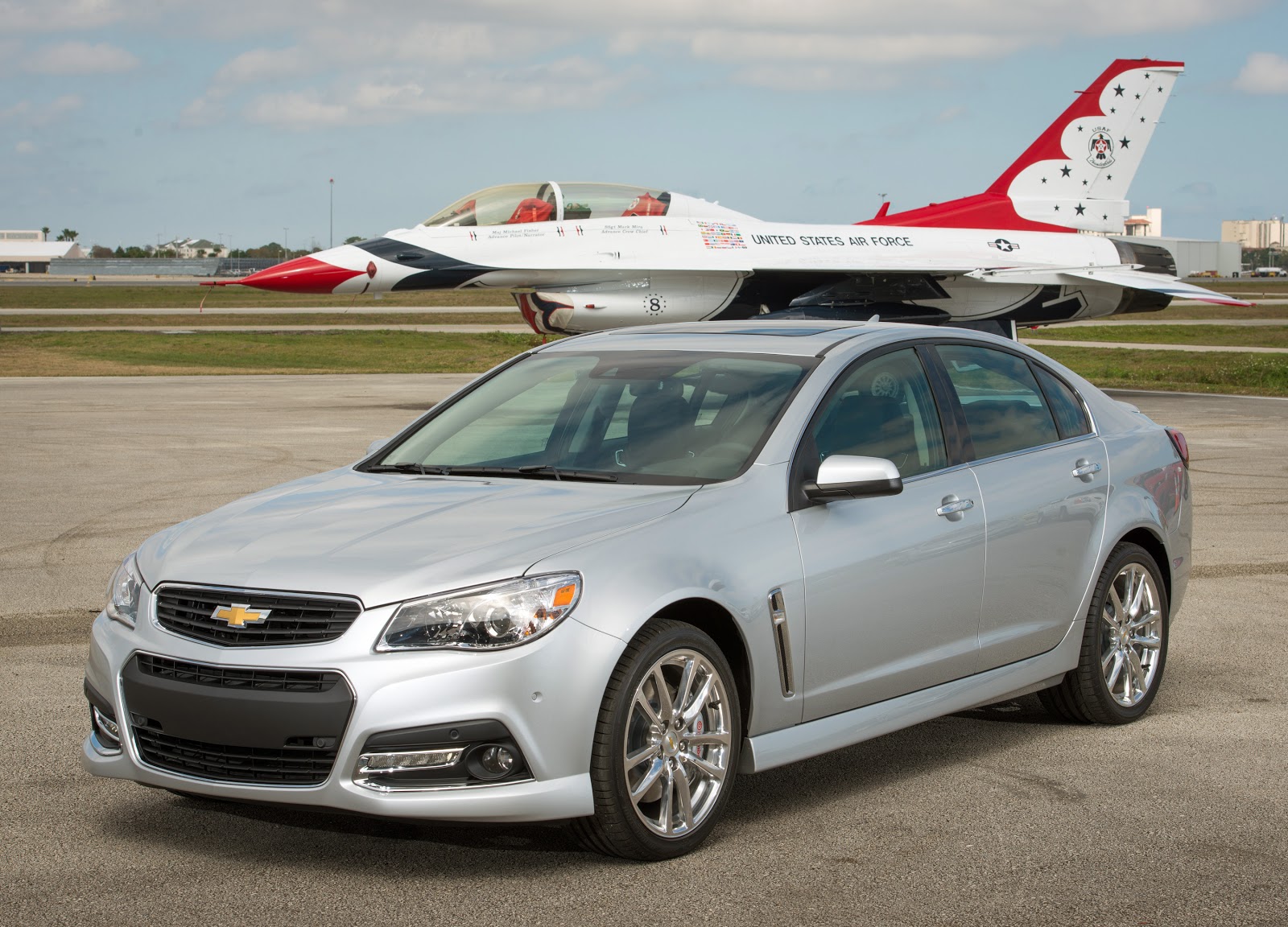
The Chevrolet SS is GM's new flagship saloon in the US, and will be the basis for their entry in the 2013 NASCAR Sprint Cup.  It's based on the Holden Commodore and isn't coming to the UK.  

Last November we suggested how Vauxhall could easily reintroduce the Omega to the UK by importing the Holden Commodore, which is already RHD.  Instead of doing that they've rebranded the Commodore as the Chevrolet SS and are introducing it to the US as their new flagship performance saloon.

SS stands for Super Sport and was introduced in 1961 as a performance package for the Impala.  Since then SS has been offered as a performance version of Chevrolet's standard models, much like Mercedes' AMG or BMW's M Division.  This is the first time a standalone car has been called an SS.

The SS has a 6.2 litre V8 engine - internal designation is LS3 - which is also being used in the new Chevrolet Corvette.  The engine produces 415 hp and 415 lb ft of torque.  Married to a 6 speed semi-automatic transmission the SS will do the 0-60mph run in 5 seconds - only half a second less than the BMW M5.

The SS is big news in America as it's the first performance oriented, rear wheel drive saloon that Chevrolet have produced in 17 years.  The SS doesn't only get a big V8 with lots of power.  It's been designed as a performance saloon from the ground up.  Front suspension is MacPherson struts and the rear suspension is an independent multilink system, Brembo brakes are fitted as standard as are forged aluminium 19 inch alloy wheels.

Chevrolet, or rather Holden who designed and built the Commodore on which the SS is based, have ensured a 50/50 weight distribution and low centre of gravity by using aluminium in key bodywork parts.  David Leone, executive chief engineer of GM global, said, “Our goal was to create a car that delivers incredible grip and handling balance while cornering, while still being comfortable to drive on the road. The perfect weight balance and lower center of gravity were a big part of that goal because it enabled the team to tune for a more comfortable highway ride without sacrificing handling or driver confidence while cornering at the limits.”

Other technology that comes as standard, and that one wouldn't necessarily expect from an American muscle car, includes premium BOSE sound system, push button start, ESC, forward collision alert, lane departure warning, rear vision camera, in-dash touch screen and automatic parking assist.

The Chevrolet SS will be available in autumn 2013 in America and never in the UK, unless you purchase a vastly overpriced imported model.

OK, the SS will probably only return something in the region of 20mpg but then so does the SLS AMG, Range Rover Sport, most Ferraris and any other big car with a big engine - that all sell very well in the UK and Europe.  Surely it's not without the bounds of reason to think Vauxhall/Opel could rebadge and sell 2-5000 SSs a year on this side of the pond.  After all, the architecture of the car was RHD in the first instance.