Showing posts with label Advice. Show all posts

11 Feb 2015

Why A Sports Car Is The Best Car In Winter

Stupid title, huh? Allow me to explain...


The weather has been pretty much as expected so far this winter. Wet and cold with occasional dips below 0℃. It's also dark whilst driving in the morning and evening.

In other words for the vast majority of the time we are driving in the opposite of good conditions. The roads are slippery, visibility is terrible and when the sun does come out it either shines right into your eyes, reflecting off the road for good measure, or beams through some trees and gives you a dose of strobe to try and bring out your inner epilepsy.

I've spent the winter in a succession of press cars, mostly powerful, mostly large and mostly full of safety kit. None of them has made me feel especially secure whilst driving along the twisting Berkshire lanes that makes up most of my local driving.

Big tyres, big brakes, much power, great headlights, many cameras, traction control, stiff suspension, ABS, stability control, blind spot indicators, emergency braking - none of it counts for anything when it's dark and wet.

The problem with anything larger than a Golf is that the basic communication the driver has with the road, conducted via the medium of the vehicle, is muffled and isolated the bigger the car gets - no matter how well it is reputed to handle.

It doesn't matter if that car has been certified safe by any number of official bodies. Safety tests record what happens in the event of an incident. I want a car that stops me from getting into the incident in the first place.

And the best car for that is low, light, narrow and really very easy to drive, place on the road, control and generally communicate with and help you understand what is going on, under and around you.

Regular readers will know my car is a 2005 Audi TT V6. I drove it for the first time in ages last weekend and was inundated with sensations of fluidity, communication and control.

The Mk1 TT has a lousy reputation amongst enthusiasts as having poor steering feel and handling.

This might be true compared to a Boxster or MX5 but the TT has an ace up its sleeve. It is four wheel drive.

Driving the TT after driving a modern saloon, estate or SUV (or a rear wheel drive sports car) that's festooned with safety tech is a night and day experience. Whilst the newer cars use their technology to help the driver the 10 year old TT's simplicity, design and construction make it a far surer car in horrible wintry conditions.

Its narrowness helps when it comes to judging where its extremities are - which means you can drive past a car coming the other way without having to stop. Its short wheelbase means you can steer it neatly round tight corners. Its four wheel drive means you can plant your foot and, unless the road is actually frozen, it'll pull away straight and true. It's slick manual gearbox and naturally aspirated V6 engine mean you can deliver power smoothly in the slipperiest of conditions.

Its steering, which is better than it is given credit for, means you can feel the grip and drive accordingly. Its lowness means you are nearer the road and are better placed to observe the conditions around you, and makes you feel like you sit between the wheels, rather than above them. And its simplicity and overall fluidity means you can use its many benefits to drive at much faster speeds than larger cars with twice as much power can in our horrible British winter.

So that's why a sports car is the best car in winter. Just not any sports car. An Audi TT.  See?

By Matt Hubbard


9 Feb 2015

Cars For Non-Conformists

I like to think of myself as a non-conformist. I try not to fit in with the crowd or do what's expected of me. You might call this awkward behaviour but those of us who think of ourselves as non-conformists disagree - we're individuals. And to that end we don't buy what cars are expected of us.


Whilst the rest of the school-run parents used to pull into the car park in brand new monster SUVs I would drop my son at school in a 25 year old Mercedes 300TE with frilly, rusted wheel arches and gloriously gold paint.

I chose it not only because I was a bit short on budget back then but also because I thought it was brilliant, and hardly anyone else had one. I could have chosen a Ford Focus, but that would have been too sensible.

Conformists go with the flow. Non-conformists kick against the pricks, sometimes to the detriment of comfort, status and financial wellbeing.

If you want to be part of the herd the market has a car that is perfect for your needs. Middle manager in a large corporate with a pension plan, 2.5 children and a house in the 'burbs? Allow BMW to provide with a 3-Series on low rate finance and in a wide choice of colours and specifications.

But that would be conforming. Your Beemer might suit your lifestyle and your wallet but it would be largely the same car as all your colleagues and neighbours. As a statement to the world it says you are as boring as a celery sandwich.

Instead Mr Corporate could buy a Caterham, Morgan 3-Wheeler, Lotus Elise or even a Citroen C4 Cactus, Mini Cooper John Cooper Works or Ford Mustang if real world practicalities need to be taken into account - and he would stand out amongst his contemporaries as a man who does things differently in a world of worker ants. 

Similarly if you're looking to swim against the tide Infiniti, Subaru, Dacia and Alfa Romeo make cars like nobody else does. Buy one and you're already winning in the game of life. I can't promise they'll be any good though.

To really strike a blow for individuality you have to go back a few years when some car companies seemed to make cars for such small audiences it was amazing they didn't go out of business (although some did).

TVR (which did go out of business) made some of the most wonderful machines to grace the roads. Citroen (which is amazingly still in business) has made some of the most stylish, unique and plain bonkers cars ever. Buy a half decent XM, BX, DS or SM and everyone will know you do not conform to the conventional norms.  Saab made cars differently, until GM got hold of the company and blandified it.

Maserati makes rivals to Big German Three which are different for the sake of it and Mazda does the same against the rep-mobiles from Ford and Vauxhall.

If you're after a city car you could buy a boring (and crap, which is sad as the first one was different AND brilliant) Ford Ka or Citroen C1 or you could go against the flow and get a tiny, rear wheel drive (and engined) Renault Twingo.

But for those really unique and most definitely non-conformist cars we have to look to the cul-de-sacs that car companies sometimes build, and then stop building because nobody bought them. 

It might look horrible but the Mercedes-Benz R-Class was intended to create a new class of car, and failed. The R-Class is a standalone Quasimodo in a world of Esmeraldas and as such buying one is as non-conformist as it gets.

Vauxhall, purveyor of cars that are bought by the truckload, once made a kind of semi-luxury estate/hatchback with two individual rear seats that had plenty of legroom. It was called the Signum and nobody bought it, which is why it is as rare as a German comedian.

The Volkswagen Phaeton (vast, luxurious, same as a Bentley under the skin) was built to transport VW's board of directors but as you could buy the same car with an Audi badge on it no-one who didn't work for Volkswagen bought one.

I'm sure I've missed many interesting, unusual, unique and defiantly non-conformist cars. If you know of one let me know.

By Matt Hubbard


2 Feb 2015

Power Is Not Always The Answer - Why A Light Car Is A Good Car

Fast cars are brilliant, powerful cars are enormous fun. But you can experience just as much of a thrill in something with not much power.


Speed is generally equated with outright pace in a straight line. Take one car, give it fat tyres, fit a huge lump with oodles of power under the bonnet and hey ho let's go! That's the recipe for a good time, isn't it?

Yes it is. But only some of the time. In fact only a small amount of the time.  Humungous power is great at the drag strip or on a wide, open track but on a normal road, in normal (British) weather you can't use most of the power at your disposal.

A Porsche 911 Turbo has 520bhp, four wheel drive and four wheel steering. Driving it makes the hairs on the back of your neck stand up, but on the road you'll only ever drive it at 50% and even then you'll be flouting the law.

Step down a few rungs and the 336bhp, rear wheel drive Cayman GTS provides more useable thrills on the road. But it's still overpowered for day to day driving.

The Cayman GTS, 911 Turbo, Jaguar F-Type V8, Audi R8, Mercedes C63 AMG and other cars with a decent amount of feel at the wheel and truck loads of power at the wheels are frankly over endowed for everyday driving on normal roads.

The reason for this is the disconnect that comes from too much power, too much weight and too much  size for roads with speed limits, hedges, SUV-run mums, kerbs, pot holes, hopeless taxi drivers, pensioners in Skodas, mud in the road and all the other crap that's thrown at us whilst we're minding our own business whilst pushing our car to the limit.

And that's just the point. The limit of all the above cars is way higher than normal road conditions allow.

Instead you need something smaller, lighter and less powerful.

You need enough power to overtake a Jazz but not so much power you can't slam your foot down immediately post the apex of a corner without end up 100 yards into a field.  You need enough feeling at the wheel that you know the leaves your front wheels are riding over are oak and not sycamore. You need to know if your rear tyres have slid 10mm, 6 inches or 3 feet.

Even if your V8 powered supercar has four wheel drive you can still overdo it quite easily, four wheel drifts into a jagged kerb are relatively straightforward when enough power is applied at the wrong point in the rain. Or between October and March.

I want to be able to make a complete hash of it and know that if the car cuts loose it does so slowly enough and with enough warning I can correct the slide before I end up embedded into the 44 tonner coming the other way.

What are these mythical cars we can drive to the limit without fear of damage or injury to ourselves or the car itself?

You won't be surprised to hear that you can drive pretty much any hot hatch as hard as you like and still have enough control to throw it with enthusiasm around the lanes, down an A-road and down that gravel track that leads to the local woods that you're not meant to go down but sometimes you do.

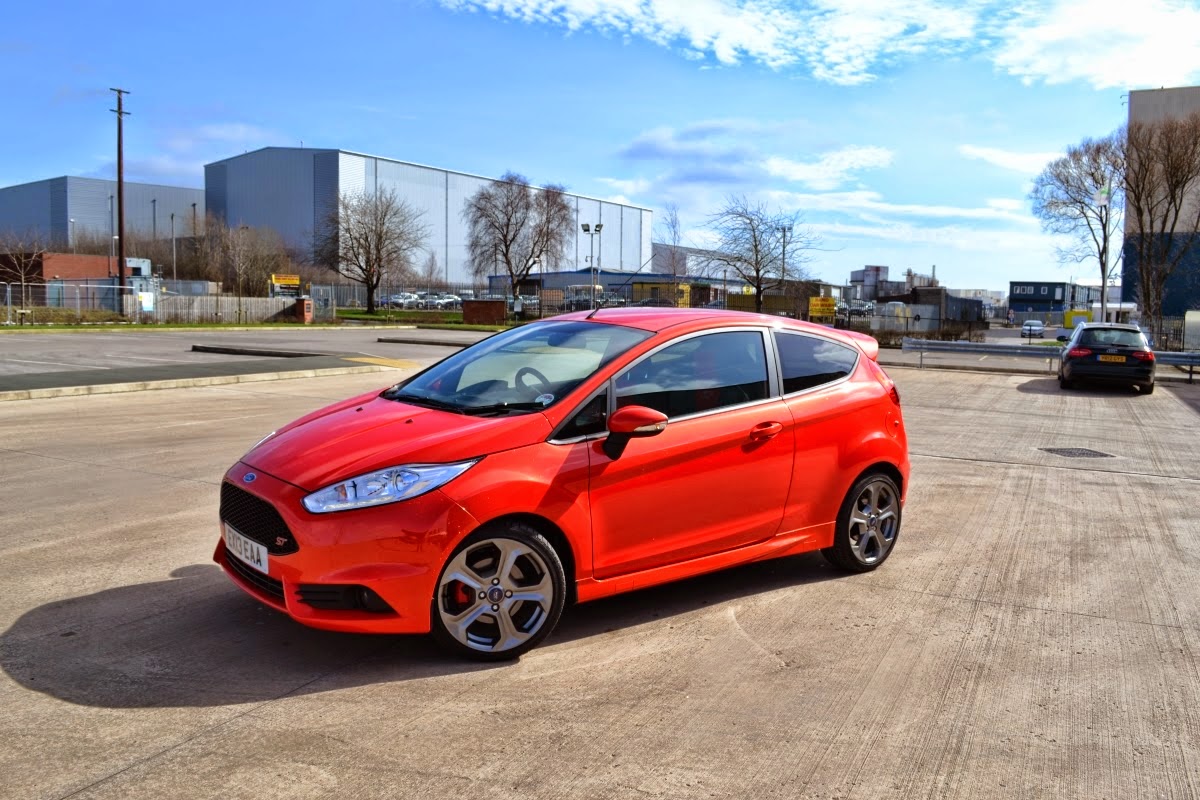
The Golf R is the apex predator of the hot hatch world but for sheer chuckability any of the recent Renaultsport Meganes, an Astra VXR or Fiesta ST have the perfect blend of power, grip, balance and poise to make that grimace turn into a grin.

But you don't even have to splash out £25k on a hot hatch to experience the thrill of flinging a motor vehicle around the Queen's highway in such a fashion as you enjoy the experience and don't end up eating hospital food at the end of the journey.

All you need are enough brake horses to pull the skin off a rice pudding, less weight than two race horses and a steering system that transmits the specification of tarmac the council ordered up your finger tips and through your bum to your brain. Oh, and suspension that means the car won't fall over when you turn a corner.

What you want is to be able to lose the front, lose the back, catch the skid, and gain enough experience of your car on the road that you have enough data in your grey matter that you know that next time you can get within 99% of the car's limit.

And you can do that in a lot of differing, and quite cheap, cars. Mazda MX5, any old Porsche (the front engined ones have perfect 50/50 balance), Golf GTi Mk2, Mini Cooper S, Clio 182 - all will give you all you need.

Lotus have known this all along which is why the venerable Elise is still bought by enthusiasts who know their onions but aren't bothered about having somewhere to put their weekend bag. Toyota cottoned on to the idea too which is why the GT86 is so good. Caterham haven't ever stopped making cars that are perfect for people who like to drive with a degree of finesse.

Fast, loud, powerful cars are brilliant but small, light, not quite so powerful cars can be just as entertaining on the real roads we drive on every day.

By Matt Hubbard


17 Dec 2014

The Top Ten Cars Of 2014

Best new cars in 2014

2014 has been a busy one for Speedmonkey. Colin and Matt drive the press cars, sometimes on loan and sometimes on media days - sometimes on the road and sometimes on track. Between us we've driven around 100 new cars. Here we each list our top five cars, and explain why.


Matt's Top Five


1 - Volkswagen Golf R


Hot hatches are the everyday, accessible performance cars. They're quick and practical, front wheel drive and heaps of fun. The Mk7 Golf is a great looking car that handles well and is packed with kit (although satnav is still an expensive option). The Golf R adds four wheel drive, 296bhp and cocks a snoot at every other hot hatch that's gone before it. It's as fast as a supercar and as practical as any other Golf, oh and it doesn't cost the earth. An amazing symbiosis of performance, practicality and price.

2 - Porsche Cayman GTS


The Cayman has long been regarded as a better driver's car than its big brother, the 911. The Cayman GTS adds just enough va-voom to an already brilliant package to ensure that it not only obliterates the 911 in the handling stakes but everything else as well. Slide it into a corner, turn in on the brakes, apply the throttle sooner than you'd have thought possible in a road car and the hairs on the back of your neck will tell you how perfect the GTS is.


3 - Volvo V60 Polestar


2014 will be remembered as the year Polestar emerged into the mainstream. AMG and M-Sport are now engineering divisions of big car companies but Polestar is still a race team who fettle the odd Volvo. This mentality shows in the way the mighty V60 Polestar performs. They could have made it more powerful but chose to concentrate on handling and ability. Expect many more Polestar Volvos in the future, and if they're all like this the partnership will flourish.

4 - Jaguar F-Type Coupe V6 S


How could the Jaguar F-Type get any lovelier? Simple, get Ian Callum to design a coupe version. The F-Type coupe is the best looking Jaguar in a generation, and arguably the best looking car on the road today. The V6 S package provides the best balance of power and ability.

5 - Audi S1


The Audi S1 is essentially a VW Polo in a frock with masses of power and four wheel drive. As with all of these cars it adds a massive dollop of je ne sais quoi that transforms it from a humdrum hatchback into a manic ball of fury with razor sharp steering and oodles of agility on our horribly paved roads.


Colin's Top Five

1 - McLaren 650S


A development of the MP4-12C but better in every way. Breathtakingly fast and everyday usable the 650S has been built with huge attention to detail so every aspect is perfectly finished, with the instruments having a lovely tactile ‘feel’. It’s so fast it makes hypercars look a little pointless. If Apple were to make a car it would be a lot like the 650S.

2 - Alfa Romeo 4C


A brand new sports car engineered with the focus on lightness. Using a carbon tub and lightweight but powerful 4-piston, turbocharged engine it has a kerb weight of just 895kg yet provides big league performance. Capable of 0-62mph in 4.5 seconds and 41.5mpg the mid engined layout, light weight, wide track and well set up chassis means it handles like a ballet dancer. Shows the way forward for sports cars.

3 - Mercedes-Benz S63 AMG Coupé


Mercedes' new S Class Coupé is both a continent and Continental eater. In AMG format its performance is devastating yet refined as the cabin brings S Class luxury and toys to a proper driver's car. Launched with one of Mercedes finest innovations, Dynamic Curve ride control is a system that tilts the car into bends for superior handing and traction. The drivetrain and interior quality along with stunning looks means it is a genuine Bentley Continental alternative.


4 - Audi RS Q3


Audi have put the SPORT into SUV with an elevated car with genuinely sporty performance. The first RS Q car is huge success in that it takes the roomy upmarket interior of a Q3 and injects it with sizzling performance courtesy of a TT RS 2.5 litre 5 pot motor. 306bhp and the latest twin clutch gearbox help achieve 62mph in just over 5 seconds and more importantly excellent overtaking ability. The RS Q3 is a fantastic everyday fun and family practical car.

5 - Peugeot RCZ R


Peugeot has reinstated its mojo with Peugeot Sport's thorough reworking of the RCZ. Race-spec engine internals, a mechanical LSD and serious chassis tuning have turned a handsome car into a seriously entertaining drive with genuine driver appeal. Even the RCZ’s well trimmed interior has received an upgrade courtesy of the best looking, comfortable and grippy seats this side of a Lamborghini.

By Matt & Colin Hubbard


21 Nov 2014

Battle Of The Hot Hatches

Hot hatches are back with a vengeance. After years in the doldrums we're now awash with them.  Here are my fave five.

Hot hatches

If you're in the market for a hot hatch here are my thoughts on my favourites. The links take you to the written reviews and the video reviews are below. They are the Volkswagen Golf R, Vauxhall Astra VXR, Audi S1, Renaultsport Clio 200 Turbo and Volvo V40 T5.

Volkswagen Golf R - Crushingly capable


Audi S1 - By god it's quick


Vauxhall Astra VXR - Manically insane


Renaultsport Clio 200 Turbo - Frantic and fun, deserves a better press than it has


Volvo V40 T5 - Proof that you can have speed as well as comfort


By Matt Hubbard


7 Nov 2014

The Perfect Driving Position

When I drive cars and then write about them I tend to bang on about the positioning of the seat and controls more than other reviewers do.  


I don't know why others don't so much because, for me, getting the perfect, or as near as dammit, driving position is hugely important.

My mum was 5 foot 3 and drove around in her yellow Mini Metro with the seat pulled all the way forwards whilst perched on a cushion.  This was great for us kids in the back because we had some legroom.

When I was younger I knew a chap who was six foot 4, and he drove a Rover Mini. He was all bent arms and his knees were up each side of the steering wheel.

Thankfully modern cars are built a bit more for those of differing sizes, but not much better. I'm 5 foot 10 so pretty average and still the driving position on most cars is defective in one way or another.

I blame the short arses.  Most superminis and city cars are designed for women to drive, who are, on average, shorter than men.  Similarly China is a hugely important market for many sports cars and luxury cars, particularly SUVs, and the average Chinese man is 5 foot 5.

Car makers nowadays do their best to build cars to suit a range of heights and as such their cars are a compromise.  Also, safety features such as crash structures impact on some areas.

So we get shallow footwells and pedals quite close to the driver, adjustable seats and steering columns to accommodate everyone, yet they don't perfectly suit anyone.

Take the Toyota Yaris I just drove. I had to push the seat back so my 43 year old legs weren't too bent and my ancient ankle didn't have to sit on the throttle pedal at too acute an angle and therefore start hurting after 5 minutes.

The perfect steering wheel position is when you can rest your wrist on the top of the wheel but this wasn't possible because the steering wheel had about 3 inches of reach adjust.  So I had to push the seat forwards a tad to reach the wheel and the pedals.  Which made my ankle hurt.

My own car is almost perfect. It's a an Audi TT and therefore a coupe and therefore has the best position. The seat is low down, the footwell is nice and deep and the wheel adjustable so it is in just the right place.  But the gearstick is too far forwards and I have to reach to change gear.

Some cars get things almost right then balls it up with some minor issue. The Alfa Giulietta has a  position that's almost spot on. Ideally the brake should sit about one inch higher than the accelerator but in the Giulietta they're the same height which makes everything feel very wrong.

The Mercedes B-Class gets it wrong spectacularly on two fronts.  The brake pedal is far too high above the throttle pedal and the steering wheel comes out of the dash too high up.

My old BMW E36 had a floor hinged accelerator. This is OK if the seat is almost on the floor, as in a coupe, but it wasn't.  Because the foot comes down at the pedal at a higher angle more pressure is required on the pedal and this impacts on the lower part of the thigh as pressure is put on it. If I drove for more than 15 minutes in it I got deep vein thrombosis and my leg went blue.

The Maserati GranTurismo is almost perfect. Almost.  The steering wheel comes out of the dash at too high a position.  The Peugeot 208 has the clocks above the steering wheel so you have to set it too low to see how fast you're going. In the Mitsubishi L200 you need long arms and short legs to drive the thing.  The Honda Civic has nowhere to out your left foot.  The list goes on.

There are only three cars I've ever driven with absolutely perfect driving positions.

The first is the current Range Rover.  The seat is high enough from the floor that your feet sit perfectly on the pedals, the seats adjusts to fit anyone, the steering wheel is just right and there's somewhere to put your left foot.

The second is all Lotuses.  Lotus appreciates driver comfort and provides a perfect seat and perfect controls. Despite being quite firm I could drive all day in a Lotus and not feel a single twinge of pain or discomfort.

The third is the Porsche 924, 944, 968. The steering wheel doesn't even adjust but you sit virtually on the floor with the steering wheel in such a perfect place that anyone get supremely comfortable in one, the footwell is deeper than in almost any other car and the gear lever is just where you want it.

So it can be done, it's just that most modern car makers can't be bothered to give us the perfect driving position.

By Matt Hubbard


4 Nov 2014

The Slowest Drivers On Our Roads

We all share the road and as people are fond of saying speed limits are just that, not a target. But some drivers are just sooooo slooooooowwwww - and get in our way!


I like driving fast, if you've read any articles I've written you'll know that. I don't mean stupidly, dangerously fast but sensibly, where I can see the road ahead and don't plan on killing myself anytime soon fast.

Fast is fun, fast is life affirming, fast is thrilling, as long as you don't endanger anyone else or annoy the emergency services by having to scrape you up off the road and put you in evidence bags.

But some people do not like fast. Indeed some people do not even like approaching speed limits. I'm not talking about the normal driver who'll hover under the limit in a 60, stick religiously to 70 on the motorway and cruise on through a 30 at 35 but properly, annoyingly slow.

Slow people drive slowly for various reasons - fear, hatred, because their bicycle has a puncture or the trains are on strike - and often come equipped with a humungous chip on their shoulder. They see a fast, or even normal, person approaching and refuse to do anything about the fact they are causing a bigger hold up than someone paying for their supermarket shop with once pence coins.

It's important to note that I do not and you shouldn't tailgate these slowcoaches. That is a) dangerous, b) annoying and c) gives them a mixed sense of annoyance and satisfaction.

Who are these people?

First up has to be those people who are actually scared of driving. These are the meanest, most vindictive drivers on the road, and also the slowest. You see them gripping the wheel like it'll run away if they don't. Jaw clenched, eyes darting to the rear view wing mirror every now and again ready to stamp on the brakes if someone gets within 50 yards. A slow coach scaredy cat can drive pretty much anything but Nissan Micras tend to be a favourite.

Honda Jazz drivers tend to be those types who drive at 40mph everywhere no matter the conditions or limit. This isn't entirely fair on Honda as they cannot choose who buys their cars but Jazzes are generally bought by a particular subsection of society. Without putting too fine a point on it Honda Jazz drivers are generally old - and so short they sit on a cushion. A Jazz is cheap, reliable and easy to drive, and Bettie down the bingo has one and said it's lovely. Pensioners in Jazzes aren't dangerous or vicious, they're quite safe to overtake as long as it's not anywhere a post office, village hall or bowling club, in which case sudden turns are liable.

In my neck of the woods (leafy West Berkshire) school run mums drive slowly because they do not want to damage their expensively educated offspring or expensively humungous SUVs. They drive in the middle of the road so as not to damage said car or children on the blades of grass that grow at the side of the road and when traffic approaches they either come to a sudden and complete halt or carry on regardless at 30mph. It is this randomness that means you need to stay well behind SRMISUVs.

Drivers with nine points on their licence, of which I was once one, are good drivers with much in the way of skill and experience who know that as soon as they break the limit by 3mph the jolly old police will catch them out and take away their licence and therefore livelihood which will lead to divorce, alcaholism and abject misery for the rest of their days. A driver on nine points will be courteous but resentful. Happily I managed to avoid the Mad Mulla of North Wales for a couple of years and dropped down to six points before any of that could happen.

In the days before satnavs we all drove like idiots. Before it became illegal and unfashionable to look at smartphones whilst on the move we drove much worse - with a map on our knee. Sadly some people have yet to invest in a satnav so still use a map to get around. Random stopping, sudden turns and crawling along whilst trying to find Park Street in square A6, page 38 of the A-Z are the norm.

Sociopaths in beige Rover saloons who would normally cycle but take delight in occasionally driving are perhaps the worst of the slow drivers. They take glee in keeping you behind them and flash their lights when you finally overtake, but not without speeding up to make you shit your pants whilst in the act of overtaking.

Many people drive slowly, some do it for fun, others because they are scared, whilst some do it out of ignorance. These people are to be pitied. Life is short and thrills are few.

Drive safely, drive courteously, drive within the limit of your and your car's abilities but don't drive slowly just to annoy others. That's not safe or courteous - that's just idiotic.

By Matt Hubbard


16 Oct 2014

Should Certain Cars Be Protected By Law?

In the UK a system exists so that buildings are protected if they have a special architectural and historic interest. Surely we should be listing cars as well.


Recently details have emerged about some of the cars that were lost under the 2009 scrappage scheme where owners were given £2,000 to scrap their old cars when traded in for shiny new motors.

The list of cars that were scrapped in return for a £2,000 discount off a new car was brain-numblingly painful for anyone with the remotest interest in cars, or even with an aesthetic eye. Lancia Delta HF Integrales, BMW 2002s, Mercedes 560 SECs, Porsche 928s and many more were lawfully destroyed by the state in return for a discount off a crappy Korean hatchback.

We need to learn from our (and our government's) mistakes and protect certain older cars to ensure they are protected and cannot be scrapped or tastelessly modified whether under a future scrappage scheme or just by ignorant owners.

Under our car listing scheme those who buy and own these cars will be required to keep them in a certain condition, to protect them from idiotic modifications and to display them at at least one event per year so they can be enjoyed by the public.

If a listed car requires major work to keep it in roadworthy condition and the owner cannot afford the work they can then apply for a grant, just as the owners of listed buildings are able to.

Listed buildings come in three categories, Grade II covers 92% of all listings, Grade II* provides extra protection for 5.5% of buildings and Grade I protects buildings of exceptional interest and importance and covers just 2.5% of all listings.

In the car world we are a bit more modern so I'd go for an update to the numbering system at the very least with Grades 1, 2 and 3 where Grade 1 is the most important.

A board should be formed consisting of men and women who know their onions about cars and who would select those models to be listed. That board would debate and elect the list which would be updated annually.  Car Listings Board members would include luminaries such as Ian Callum, James May (but NOT Jeremy Clarkson) and the Earl of March.

As to the listings themselves I've my own ideas but asked Twitter for examples. These were some suggestions.

Grade 3 - Ford Cortina Mk1, Ford Escort Mk1, Maserati Biturbo (all variants), BMW E24 6-Series, Triumph 1300, Austin Mini, Jaguar E-Type S3, Porsche 928, Porsche 924, Porsche 911 Classic, 964 and 993, Volvo P1800 and 1800ES, Ferrari 308, Land Rover Series 1, Mercedes 560 SEC, Lancia Stratos

Grade 2 - Austin Mini Cooper, Jaguar E-Type S1 and S2, Ford Escort Mk1 RS and Mexico

Grade 1 - Mercedes 300 SL Gullwing, Ford GT40

The list and grades are endlessly debatable, which is why the selection of members to the Car Listings Board should be performed with the utmost diligence.

Let me know your suggestions for our new system of car listings.

By Matt Hubbard


14 Oct 2014

Five Alternatives To A VW Transporter

The Volkswagen Transporter is massively popular, but what alternatives are there? Mike Armstrong investigates


Petrol heads and ordinary civilians alike cannot deny their admiration and love for the Volkswagen Camper. Particularly the T2, which has seemingly managed to cross genres and win the hearts of everyone on the planet. Even later T25 and T4 models are appreciating in value at a rate which will exclude the majority of those seeking a budget camper.

Many specialists exist across Britain who will convert just about any form of commercial-ish vehicle into a dayvan or fully blown camper conversion. Let's set ourselves a budget of £10,000 and see which vehicles would be a better alternative for the average lover of the great outdoors. Hopefully we can encourage a few readers to begin projects for next spring/summer!

1 - Mitsubishi Delica


A rather overlooked potential conversion in the UK. The Delica is a robust Japanese van/people carrier with attitude. Firstly, it will go just about anywhere thanks to the world renowned four-wheel drive system, which will be equally as effective in sub-Saharan Africa as a muddy field in Cornwall. £3,000 will buy a MK3 Japanese import with around 100,000 miles and a diesel engine. Sources suggest that a firm in Wigan provides the basic conversion starting from £4,000. In total, this reliable and indestructible Delica will cost as little as £7,000.

2 - Mazda Bongo Friendee/Ford Freda


Another dayvan/camper from Japan joins the list. The Bongo has been a grey import hit in many countries, including: the UK, New Zealand and Russia. Not many vans of the late 90's offered electric sliding doors and air conditioning as standard. Some were even specified with cooking units as an option from the factory, making one of these earlier examples preferable for a budget conversion. Furthermore, they came available in either rear-wheel drive or four-wheel drive formats, with the engine situated in the middle. A mid-engine sports car it is not, however with prices around the £4,000 mark, you would be foolish not to consider a Bongo.

3 - Vauxhall Vivaro/Renault Trafic


Surprisingly overlooked amongst the camper scene. Rather unfortunate that is as these vans drive very well, are plentiful and are fairly modern for the price you pay. Conversion specialists are plentiful too, offering various different types of flatpack and custom designs. Due to their modern credentials, spare parts are cheap and specialists common. Furthermore, the diesel engines will return better MPG on a long run than the Delica or Bongo. Not bad for a van which can be obtained from around £3,000 plus conversion costs.

4 - Chrysler Grand Voyager


No, we haven't gone crazy! The Grand Voyager would make a superb camper, and this is why. Unlike most other conversions, the roofline is lower, meaning that campers can park their Voyager in regular sized car parks or travel with regular vehicles on the Eurotunnel. Also, the width and length of the interior is nigh on identical to a T4 VW Transporter, only costing a fraction of the price. Early examples can be had for under £1,000. We'd obviously recommend spending around £2,000 for peace of mind. Conversion costs may be less too, as the Grand Voyager already has windows, therefore the law does not require any extras fitted for re-classification. Similar projects could feasibly be done with the Renault Grand Espace and Kia Sedona to the same effect.

5 - Ford Transit


Britain's best loved work horse certainly makes the list. Price conscious members of the camper conversion society forever rant about how much better the Transit is than the Transporter. Indeed, with a lower starting price, the argument appears to have weight to it. Not to mention, Transits are far more common, cost less to repair and drive pretty well. With prices starting from £1,000 and rising as to your requirements, the Transit will offer a lot of camper space for your money.

So if building your own camper this winter is the ideal project for you. Take these five vehicles into account, and sleep on it to decide which you'd prefer to sleep in. Also feel free to suggest any other vehicles or feedback on your experiences via Twitter or in the comments section below.


10 Oct 2014

The Miserableness Of Cheap New Cars

There are lots of cheap cars on sale nowadays. You can buy a host of brand new machinery for around £13,000 or below.  But don't do it, you'll regret it.


City cars, superminis, hatchbacks, clever packaging, economical engines, low or no road tax, low insurance, low running costs, low maintenance and cheeky looks.  There are many compelling reasons to buy a cheap new car.

Reviewers tell us that the Skoda Citigo is amazing, the Toyota Aygo is brilliant, the Ford Fiesta is awesome, the Dacia Sandero is insanely cheap and the Fiat 500 is the cutest little car ever made.

All of this is true.  These and the myriad small cars on sale today are, by and large, incredibly designed, packaged and priced - except the Mitsubishi Colt, which is crap.

Get in one (not a Colt, the others), take it for a thrash and marvel at how it flies round corners, be amazed at how the designers have used cheap materials but arranged them in such a way as they're lovely to look at and realise you can own one for not a lot more than your council tax bill.

Modern cars are wonderful and cheap motoring is available to the masses.  Hurrah for us and our car makers.  Life is wonderful when you buy a cheap new car.

Well, it is for the first few days.

You see, in my capacity as a tester of cars, but also as a normal bloke with a normal job, I drive all sorts of machinery and drive them many miles.  I take delivery of a car and use it every day, which quite often involves day-long trips around the UK.

Despite having driven hundreds of cars when a shiny new press motor first turns up I look over it like a child on Christmas morning.  This is mine for a few days. Will it be good, will it be bad?  That doesn't matter right now for it is shiny and new and smells good.

And then I drive it.  I enjoy those first few miles, finding out about the car, the tech, the systems, the engine, the steering.  It's all good even if it's bad.  My semi-expert eye casts over the shapes, my fingertips feel the materials and surfaces.  I mentally compare it to the competition.

I sometimes marvel at how the manufacturer makes such a thing for such a small price. For £10k you can have a VW Up! or a fairly rubbish conservatory.  The Up! is amazing value in comparison to almost everything else, and don't forget tax takes up a big chunk of the price.

But then after a few days I've got used to the press car.  Some things are and remain great but some things are, remain and persist to be annoying. After a few days with and a couple of long trips in some cars not only has its character revealed itself but its failings have really started to get on my tits.

Cheap material is cheap material no matter how cleverly designed and arranged.  Hard, scratchy plastic will forever be nasty. Fabric seats might look great in photos but they attract particles of dirt and dust and hairs weave themselves into the material, and they feel horrid to sit in.

To make a car cheap some elements of what you'd expect to be in a car in 2014 are missing.  Manually winding windows in 2014? You'll find them in lots of cheap cars. Ugh.  The seat might adjust so if you're taller than 5 foot 10 you can work the pedals properly but to save on cost the steering wheel is not necessarily adjustable for reach and you need weirdly long arms to use the gearstick.

Frugal engines don't cost much to run but frugal often equals weak. Sure, it's fun thrashing a 0.9 litre engine round the back lanes but use it where you need a bit of power, such as on an A-road or motorway, and you'll find it doesn't have enough puff to pull the skin off a rice pudding.

And then there's the whole chassis thing.  Fizzy, sharp, fun cars are usually tiresome when driven for more than 30 minutes. You arrive at your destination feeling frustrated, weary and irritable.

Cheap cars are cheap for a reason and their shortcomings will reveal themselves sooner than you think.

I review cars at the cheaper end of the spectrum based on how they feel within themselves, against the competition and whether they do the job they were designed for.  Most of them do this job well but ask more of them and they'll let you know that you were a cheapskate.  You should have bought a more expensive car or a better, more luxurious, more powerful and more refined car on the used market.

£10k buys you many different brand new cars but it'll also buy a whole lot more wonderful cars that are just a few years old.

Make your choice but know this - as you make your bed so must you lie in it.

By Matt Hubbard


9 Oct 2014

Why Some Car Reviews Are Bullshit

Yes, you read that right, some car reviews are utter bullshit.


Reviewing cars is a subjective thing. It's not an art but the putting together of words in the right order and in such a fashion as they make sense and impart information in an interesting manner does require an artistic touch.

Anyone conversant with the English language and possessed of a technical mind can write. It takes skill and lots of experience to write a review of anything but writing a review of a car is particularly difficult because you can't take notes or write it whilst driving the car and the differences between cars is often minuscule.

Also, a review demands a degree of emotion and cars in themselves are not emotional items rather they bring out different emotions in us as we interact with them. A car may cause one person to feel happy whilst the same car can make someone else feel disgusted. How? Why? Who knows, they're just lumps of metal and plastic.

All a reviewer can do is try his or her best.  Often they don't. Sometimes they cannot be bothered, sometimes they dislike the car and just use the review as a means to say so, sometimes they can write but are incapable of writing about a car, sometimes they simply cannot write.

Sometimes they have no interest in the car and want to tell their audience how fabulous they are, sometimes they treat their audience with disdain, sometimes they expect the audience to know everything about the car already, sometimes they are in the pocket of a manufacturer or the person who supplied the car, sometimes they write about aspects of the car no buyer really cares about.

I have written around 200 car reviews and am not an expert but I have enough experience to spot a bullshit review when I see one.

A car review by someone who has no interest in cars has to be right at the top of the bullshit scale - see this example from a Guardian reviewer who didn't even drive the car and signed off by saying he doesn't like cars.

The next category of bullshit car reviews are those written by celebrities. Take this Peugeot 108 review by Chris Evans in which he talks about how much money he has, his celebrity friends and finally about the car of which he says, "She is the new carnival queen who is a natural in the modern world of retail speed-dating."

Next up is the review for entertainment's sake. The one magazine I buy every month is Top Gear, yet I know that no review in Top Gear magazine actually tells you anything about the car itself, unless it's written by Paul Horrell.  But Top Gear is a fun read so I don't mind. Its reviews are still bullshit though.

Then we get the regional newspaper bullshit review. Some regional newspaper reviews are excellent, particularly if they are crafted by Andy Harris. That's because Andy's employer, The Yorkshire Times, has hired someone who likes cars, can write and can write about cars.  Sadly not many regional titles do the same. Often they buy in substandard articles from substandard writers, others get their cars from dealers who advertise on their pages so the article is biased, others get someone on the staff who knows nothing about cars to write them.

My biggest bullshit bugbear is so-called experts who's work is the modern equivalent of the Emperor's New Clothes.  These are writers, often well known, who have a high regard of their own abilities, bolstered by the hype created by their fawning fans on social media who are either too young to drive or so enamoured of their hero that they can't see that he speaks mostly bullshit.

This class of writer will disregard such areas as interior quality, cost to run, how comfortable it is on a journey, if the stereo is any good, how it will make you feel, whether the driving position is dreadful or whether it is any good at going round corners in real world conditions. Instead he will write about its ability to drift, whether it is possible to buy upgrades, that it is dull when compared to the supercar he has just bought and how good a driver he is.

Cars are expensive and glamourous. They are a lifestyle choice as much as a functional device.  Cars are thrilling to drive but the driving experience is a personal one. Telling someone else how that car made you feel is a difficult task.

Manufacturer press teams have limited resources and publications are chasing readers and money. Bullshit reviews are often the result of a magazine, newspaper or website doing anything to sell more copies or get more hits. They are sometimes the result of publications only being able to get cars from organisations who have a vested interest in a good review.  Sometimes they are simply the result of complacency.

But don't despair. Many car reviews are not bullshit.  You'll find informative, if dry, reviews in WhatCar. I also like the reviews by the talented team at Autocar and will often check out Honest John if I'm looking at buying a used car.

Many bloggers write decent reviews, although some can be a bit biased or lacking in the writer's skill, but part of the fun is finding those who have the skill and can make the read interesting as well as conveying what you need to know about the car.

Of course you can also take a look at our own database of reviews which are, hopefully, not bullshit.

By Matt Hubbard


7 Oct 2014

Car Interiors - The Good, The Bad And The Ugly

Car interiors are often overlooked by buyers.  They shouldn't be.  Here's our guide to what to look for in the interior of your next car.


When you're choosing a new car, be it brand spanking new or second hand, you'll largely be swayed by looks, price, running costs, performance and what other people say about it.

Happily all of the above information can be gleaned from a magazine or the internet (including Speedmonkey's own road test index).

The stats are one thing, the aesthetics another and you can check out how your prospective lump of metal looks simply by looking at photos.  But when you look at photos they are generally of the outside of the car.  Sure, you might take a glance at an interior photo or two but it will unlikely make much difference to most people.  And even if you do look at some interior photos they won't tell the full story.

Yet, you see your car when you get in and when you get out.  All the time in-between is spent looking at and interacting with the interior.

The very place you'll be looking at the most, touching the most, and spending the most time with is the one area largely ignored by buyers.  All interiors are not equal - they vary a lot.

Let's make some sweeping statements purely for illustrative purposes.  American cars, Japanese and Korean cars tend to have horrible interiors, German cars have functional interiors, Italian cars have interiors with flair (read: bits fall off), British cars have the best interiors (new MGs are NOT British cars), French cars have cheap interiors that look quite good and Swedish cars have great interiors that cost quite a lot.

Also, you might think that expensive cars have the best interiors - not true - and that cheap cars have the worst interiors - also not true.

How good a car's interior is comes down to how much the designer cared about how it looked and felt and how much the accountants let him indulge himself.

Take Volkswagen.  VW interiors are functional, straightforward and melt into the background.  They are ergonomically perfect but some of the materials used are cheap - yet you'd never notice.  If someone test drove a Golf and were then asked about the interior their answer would be, "...erm. I don't remember."

This is Volkswagen's genius.  If the same person drove a Ford Focus their answer would be, "Well, it's plasticky, has too many buttons and there's a bit that looks like it was made by Fisher Price."

Volvo and Jaguar make the best mass-produced interiors although neither company produces cars at the cheap end of the spectrum.

Audi takes VW's functional genius and adds some posher materials and a tiny amount of design flair (most of which derives from the Mk1 TT). But if you get in a £60k Audi you'd notice some elephant hide plastic that would be leather in a Jag.

Mercedes and BMW are no different. Pay a fortune for one of their cars and you still get that nasty, scratchy material covering the A-pillar and an infotainment screen that sticks out of the dashboard like a Chinese rip-off of an iPad.

But sit in a Range Rover Evoque and be amazed at how much better the quality of the materials is than anything from Germany (although the Merc SL's interior is amazing).

Some companies have different approaches to those vast swathes of plastic atop the dash and doors.  Honda and Toyota have no qualms about using hard, scratchy plastic yet Volvo uses squishy stuff that looks similar but feels much nicer, which improves the experience no end.

Renault make cars right at the bottom end of the market but the interiors look OK.  In a Renault that cursed elephant hide pattern is replaced with tiny little patterns.  As a result their cabins look classier than, say, a Fiesta.

Peugeot, on the either hand, don't bother and the 208 GTI's gearstick has a scratchy bit of plastic that you notice every single time you change gear.

The driving position makes a huge difference to how a car feels. Speedmonkey always reports on this but not many other publications do. Some cars are designed for all sizes whilst others aren't (Mercedes B-Class I'm looking at you - you need a long body and short legs to be truly comfortable in a B).

Visibility is not always a given.  The new fad for twin A-pillars might be good for safety in terms of an impact but it's calamitous for safety in terms of being able to see out of the car.  Vauxhall is one of the worst offenders in this regard.

Infotainment systems vary a lot too.  Many manufacturers make an effort to create a good looking, intuitive system whilst others don't even try.  Several manufacturers, mainly Japanese, supply aftermarket systems, which look terrible.  Ford's system is bad to look at and to use whilst Subaru's is comically unworkable.

Seats.  Ahhhh, where to start.  Vauxhall makes great looking seats with masses of adjustment that singularly fail in the comfort stakes.  Jaguar also suffers from good looking seats that you never quite get comfy in.  Land Rover, bizarrely (seeing as they're the same company as Jag) always makes seats that are spot on.  Volvo makes the best seats - that's why they fit so many drivers aids, so you don't doze off.  The seats in a Nissan Pathfinder truck are made for people with very small bottoms and the seats in a VW Golf are just there - like all VW stuff you hardly notice them but they work perfectly. I've never got truly comfortable in a BMW seat but Mercedes and Audi make great chairs.  Toyota seats are just fine but look cheap.  You can feel the frame through the stuffing in a Mitsubishi Outlander seat. Dacia seats are cheap and you fall out of them when you go round corners. I could go on but you get the gist.

Ultimately a car can be absolutely fine but a small area can ruin the experience.  The Honda Civic has a great looking interior but it has a plastic steering wheel, which ruins the effect.  Similarly the 208 GTI's gear knob spoils an otherwise good car.

Finally we come to storage. A Jaguar F-Type or a  Porsche Cayman have almost nowhere to put anything.  A Lotus has literally nowhere to put anything.  A Morgan 3-Wheeler has less than that.

Most cars that aren't sports cars have adequate storage space.  A Mitsubishi Outlander has ten cupholders but only seven seats, a Volvo XC60 has more storage space in the cabin than a shipping container but the door pockets are such a weird shape that you lose most of what's in there.

A lot of cars don't have anywhere sensible to put an iPhone, some cupholders are either too small or too large for most cups, some storage spaces have flat bottoms so anything in them falls out when accelerating or braking. The armrest in an Alfa Giulietta prevents you putting anything in the cupholders and the armrest in a VW Polo prevents you using the handbrake or changing gear.

Car interiors are very important but consumers don't think enough about them when buying their cars.

When researching your car make sure you think about the inside of it as much as the outside. If you don't you could be in for a few surprises - and not all of them pleasant.

By Matt Hubbard


8 Sept 2014

Wouldn't It Be Boring If We All Bought The Most Practical Car Available

I once bought a car for purely practical reasons.  It was a VW Passat estate 1.9 TDi 110 and it was purchased in order to accommodate a family of five humans and two dogs and to use as little fuel as possible.  It achieved all these aims but by god was it boring.


I thrashed the living daylights out of it and it never failed to return less than 40mpg. It did what it was meant to but it slowly drained the life out me me, so I bought a Subaru Outback.  Which was brilliant.

The Outback was practical in every regard except that it drank like a fish. At nearly two tonnes and with a 2.5 litre flat-4 petrol engine it returned 30mpg on a long run but 25mpg the rest of the time.  That's not very practical, but I didn't mind. It returned the life that had been drained by the dreary Passat.

But what if we all bought the most practical car available?

For a start all premium brands would be out.  Premium is an image thing, it has nothing to do with practicality. You might kid yourself that a Mercedes-Benz C250 CDI is the perfect car for you and your family but it's not.  You're buying it because it's a Mercedes.

Same goes for all BMWs, Jaguars, Lexuseseses and Audis. You pay more for the brand. Get over it, you can't have one.

You might think with seating for five, a decent sized boot and a range of efficient, economical engines the Volkswagen Golf would be the ideal practical car. But you'd be wrong. Volkswagen is a premium brand. You can't have one.  Sorry, not my fault - them's the rules.

So let's move right down the pecking order, to Dacia. Oh, this is more like it. At £6k the Dacia Sandero is the cheapest car on sale in the UK, even if the majority are specced up and cost a few grand more.

Wrong.  Dacias are not practical. Not at all. No way Hosé. Sure it's spacious and has a boot big enough for a labrador and some bags but the Sandero has an ancient 1.2 litre engine that produces 137g/km of CO2.  That means you have to pay car tax.  Ugh.

Vauxhall? No, the Astra is too expensive and the Corsa too small and its engines are old. Ford? No, the Focus is too expensive and the Fiesta too small.

Kia then? Nope. The build quality and tech is good but prices have gone up to almost VW levels.  The Cee'd is seemingly our perfect practical car but the engines are old and are too thirsty and dirty. They're good but not good enough.

Toyota? Almost. The Auris is big enough and has modern engines, the D-4D 1.4 diesel is frugal and clean but there is one car which outdoes it.

If you are going to buy a car based purely on practicality you need to buy a Honda Civic.  It seats five, has a half decent boot, is priced from £17k (and you'd get a healthy discount if you haggle) and has some of the best engines on the market.  As a brand Honda has no pretensions, it just produces the best engineered cars it can.

Amazingly the interior is stunning to look at and it's good to drive. If you spec the 1.6 i-DTEC it returns 71mpg and costs nothing in road tax because it emits 94 g/km of CO2.  Here's my review of the Civic.

So there you go. If we all had to buy the most practical car available it wouldn't be such a bad thing after all.  Just don't spec yours in white, that would be boring.

By Matt Hubbard


1 Sept 2014

Back To Skule - Five SUVs Worth Considering For The School Run

It's September once again, the school holidays are over and you've got to get up that bit earlier and take the kids to school in the family car.  Here are five SUVs that will make the school run that bit easier.  Click on the car's name for a full review.


Range Rover Evoque


The Evoque is one of the very best SUVs because it delivers the benefits of an SUV (tall driving position, extra space, off-road ability) without compromise and with dollops of style. For a stick in the mud such as me who prefers the driving position and cornering ability of a normal car the Evoque is the one to have.  It's a little expensive but the engine is great (although more thirsty than the official stats would have you believe), the interior is best in class and it looks great.  It also has a Range Rover badge on the boot but costs half what a real Rangie would set you back. Buy the 5-door for practicality.

Toyota RAV4


The old RAV4 looked drab and was a bit basic. The new RAV4 is light years ahead in every area.  On paper the Toyota RAV4 is no better car than any other mid-size SUV but drive one for a while and you really start to appreciate the small details that add up to make it a much better than anything else in the price range. It has no rough edges, no annoyances or things you would want to change. It could do with leather seats as standard but that's the only fault I could find with it.


Volvo XC60


The XC60 is probably a bit more expensive than you would expect but this is all part of Volvo re-aligning itself as a premium brand. The XC60 is typical of any modern Volvo in that the interior is amazingly accomplished, the tech is better than anything short of an S-Class, the ride is refined rather than sporty and the engines (now Volvo is building its own) are superb. Go for the D4 which delivers 50mpg on a run.


Mercedes-Benz GLA


When I first saw the GLA I didn't like it, when I drove the GLA I was expecting to hate it - but I didn't. It really is a great little car. It's basically a beefed up A-Class so has that car's space but the interior feels better and the GLA looks better than the A. Its interior is almost as good as an XC60's, its engine returns more mpg than almost all the competition, it drives more as a car than an SUV and it's a Mercedes-Benz. Just don't buy one in white which makes it look more drab than it should.


Subaru Outback


The Outback is the outsider. It isn't a classic SUV but is a jacked up estate car masquerading as a sort-of SUV. However it is quite brilliant. Jeremy Clarkson called the old Outback the 'perfect car' and, having owned two, I wouldn't disagree. This generation is a bit duller on the outside but is more accomplished elsewhere. Of all these SUVs the Outback is the one I bonded with the most. Its only real let-down is an utterly crap infotainment system which has Bluetooth but is almost impossible to use, and doesn't have DAB. Otherwise it pretty much is the perfect SUV.


By Matt Hubbard


4 Aug 2014

A Dwarf Amongst Giants - How Speedmonkey Grew From Nothing To Something

This is an account of how I created Speedmonkey from nothing and grew it to an automotive website with a semblance of influence in the industry.


I was 41 and working as a renewables developer (still am). I'd always liked cars but didn't have an encyclopaedic knowledge of them, I mean, I knew what I liked and I could convey what I thought but I didn't know a great deal about them.

But I could write.  Spurred on by a 6-month period of unemployment and in need of something to do I'd written three novels. The first was written in that fallow, unemployed period and the others in my spare time once I'd found a job.

I'd thoroughly researched the publishing industry and spent many, many hours preparing my first novel for pitching to agents (you never send a first novel straight to publishers).  I thought the book was pretty good and stood up well to others in its genre but the answer was always a polite no or an impolite no response.  Agents receive hundreds of pitches every week and the chance of a new author getting noticed is slim.

I was getting frustrated. 300,000 words written and no-one to read them.  So I stopped - always been impulsive like that.

Then I went to the 2012 24 Hours of Le Mans. The experience was fascinating and enthralling and on my return home I knew I just had to write something about it.

I knew nothing of creating and managing websites, and still don't know much.  I researched blogs and discovered that Google's blogger was easy to use, adaptable and could be used by a techno-dumbass such as myself.

I created a blog. It took an entire evening just to work out how to make it look presentable. Then I wrote up the Le Mans trip in two parts.  Looking back the writing wasn't the best but it was passionate and I'm still quite happy with it.

The name Speedmonkey was thought up by my then wife.  She and I thought of dozens of names, most of which were rubbish and many of which already existed.  When she said, "How about Speedmonkey?" I knew that was the one.

Then a strange thing happened.  People actually read the articles - around 300 in the first few days.

I created a Twitter account.  I wasn't new to Twitter having followed relevant authors, agents and literary notables in my novel writing days.  I'd closed that account in a fit of pique.

The account got some followers and I got some decent feedback on my articles.

It felt good, actually having people read something I'd written and telling me so.  This didn't happen when I wrote books.

I wrote some more articles, I swept the internet for stories, I wrote some opinion pieces and I grew the site a little at the time.  My Twitter account grew to about 600 followers.

Then something happened. A month after I started the site I wrote How we would fix MotoGP and in an act of shameless self publicity mentioned several current and retired bike racers with Twitter accounts when I tweeted it.  Carl Fogarty retweeted my tweet with its link back to the article.

Instead of the usual 100 or 200 hits I got 8,000 hits in one evening.  Wow, this was amazing.  People not only read my stuff and commented on it but they were also saying they agreed with me, and a major personality had (sort of) backed what I'd written.

I was on a roll.  I was writing at least one article a day, sometimes more.  I was getting news from www.newspress.co.uk (still my main source of automotive news) and from trawling the web, using Google translate for Japanese and German sites and forums.

I studied SEO and made the website and articles as search engine friendly as I could. SEO is a dark art and factors that influence popularity and success in search engine results are constantly changing. I do my best but think I've only scratched the surface.

Three months after starting the site it was getting around 10,000 hits a month (aside from July when the MotoGP article gave me a hike).  Then I received two invites to media days, one from Jaguar Land Rover and one from Mercedes-Benz.

I was stunned.  I claimed no influence in the industry, I wasn't a journalist, just someone who wrote about cars I liked.  I attended the first day, with JLR, and the first car I drove was a 550bhp Jaguar XKR-S.  You can read my account of that experience here.  On the Mercedes day a week later I drove an SLS AMG, C63 AMG Black Series and S65 AMG.

I felt a bit of a fraud just being there and didn't introduce myself to anyone on either day so had no idea why they had invited me or who anyone in the press offices were.

Afterwards I wrote my first ever car reviews.  I realised that this writing lark could bring rewards in the form of cars to drive.

I wrote to a bunch of press offices introducing myself.  Many wrote back, many didn't.

I received an invite to a Renault media day in December 2012, went along and drove lots of cars.  It was huge fun and for the first time I wrote proper, judgmental reviews.  I loved the Megane 265 but didn't really rate the Twingo, and said so.

Renault didn't seem to mind and neither did the readers who liked both reviews.

Then Porsche invited me to a driving day at Silverstone. The 20 or so of us who attended were told we had been chosen to be there because we were the most promising bloggers in the automotive sphere.

Porsche could see what Jaguar Land Rover, Mercedes-Benz and Renault had seen.  Journalism was changing, not just in the automotive industry but everywhere.  Bloggers, with our amateur viewpoint but increasing audience, were being listened to by the public.  We were challenging the status quo.  Social media was giving us credence.

Mainstream magazines and newspapers were either dying or having to compete with us and the rest of the internet by going online and offering free content.

Many seasoned journos dislike this, some have told me so, others have ignored me and other bloggers, others welcome us and have upped their game because of us.

One in particular took umbrage with me, or rather something I said.

Chris Harris of Pistonheads and Drive fame was running a BMW M135i press car.  He liked it and didn't he let us know.  He was tweeting constantly about the thing, it was the best thing since sliced bread according to 'Monkey'.

I like BMWs but the BMW press office had singularly failed to respond to any of my correspondence.  This wrongly influenced my view of them.  It shouldn't have done but in my small mind I was miffed.  Almost all other press offices had at least come back to me with a polite, "We'll keep an eye on what you're doing," or "Come back to us when you've got more views," but BMW had said nothing.

I suppose I was getting arrogant.  I had achieved some success and thought that I was the bees knees.

Harris tweeted something about the M135i and I responded with (and this isn't exact as I've deleted it now), "They must be paying you to say that!"  It was meant in jest.

His response was massively over the top and contained much foul language. He looked at Speedmonkey and said it was "pitiful."  He did his best to ruin me by calling me out in a series of tweets.  His boss joined in and said they could sue me for defamation.

My response was to keep cool and soak up the publicity, and there was a lot.  Over the next week or so I got around 50,000 extra hits from the Pistonheads forums and other sites.

Harris blocked me on Twitter and his boss eventually left.

On this wave of publicity I carried on.  The site continued to grow.  I hold no grudge and Harris has probably forgotten all about it but it was another boost to the site. As the saying goes, any publicity is good publicity.

My Twitter account expanded and I opened a YouTube account and started filming videos of cars I'd driven on media days.  They were amateurish, with no budget and filmed on my iPhone but they were popular.

By this point the site was getting 1,000 hits a day.  Then in February 2013 I contacted the Maserati media team to point out an error on their website.  They wrote back and offered me a GranTurismo Sport for a weekend.

My first press car was a Maserati!  The review was gushing, although to be fair the car is brilliant and has few faults (one being it is so wide and has such long doors you can't get out of it in car parks).

I began to get more press cars from Jaguar Land Rover, Vauxhall, Subaru, Infiniti, Volvo and Honda amongst others.

The site was growing, not on the back of controversy but because I was writing 3 or 4 articles a day and people were reading them.

Other bloggers were asking me to host their articles because they weren't getting an audience on their own sites.  To date three people have gone on to a full time motoring journalism job after writing for Speedmonkey to gain exposure.

I was getting press cars and invites to events.  I was loving it.  I had a new car every week, I'd write about it, tweet about it, post to Facebook about it and video a review of it.  People were asking me about cars I'd driven, I was giving private (and free) advice to wealthy individuals about what sports or supercar to buy.

I was getting 4,000 hits a day on the site and a big following on social media and I was milking this as much as possible to get more and more cars to drive.

I involved my brother.  I created a spreadsheet of manufacturer contacts and we split those I hadn't had success with or contacted and we wrote to everyone.

We had success. I got Lotus' and Porsches on loan, my brother got Audis and Fords. Still nothing from BMW though, and VW were proving a tough nut to crack.

I was getting a dozen press releases a day. I was getting daily emails from agencies asking me to publish stuff on Speedmonkey about their client (most of which I ignored). Other bloggers were asking me how I got press cars and could I help them with introductions (I was always as helpful as I could but mainly gave advice on how to grow their site and profile rather than introducing them to hard won contacts).

I got a message from an insider telling me I wasn't wholly wrong in the Harris saga and that the whole office had been stressed at the time.

I was invited to (and attended) the What Car? awards, which was great fun.  I sat at a table with Jonny Smith from Fifth Gear and he turned out to be friendly, excellent company and about the tallest person I've ever met.

In the early days of Speedmonkey I'd had two established journalists phone me up and tell me all about the industry, give me the facts of life and put me in my place about my position in the automotive world (enjoy it but don't expect press cars because they belong to us, the real journalists).

Yet I've spoken to dozens more 'real' journalists since and most are perfectly accepting of bloggers and the changing market.

I also speak with others in the industry and one of the more interesting group are the chaps who deliver press cars.  Mostly they work alone, deliver the car and get a train to wherever they are going next. Some are self employed and others work for the manufacturer.  I always give the car a clean before it gets picked up and offer them a lift to the station, just out of politeness.  Some of the more salacious tales I've learned have come from them.  They deliver to everyone in the industry, from the big names and celebrities to the bloggers and junior writers on magazines.

I'll keep most of the stories to myself but some are fit for public consumption.  Jeremy Clarkson is apparently one of the nicer people to work with, he makes the drivers a brew and personally drives them to the station.  Other journalists are less polite and hardly acknowledge the drivers' presence. One magazine left a piece of bodywork, which they'd managed to rip off, on the back seat of the car.  Many journalists leave phones and other pieces of kit in press cars.  One magazine borrowed a car for a week and at the end of that week had driven precisely zero miles in it.

I was invited to a VW media day towards the end of 2013.  I would drive the Mk7 Golf GTi and GTD.  I missed the media day, realising at mid-day on the day that I was meant to be there, yet I was sitting at my desk, working.  I apologised to VW and was told I wasn't the first to do this - phew!

The start to 2014 had been tough for various reasons and Speedmonkey took something of a back seat for a while.  I continued to write but it was not at the same rate and was without the energy I'd previously put into it. I was grateful to the bloggers who sent me their articles to publish on the site, and to my brother and other writers who attended media days and wrote reviews for the site.

The viewing figures suffered but not to a great extent, it was still at 2,000 to 4,000 views a day and the various social media channels were still growing.

It was only really a month or so ago that I started to put some energy back into the site. I hadn't had a press car in some time but had a Jaguar F-Type Coupe booked in and that seemed to coincide with a re-emergence of my interest in writing (and recording videos).

During that time some fantastic people on social media and in real life were incredibly supportive. They may not have known it but they helped a great deal.

Now, August 2014, Speedmonkey is 2 years old and has had 2.6 million hits. I have 4,500 followers on Twitter, over 1,000 'likes' on Facebook and more than 700,000 views on YouTube.  The site and the social media accounts are thriving and I have great and established relationships with most of the press teams of automotive manufacturers.  BMW has even responded to my brother and I will attend a VW media day in September.

The site is still an amateur effort. Almost a hundred people have written for it and none have been paid. I still produce 5 or more articles a week, I still get to drive amazing cars and get invited to fantastic events.  I still work full time and write about cars and motorcycles in the evenings and weekends.  I still enjoy doing what I do.

Many people have asked me over the past 2 years how I have done it, gone from nothing to something, and my response is always the same - hard work, perseverance, passion, an ability to write and a desire to improve and further yourself.  Having an encyclopaedic knowledge of cars is not required, although it helps.  I have to do a lot of research - which takes time.

Oh, and keep everything in context and don't take yourself too seriously.

I think my writing has improved over the past 2 years.  My audience has certainly grown.  In this time the journalistic side of the automotive industry has changed beyond recognition.  Proper journalists recognise and (mostly) respect us bloggers. Car manufacturers and others within the industry have certainly done.

Feedback from social media has told me that people like my honesty and my unwillingness to produce articles purely on the back of press releases. If it's rubbish or boring I'll say so. I have no commercial interests in the car world and Speedmonkey reflects this.

The world is changing and print media is shrinking.  Websites are the new magazines because you can read them anywhere on almost any mobile device.  Some magazines will survive but some will fall by the wayside, victims of their own recalcitrance and unwillingness to change with the times.

People will read blogs and they will read Car, Autocar, What Car, Pistonheads, Jalopnik and the rest. Established titles are all working out how to make money in the modern world, with some success, and as a result real journalists will get paid, which is good.

Speedmonkey is a marginal title but it IS a title with a following, often passionate. I am proud of what I've created and I'm proud of the community of which I am now a part.  I'll probably never be a 'real' journalist but that doesn't matter. My job pays the bills and Speedmonkey supplies (some of) the thrills.

Things like throwing a pre-production Volvo V60 Polestar round the Top Gear test track, driving a Radical SR3 around Silverstone, taking my son for a drive in a Morgan 3-Wheeler, going to Geneva as a guest of Castrol and having a Porsche Boxster S on loan for a week would have been beyond my wildest dreams dreams a year or so ago but now they are a regular reality for which I am grateful, and which I've worked hard for.

I'm not going to write or publish anything else until the end of August. The summer holidays are always quiet and I need some time off.  Volvo will lend me an XC60 D4 for a week, which I'll be driving to France.  I'm looking forward to discovering just how good the first of Volvo's in-house engines is since its divorce from Ford.

Oh, and I'm looking forward to meeting various people from Twitter at the Wilton Classic & Supercar event in August who won tickets via a competition that Castrol (the headline sponsor of Wilton) ran with Speedmonkey.

Back in a few weeks.  Cheers all, and thanks for reading Speedmonkey.

Matt Hubbard

My son and I in a Morgan 3-Wheeler


24 Jul 2014

The Ten Best Performance Cars For Under £100k (At £10k Intervals)

Speedmonkey has driven and written about an absolute ton of sports and performance cars. I thought it was high time I sorted out the best sports and performance cars to buy for a given budget.


From £100k to £10k in £10k intervals I've listed the best performance car you can buy in each price band.

£100k - Porsche 911 GT3


The Porsche 911 range starts at £70,000 for the Carrera and goes all the way up to £150,000 for the Turbo S cabriolet.  It would be easy to fill every price band in this article from £70k upwards with a 911 but that'd be boring so I've opted for the sweet spot in the 911 range, which is handily priced at £100,000 - the GT3.  Yes it's an automatic (well, double clutch PDK) and has electric power steering but now the spontaneous combustion issue is sorted the 911 GT3 is simply the best sports car you can buy for a hundred grand.

£90k - Maserati GranTurismo Sport


At nearly 1,900kg the Maserati isn't exactly nimble but it is fast and it's powered by a naturally aspirated Ferrari-built 4.8 litre V8.  Oh, and it looks sensational and seats four in comfort and with lots of legroom.  Speedbumps have to be taken gingerly and the doors are so long you can't park in a normal space and expect to get out of it but who cares. It's a fabulous car.

£80k - Jaguar F-Type V8 S


For £80,000 you get the convertible F-Type V8 S. If you want the coupe you'll need to spend an extra £5k on the V8 R.  Either way you're getting the most beautiful sports car on the planet, with a superb chassis, an interior bedecked in leather and Alcantara and 500bhp (550bhp in the coupe) of V8 that sounds downright awesome and could pull the roof off a rice pudding factory.

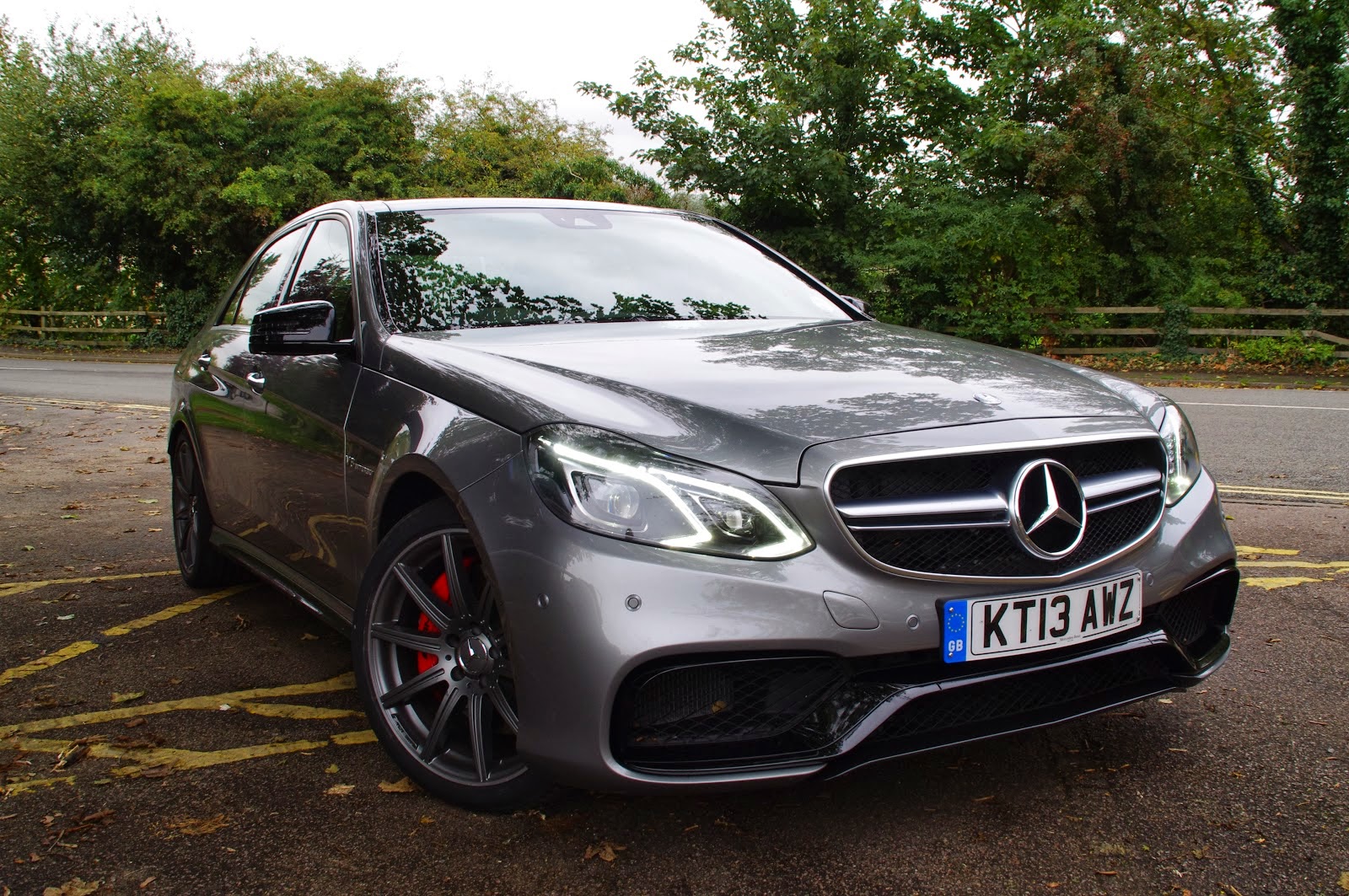
£70k - Mercedes-Benz E63 AMG


The E63 AMG is here so we can squeeze a fast saloon into the list. The C63 AMG is arguably the better performance car but Mercedes hasn't added the C63 to the new C-Class line-up yet.  The E63 AMG is powered by AMG's phenomenal 5.5-litre twin-turbo V8 and does 0-62mph in 4.2 seconds.  That'll do.

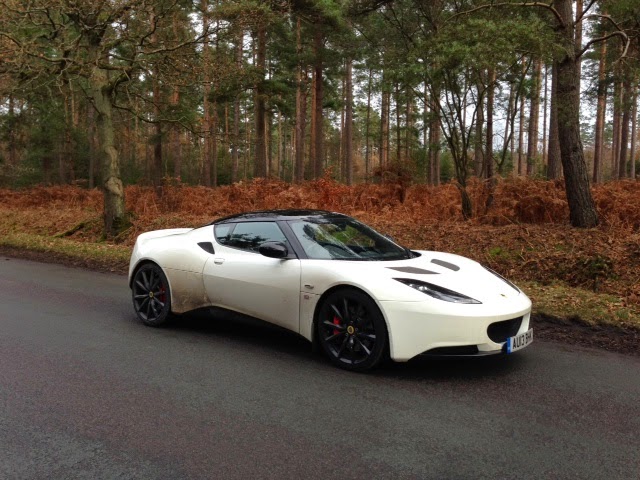
£60k - Lotus Evora S


This is tough territory for Lotus. At this price you could buy a well specced F-Type or Cayman but the Evora S offers something different. It's super quick and has the best steering, handling and chassis of any sports car but some parts of it feel a little bolt on (because Lotus doesn't have the resources to make its own satnav, stereo, air vents, engines etc). Having said that nothing else comes close in terms of rawness of driving experience combined with a superbly appointed interior.

£50k - Porsche Boxster/Cayman S


For this price you could have either a hard or soft top 3.4-litre, flat-6, mid-engined Porsche sports car.  Which way you go is down to personal preference but I'd opt for the Boxster S which takes little away from the driving experience but adds plenty on a summer's day.  Perhaps the definitive performance car(s) at the price and which threatens its £30,000 more expensive big brother, the 911, in terms of everything except a set of rear seats and image.

£40k - BMW 435i M Sport


An M4 costs £57,000 and has 431bhp. The 435i M Sport costs a shade over £40,000 and has 306bhp. The 435i looks great, has the sweet 6-cylinder engine is practical and spacious inside and drives as a performance BMW should.  It's a cracking car.

£30k - Audi S1


This was the hardest price band in which to choose a car.  £30k buys a lot of different cars - the Golf GTi, Toyota GT86 and Seat Leon Cupra are all outstanding but the Audi S1 wins by virtue of its sheer fizz.  The S1 has the VW/Audi turbocharged 2-litre engine stuffed into its tiny engine bay and with 230bhp, a sweet 6-speed manual gearbox, four wheel drive and an actual handbrake it's far and away the most fun hot hatch on the market. The interior is great too.

£20k - Ford Fiesta ST2


The interior design might be a bit plain and the looks aren't exactly sexy but the Fiesta ST is the best sub-£20k hot hatch on the market.  Ford has concentrated on making the ride and handling of its cars the best in class for some time.  Add in a sweet 4-pot engine, great gearbox and torque vectoring and the ST has the beating of the Clio 200 and Peugeot 208 GTi by a long margin.

£10k - Fiat Panda TwinAir


This was the hardest category simply because I've only tested two cars that cost less than £10,000 and they were hardly performance cars. The Dacia Sandero is simple, spacious, super cheap and very slow. The MG3 understeered worse than a supermarket trolley.  Speedmonkey's Colin Hubbard drove a Fiat Panda TwinAir on holiday and loved it, which is why it's our top recommendation for under 10 grand.

By Matt Hubbard