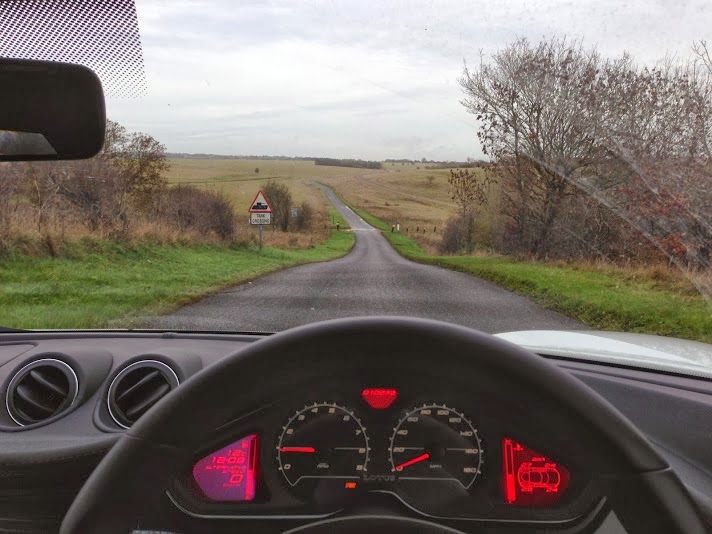
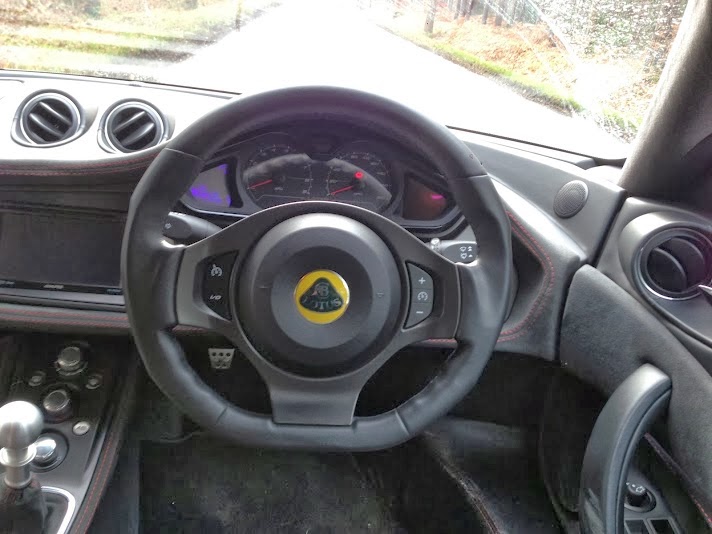
Showing posts with label Lotus. Show all posts

8 Jan 2016

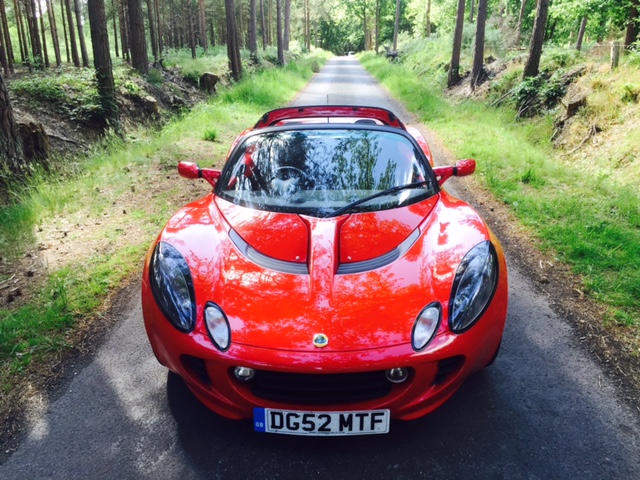
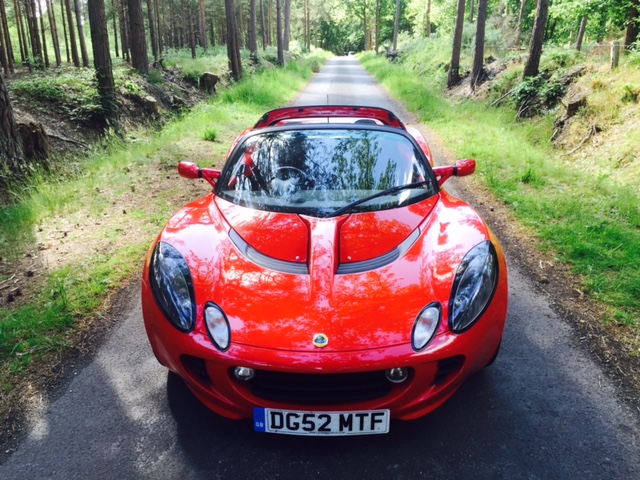
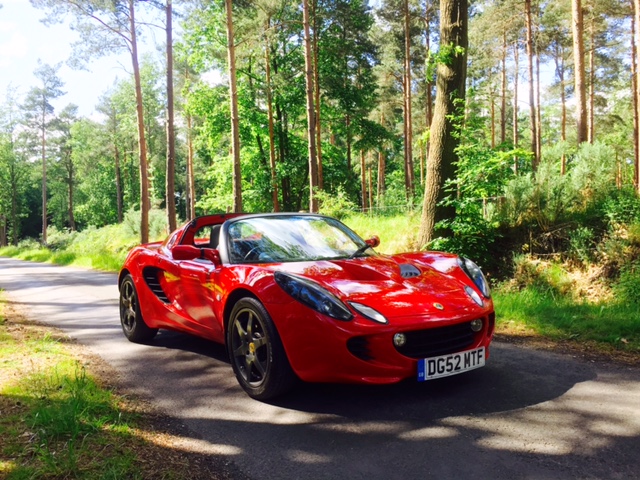
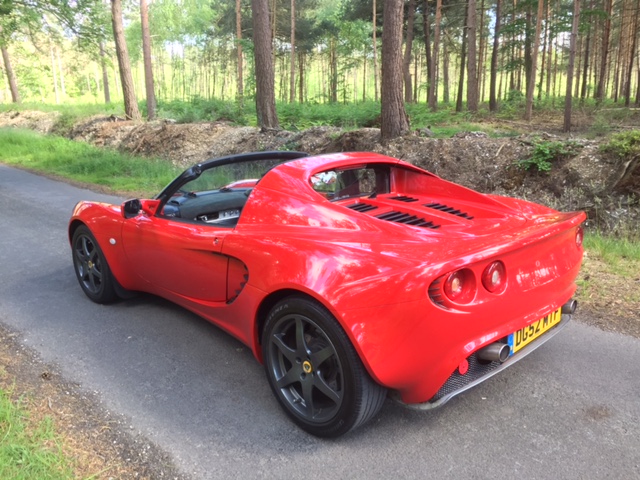
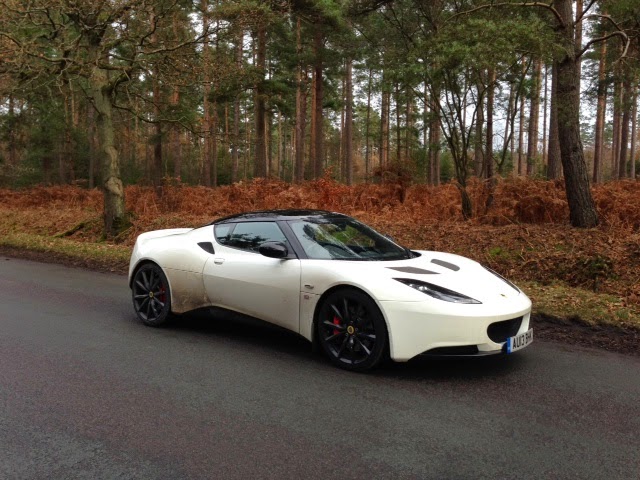
Yes I Am Selling My Lotus And Here's Why


Ever since I put my Lotus Elise up for sale people have been asking why I'm selling it. I reckon I've fielded fifty tweets and questions that always say the same thing, "You're selling the Lotus? I thought you liked it?"

I DO BLOODY LIKE IT! But I'm a petrolhead and I'm fickle and impulsive and prone to change my mind every few months. Or days. Or minutes.

I bought the Elise because my garage had space, I fancied the idea of a really quick, light sportscar and it represented a solid investment. The car I bought was in great condition and had a perfect service history and it was priced well. I couldn't lose. The price would rise over three years and then I'd sell it. That was spring 2015.

Then in November 2015 I was made redundant. This isn't a sob story. I got a new job fairly quickly but it did remind me that as well as the regular as clockwork lease payments for my 2015 Volvo XC60 I was paying a not insubstantial monthly amount for the Elise.

That made me think about money and monthly repayments and priorities and fripperies and that kind of thing. And besides I'd spent a chunk of my redundancy payment on a brand new Triumph Tiger 800 XCx, which arrives in a couple of weeks.

I love motorcycles. I like cars a lot but I've never loved one. The Elise is a great car but it does have one major flaw.

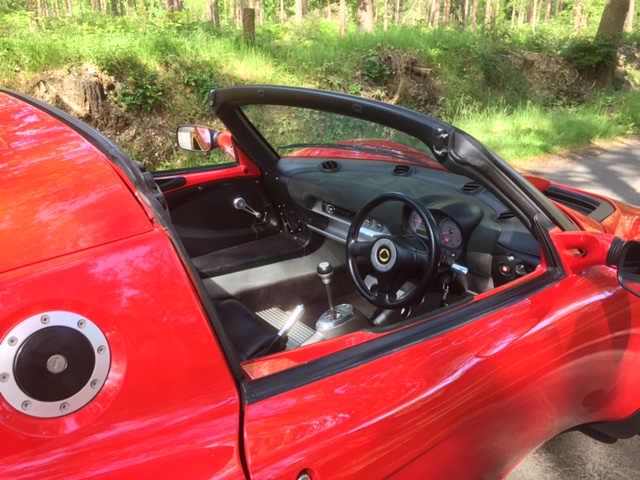
It only has two seats. That means I cannot take both my son and the dog anywhere at the same time.

Now you might say, "You knew that when you bought it!" Well, yes, I did. But I thought I could live with the compromise. But I cannot. I am 44 and at my age you are not wiling to compromise - where possible.

Also, I want my garage back. I want my motorbike to have lots of space to itself and I want space for more motorcycles in the future.

So in short I like motorcycles more than cars, I don't want to pay out as much cash, I want more seats and I just changed my mind because I'm like that.

Once it's sold I'll probably buy a Mini Cooper S for a couple of grand which means I can own it outright.

And I'll never buy a two seat car again.

I did enjoy the Lotus though. It was a cracking car. For a few months.

By Matt Hubbard


2 Oct 2015

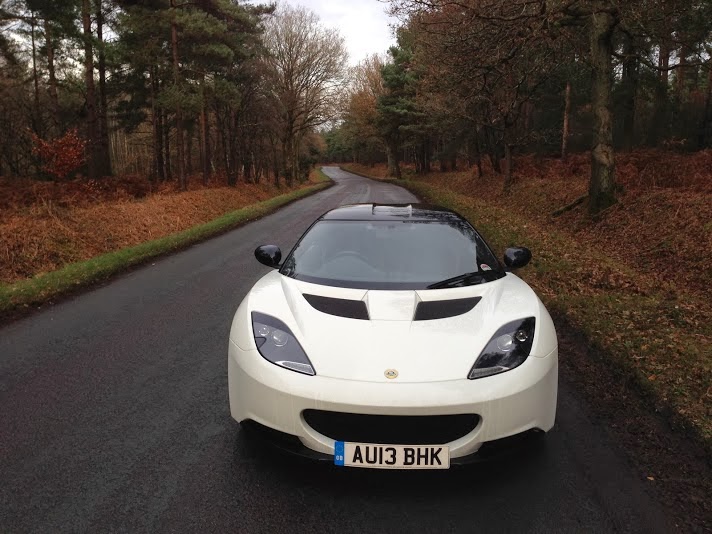
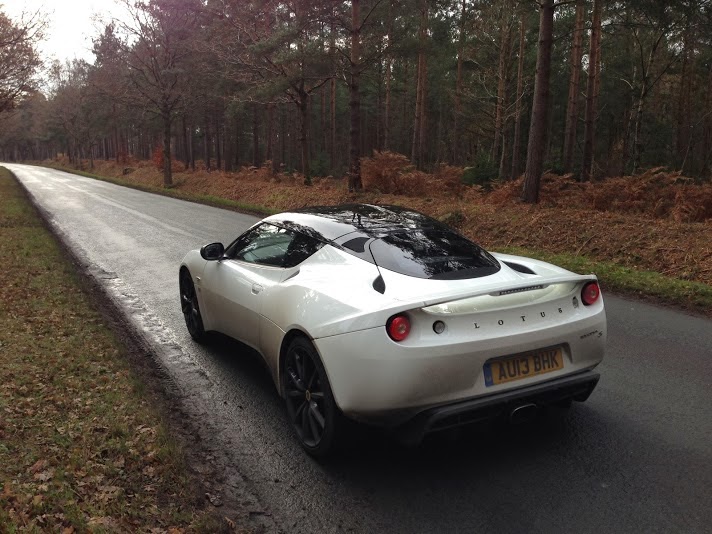
Lotus Elise S2 Review


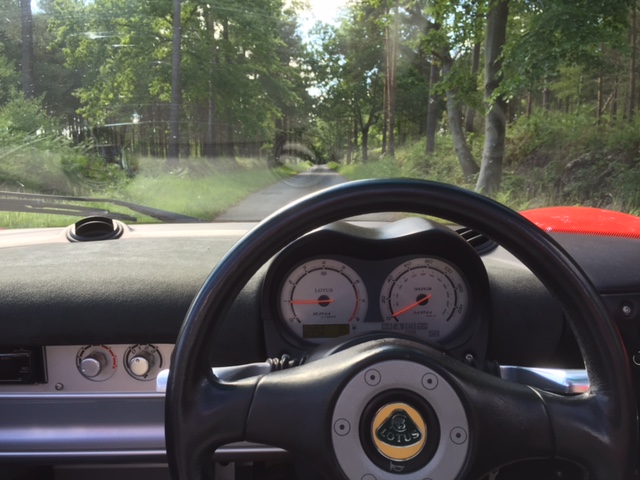
My day to day car is a 2015 Volvo XC60 which I love dearly. It's comfortable, sips diesel as if from a thimble and has a crystal clear and extremely powerful sound system. But when it comes to thrills n'spills it's only average.

I also have a motorcycle, a Triumph Street Triple, which I bought brand new in 2011 and which has 8,000 miles on the clock. 2,000 miles a year might not seem much but it isn't bad for a bike. I love the Triumph and ride it often, and it provides thrills n'spills in ample quantities.

But I'd been hankering for something else. I'd been hankering for a Porsche 911.

The 911 had always been my dream car. The object of my affection. My ultimate driving machine (to pinch a phrase from another of ze Germans). And 911s of the 90s era are seriously cheap.

You can bag a 996 911 for £8,000. Eight grand! That buys you a dark blue, rear engined speed machine with fried eggs for headlights, no glove box and an interior the colour of baby shit.

I wanted one. But then I remembered that 911s of that era come with a special engine that explodes itself to pieces unless you take it to a Porsche specialist and pay him many thousands of pounds to take the engine apart and build it as Porsche should have done in the first place.

So I didn't want a 911 any more.

And anyway my son said I was stupid if I didn't buy a Lotus Elise. He said the Elise is the best looking car ever made and that Lotus is the best car company ever. My son is 13 and when he was 11 he was driven round the Lotus test track at high speed in an Exige by a man called Darren, who is Lotus's senior engineer. He may be somewhat biased.

But he was right. I bought a Lotus Elise and it is the best car ever made.

The reasons for this are many but can be summarised in just one statistic. If you were to strap my motorcycle on to my Elise the combined weight of the resulting six wheeled monstrosity would be less than one single, measly Mazda MX5.

My 2002 Elise has the bog standard Rover K-Series 1.8 litre engine, manually winding windows, a passenger seat that is bolted to the floor and an accelerator pedal modelled on the head of a pin and as such it weighs 720kg.

The Street Triple weighs 160kg. A Mazda MX5 of any age weighs more than 1,000kg. Fat, lardy bastard thing.

A bog standard £8k Porsche 911 weighs 1,350kg. That's almost double what the Elise weighs.

This lack of weight is felt everywhere. For a start it is felt whilst sitting in it. It is felt in the extremely thinly cushioned seat, which adjusts about 4 inches backwards and forwards - and that's it.

The seat is supportive and lends itself well to spirited driving, which is something the Elise excels at. The cast aluminium Rover 4-pot chucks out a measly 115bhp but this is plenty enough as it hurls the Lotus from 0-60 in 5.6 seconds.

You need to be good at changing gear to match that though. The gearbox is the Elise's worst feature. It doesn't like being hurried. Get it right though and acceleration is supremely swift.

The driving position is snug. The car is essentially an aluminium bathtub chassis on to which a GRP body is glued. The chassis dictates everything about the shape of the car and where you fit in it. The sills are high and wide (which makes getting in and out comically difficult) and the footwell narrows to almost nothing where your feet should go.

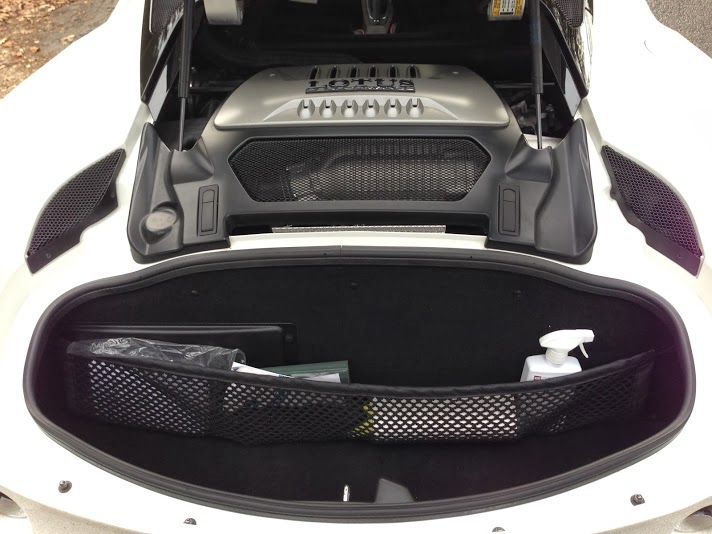
You need to be friendly with your passenger as your elbows will overlap, and neither of you had better bring any luggage. The boot (behind the engine) is tiny and the storage space in the cabin pretty much non-existent.

The steering wheel doesn't adjust (did you really think it would?) but it, the pedals, the gearstick and the seat align themselves in such a way you wouldn't want to change any of them - unless you were quite tall or quite short in which case the Elise isn't the car for you. Go buy a lardy old Porsche, freak.

Fire up the engine and you realise it wasn't tuned to make a great noise. It's just there and sounds about as good as  the same unit in a Rover 45.

The first time you pull away you drive like an 89 year old with arthritic feet who's forgotten his glasses. The throttle needs a hefty push, the clutch bite point is hard to find.

Tune yourself to the car some more and getting away from the line becomes easier, but expect a degree of pogoing when in a traffic jam.

The steering has no assistance but doesn't feel like it needs any. The front tyres are quite narrow and did I mention how light the car is? The brakes don't have any assistance either, but you do sometimes wish they did.

Aside from pulling away from a standstill driving the Elise is a doddle - as long as you aren't an 89 year old with arthritis, or aren't freakishly tall or short. Or aren't too fat to fit in it.

The steering is light and wonderfully fluid. The Elise is legendary in this regard and with good reason. Quite simply it is sensational. You feel every undulation of the road yet the compliant suspension irons out irregularities. Darren did an amazing job when he engineered Mr Chapman's legacy.

The engine doesn't make much noise or power but it doesn't need to. The Elise is fast everywhere. Visibility is great and the controls are the most intuitive of any car I've ever driven.

The brakes are wonderfully competent and deliver great feel, although you need to push hard on the pedal to make them work. The discs are drilled and never give up their bite, even after many miles of hard driving.

The roof is a canvas affair that rolls up and lives in the boot when you're not using it. Putting it in place takes around 2 minutes. It is a bit of a pain in the arse. With the roof off the Elise feels light and airy and wonderful and lovely and fun. With the roof on the Elise feels very, very snug. Almost claustrophobic if you suffer from that kind of thing.

You remain dry until it rains. You'll stay dry if you drive at under 50mph. Above that and the roof's limitations are revealed. Water enters at the top of the windscreen - the traitorous roof lifts to expose your dry head - and proceeds to pelt you in the face with water at high speed. This is funny the first time it happens. After that you resolve not to drive your Lotus in the wet.

I bought my Lotus Elise as a plaything. I do drive it whenever I can. It is impractical but it has proved to be reliable. I have as much fun driving it as any car I've driven (quite a lot). I like it a lot and so would you if you bought one, and weren't built in such a way as you couldn't fit in it.


By Matt Hubbard


2 Feb 2015

Power Is Not Always The Answer - Why A Light Car Is A Good Car

Fast cars are brilliant, powerful cars are enormous fun. But you can experience just as much of a thrill in something with not much power.


Speed is generally equated with outright pace in a straight line. Take one car, give it fat tyres, fit a huge lump with oodles of power under the bonnet and hey ho let's go! That's the recipe for a good time, isn't it?

Yes it is. But only some of the time. In fact only a small amount of the time.  Humungous power is great at the drag strip or on a wide, open track but on a normal road, in normal (British) weather you can't use most of the power at your disposal.

A Porsche 911 Turbo has 520bhp, four wheel drive and four wheel steering. Driving it makes the hairs on the back of your neck stand up, but on the road you'll only ever drive it at 50% and even then you'll be flouting the law.

Step down a few rungs and the 336bhp, rear wheel drive Cayman GTS provides more useable thrills on the road. But it's still overpowered for day to day driving.

The Cayman GTS, 911 Turbo, Jaguar F-Type V8, Audi R8, Mercedes C63 AMG and other cars with a decent amount of feel at the wheel and truck loads of power at the wheels are frankly over endowed for everyday driving on normal roads.

The reason for this is the disconnect that comes from too much power, too much weight and too much  size for roads with speed limits, hedges, SUV-run mums, kerbs, pot holes, hopeless taxi drivers, pensioners in Skodas, mud in the road and all the other crap that's thrown at us whilst we're minding our own business whilst pushing our car to the limit.

And that's just the point. The limit of all the above cars is way higher than normal road conditions allow.

Instead you need something smaller, lighter and less powerful.

You need enough power to overtake a Jazz but not so much power you can't slam your foot down immediately post the apex of a corner without end up 100 yards into a field.  You need enough feeling at the wheel that you know the leaves your front wheels are riding over are oak and not sycamore. You need to know if your rear tyres have slid 10mm, 6 inches or 3 feet.

Even if your V8 powered supercar has four wheel drive you can still overdo it quite easily, four wheel drifts into a jagged kerb are relatively straightforward when enough power is applied at the wrong point in the rain. Or between October and March.

I want to be able to make a complete hash of it and know that if the car cuts loose it does so slowly enough and with enough warning I can correct the slide before I end up embedded into the 44 tonner coming the other way.

What are these mythical cars we can drive to the limit without fear of damage or injury to ourselves or the car itself?

You won't be surprised to hear that you can drive pretty much any hot hatch as hard as you like and still have enough control to throw it with enthusiasm around the lanes, down an A-road and down that gravel track that leads to the local woods that you're not meant to go down but sometimes you do.

The Golf R is the apex predator of the hot hatch world but for sheer chuckability any of the recent Renaultsport Meganes, an Astra VXR or Fiesta ST have the perfect blend of power, grip, balance and poise to make that grimace turn into a grin.

But you don't even have to splash out £25k on a hot hatch to experience the thrill of flinging a motor vehicle around the Queen's highway in such a fashion as you enjoy the experience and don't end up eating hospital food at the end of the journey.

All you need are enough brake horses to pull the skin off a rice pudding, less weight than two race horses and a steering system that transmits the specification of tarmac the council ordered up your finger tips and through your bum to your brain. Oh, and suspension that means the car won't fall over when you turn a corner.

What you want is to be able to lose the front, lose the back, catch the skid, and gain enough experience of your car on the road that you have enough data in your grey matter that you know that next time you can get within 99% of the car's limit.

And you can do that in a lot of differing, and quite cheap, cars. Mazda MX5, any old Porsche (the front engined ones have perfect 50/50 balance), Golf GTi Mk2, Mini Cooper S, Clio 182 - all will give you all you need.

Lotus have known this all along which is why the venerable Elise is still bought by enthusiasts who know their onions but aren't bothered about having somewhere to put their weekend bag. Toyota cottoned on to the idea too which is why the GT86 is so good. Caterham haven't ever stopped making cars that are perfect for people who like to drive with a degree of finesse.

Fast, loud, powerful cars are brilliant but small, light, not quite so powerful cars can be just as entertaining on the real roads we drive on every day.

By Matt Hubbard


16 Oct 2014

Lotus Exige V6 Roadster Review


Forza Auto is owned by Dave Tillyer. Dave occasionally tests some decent machinery and records video reviews.

This is his Lotus Exige V6 Roadster review.


15 Sept 2014

For Cars Companies As For Rock Bands

I often write articles in my head during long journeys. Not many of these end up getting written and published as they're often rubbish or I forget what the crux of it was.  This time, however, the idea stayed with me and, in hindsight, it doesn't seem too mad.


The car industry is long established. The market is made up of a few majors players who have survived world wars, recessions, mergers, poor product and mega-recalls to exist in 2014.  Similarly music has a handful of stars who have defied the odds just by carrying on.  This column looks at the similarity between car manufacturers and their musical counterparts.

Let's start with an easy one.  Iggy Pop first came to prominence in the 60s. He was innovative and influential, his work appealed to a niche audience but everyone had heard of him.  His sound was spiky and raw but other musicians were influenced by his style, and even ripped off his songs, which helped grow the Iggy brand.  He would have faded away a long time ago had not several collaborations and outside influencers revived him at various points in his career.  For Iggy read Lotus cars. Both of them are still around today, everyone has heard of them and admires them but few buy the actual product.

Moving on to a bigger name - Porsche.  Again, hard edged but with more of a commercially accessible nature than Lotus.  Porsche has evolved glacially, growing steadily, until mega-success saw them become one of the biggest players in the worldwide car market - despite their core product, sports cars, being very much a niche.  Metallica has a similar career path to Porsche. They've been around a long time but have stuck at the same formula, with little derivation, yet they've grown to become one of the biggest bands in the world - witness their recent headline slot at Glastonbury for evidence of that.

Back to a smaller player - Subaru. Once a worldwide name they made a few disastrous choices and, despite the fact the cars are good, slipped into relative obscurity, just as Prince has done.  Both Subaru and Prince are still plugging away with new stuff but neither seems to be able to make their way back to the top.

The next pair have both seen huge success and have both been wildly hyped, for good reason as they were both great.  They were loved by journalists and the public alike and are still remembered fondly.  But that greatness has faded into a shadow of what it once was as the components of what made them brilliant have disappeared so that today only a fraction of the substance still exists. Guns N'Roses and Alfa Romeo - we all want you to be as good as you once were but sadly you are not.

How about Jaguar and Iron Maiden, surely I can't find a link between those two?  Oh, I can.  Both have several distinct phases to their careers.  Both had a period when they were considered the best in the world at what they did. Their stars shone bright and what they produced back then is still considered classic and brilliant.  Then due to infighting, lack of new ideas and trading on the same old same old for too long they fell into a period not so much of obscurity but certainly of inferior product and fallen sales.  But they both pulled through spectacularly to achieve a third phase with the best cars and music they've ever made, eclipsing their earlier work and making them more money than they ever had before.  It doesn't hurt that Maiden's drummer is a huge Jaguar fan and had a bespoke XKR-S built for him by Jaguar's SVO.

Volkswagen has been around for donkey's years. Aside from in the beginning they've never been particularly innovative but have always been there and have sold cars by the bucketload by sticking to a tried and tested formula to become one of the world's biggest brands, just like the Rolling Stones.

Another band who've been around for a long time and have ploughed the same old furrow is Motorhead.  Everyone's heard of them, but by not making mainstream product hardly anyone bought their records.  Perseverence and sheer will, with a large dose of belligerence, has meant they've never been signed by a major label and are still resolutely independent. Their core audience, though, adores them and keeps coming back for more despite the fact the formula is largely unchanged.  That's pretty much the formula that has kept Morgan in business for decades.

I could do a lot more of these but it is probably time to end. Despite what I said at the start of the article it probably was a mad idea. Hope you enjoyed it.
A detail from Nicko McBrain's Jaguar XKR-S

By Matt Hubbard


24 Jul 2014

The Ten Best Performance Cars For Under £100k (At £10k Intervals)

Speedmonkey has driven and written about an absolute ton of sports and performance cars. I thought it was high time I sorted out the best sports and performance cars to buy for a given budget.


From £100k to £10k in £10k intervals I've listed the best performance car you can buy in each price band.

£100k - Porsche 911 GT3


The Porsche 911 range starts at £70,000 for the Carrera and goes all the way up to £150,000 for the Turbo S cabriolet.  It would be easy to fill every price band in this article from £70k upwards with a 911 but that'd be boring so I've opted for the sweet spot in the 911 range, which is handily priced at £100,000 - the GT3.  Yes it's an automatic (well, double clutch PDK) and has electric power steering but now the spontaneous combustion issue is sorted the 911 GT3 is simply the best sports car you can buy for a hundred grand.

£90k - Maserati GranTurismo Sport


At nearly 1,900kg the Maserati isn't exactly nimble but it is fast and it's powered by a naturally aspirated Ferrari-built 4.8 litre V8.  Oh, and it looks sensational and seats four in comfort and with lots of legroom.  Speedbumps have to be taken gingerly and the doors are so long you can't park in a normal space and expect to get out of it but who cares. It's a fabulous car.

£80k - Jaguar F-Type V8 S


For £80,000 you get the convertible F-Type V8 S. If you want the coupe you'll need to spend an extra £5k on the V8 R.  Either way you're getting the most beautiful sports car on the planet, with a superb chassis, an interior bedecked in leather and Alcantara and 500bhp (550bhp in the coupe) of V8 that sounds downright awesome and could pull the roof off a rice pudding factory.

£70k - Mercedes-Benz E63 AMG


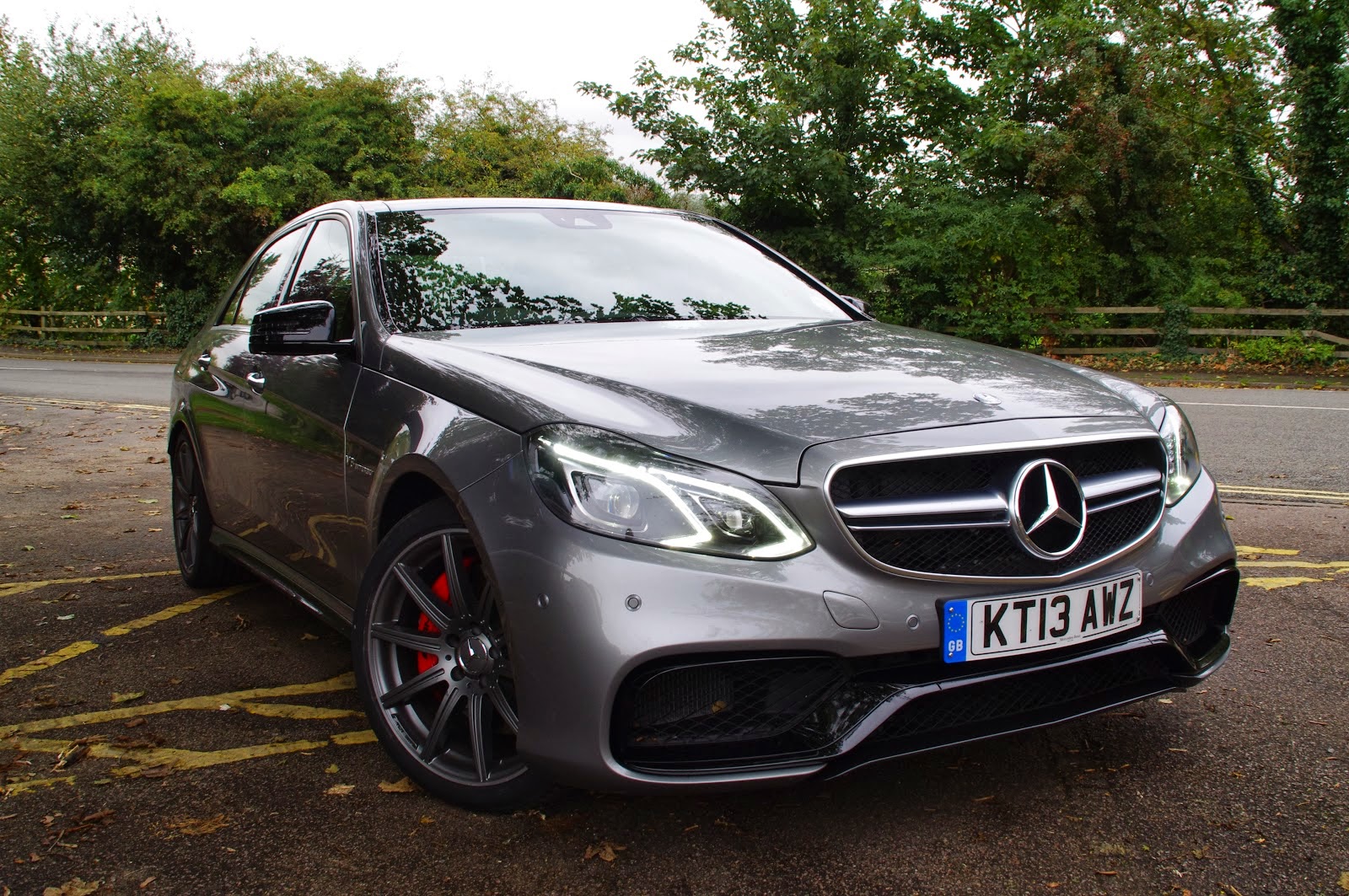
The E63 AMG is here so we can squeeze a fast saloon into the list. The C63 AMG is arguably the better performance car but Mercedes hasn't added the C63 to the new C-Class line-up yet.  The E63 AMG is powered by AMG's phenomenal 5.5-litre twin-turbo V8 and does 0-62mph in 4.2 seconds.  That'll do.

£60k - Lotus Evora S


This is tough territory for Lotus. At this price you could buy a well specced F-Type or Cayman but the Evora S offers something different. It's super quick and has the best steering, handling and chassis of any sports car but some parts of it feel a little bolt on (because Lotus doesn't have the resources to make its own satnav, stereo, air vents, engines etc). Having said that nothing else comes close in terms of rawness of driving experience combined with a superbly appointed interior.

£50k - Porsche Boxster/Cayman S


For this price you could have either a hard or soft top 3.4-litre, flat-6, mid-engined Porsche sports car.  Which way you go is down to personal preference but I'd opt for the Boxster S which takes little away from the driving experience but adds plenty on a summer's day.  Perhaps the definitive performance car(s) at the price and which threatens its £30,000 more expensive big brother, the 911, in terms of everything except a set of rear seats and image.

£40k - BMW 435i M Sport


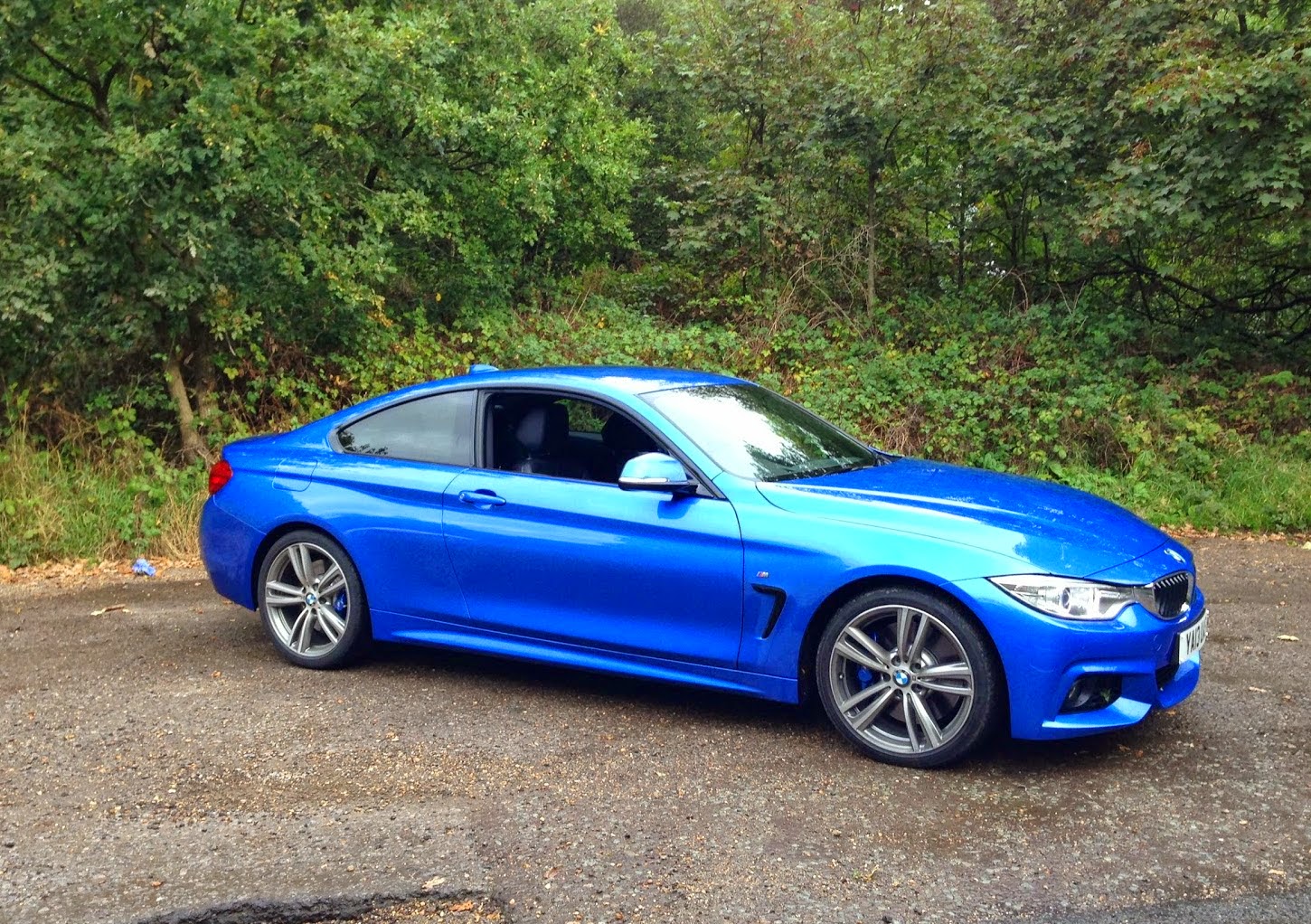
An M4 costs £57,000 and has 431bhp. The 435i M Sport costs a shade over £40,000 and has 306bhp. The 435i looks great, has the sweet 6-cylinder engine is practical and spacious inside and drives as a performance BMW should.  It's a cracking car.

£30k - Audi S1


This was the hardest price band in which to choose a car.  £30k buys a lot of different cars - the Golf GTi, Toyota GT86 and Seat Leon Cupra are all outstanding but the Audi S1 wins by virtue of its sheer fizz.  The S1 has the VW/Audi turbocharged 2-litre engine stuffed into its tiny engine bay and with 230bhp, a sweet 6-speed manual gearbox, four wheel drive and an actual handbrake it's far and away the most fun hot hatch on the market. The interior is great too.

£20k - Ford Fiesta ST2


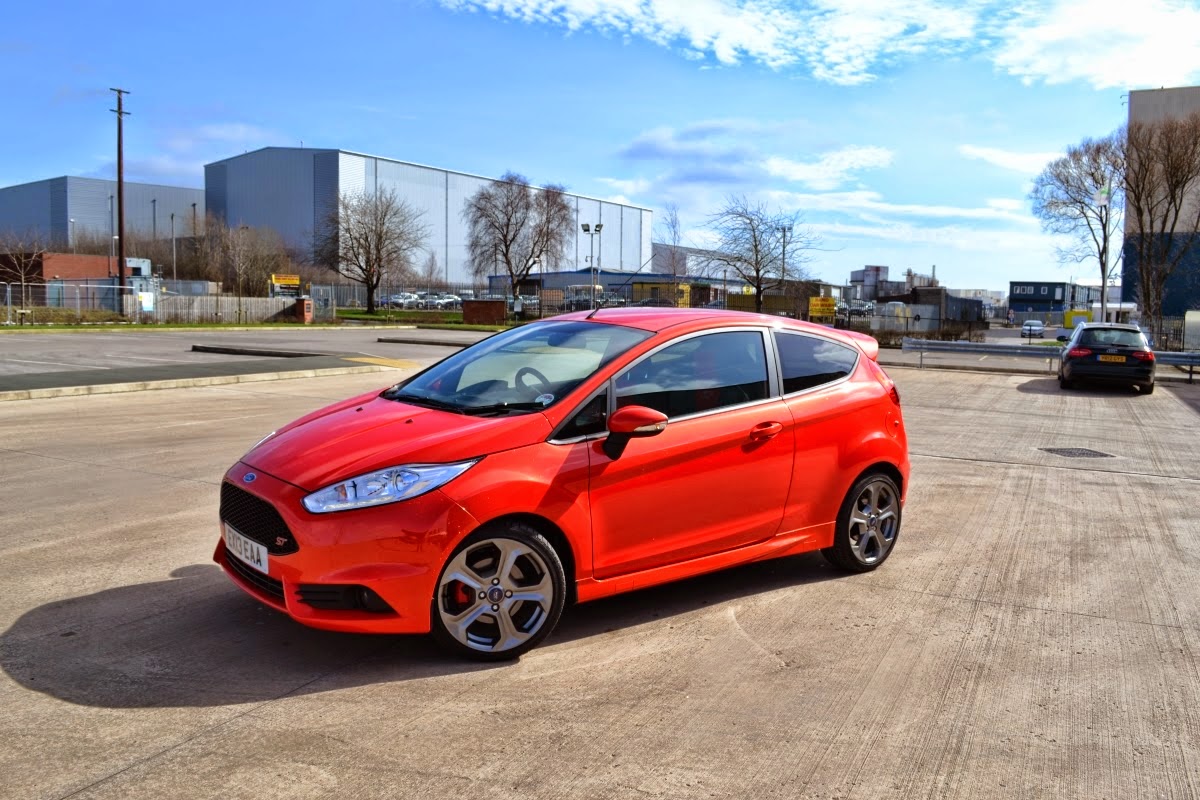
The interior design might be a bit plain and the looks aren't exactly sexy but the Fiesta ST is the best sub-£20k hot hatch on the market.  Ford has concentrated on making the ride and handling of its cars the best in class for some time.  Add in a sweet 4-pot engine, great gearbox and torque vectoring and the ST has the beating of the Clio 200 and Peugeot 208 GTi by a long margin.

£10k - Fiat Panda TwinAir


This was the hardest category simply because I've only tested two cars that cost less than £10,000 and they were hardly performance cars. The Dacia Sandero is simple, spacious, super cheap and very slow. The MG3 understeered worse than a supermarket trolley.  Speedmonkey's Colin Hubbard drove a Fiat Panda TwinAir on holiday and loved it, which is why it's our top recommendation for under 10 grand.

By Matt Hubbard


10 Jun 2014

This Is The Lotus Exige LF1 And It Looks Damn Good

Lotus is releasing 81 limited edition Exige LF1s to celebrate its 81 F1 victories.

Lotus Exige LF1

Lotus the car company and Lotus the F1 team are different companies. Lotus Cars used to own and run Team Lotus, and still runs a fleet of old Lotus F1 cars from a building next to the main factory in Hethel.

The Lotus Exige LF1 is a celebration of the 81 victories by cars bearing either Lotus name in Formula 1.  Each car will be numbered after one of those victories.

The LF1 gets a colour scheme inspired both by the classic John Player Special black and gold livery and the modern F1 team's colours.  The Exige is a pretty handsome car in the first place but it looks even more special in its LF1 colour scheme.

The LF1 is based on the Exige S so is a brilliant drivers car (read our road test here) and will cost £10k more than the S, at £62,900.

On top of the livery the interior is unique to the LF1 with the black and gold design as well as Lotus F1 logos on the headrests.  The Exige Race Pack, Dynamic Management Performance System, Pirelli P-Zero Trofeo tyres, Matt Gold 5-spoke alloy wheels and two piece race discs are included as standard.

Owners also get a factory tour of both the F1 and Lotus Cars factory as well as membership of the Exige LF1 club.
Lotus Exige LF1

Lotus Exige LF1

Lotus Exige LF1

Lotus Exige LF1

By Matt Hubbard


24 Mar 2014

Why Sports Cars Are Ace

The first sports car was arguably a Vauxhall.  In 1910 Vauxhall Motors built three versions of a car called the C-10 which was designed to run in the Prince Henry Speed Trials in Germany.


In 1911 the car was launched to the public as the Vauxhall Prince Henry.  It was 4 metres long, weighed 1250kg and produced 60hp.

Later in 1911 a company called Austro Daimler released a replica of the Vaxhaull Prince Henry and called the it the Prinz Heinrich.   The Austro Daimler version was subtly altered from the Vauxhall version by the company's chief designer Ferdinand Porsche.

The Prince Henry was a convertible but sports cars can either be open tops or coupés.  Incidentally the word coupé is the French word for cut.  In the 19th century some horse drawn carriages had four seats.  Those at the front faced backwards and those at the rear forwards.  Carriages that had the rearwards facing seats removed and the body shortened were called coupés as the body itself had been cut to make the carriage smaller, lighter and faster.  A coupé which had no roof was known as a coupé de-ville.

Ever since then sports cars have come along in leaps and bounds and today Porsche is perhaps the name most synonymous with sports cars.

Most car manufacturers produce at least one sports car and some produce nothing but sports cars.

Sports cars have always been popular but unfortunately few people actually buy one so they have are also something of a niche product.  By their very design sports cars are considered impractical by many drivers.  The rear seats are either non-existent or tiny, the engines are usually built for speed and some people don't like to sit so low to the ground.

Defining what a sports car is can be difficult.  It's almost easier to say what isn't a sports car.  A diesel is not a sports car.  A front wheel drive car is not a sports cars.  Just because it has coupe in the name does not necessarily a sports car.  Not all convertibles are sports cars.

By those definitions an Audi TT is a sports car but a TT TDI is not because it has a diesel engine. It is merely a diesel coupé (or convertible).  Same goes for a front wheel drive TT.  Mercedes' SLK is a definitive sports car, but not with a diesel engine.

Similarly a BMW X4 or X6 may be called a coupé by the manufacturer by they are most definately not sports cars.  A Golf convertible is not a sports car as it is front wheel drive.

In 1981 the Toyota Celica went from being a four door saloon to a rear wheel drive coupe and it turned into a sports car.  In 1985 a new Celica was launched. It looked more sporty than the old model but was front wheel drive.  It then ceased to be a sports car and was merely a coupé.

But being a rear wheel drive coupe or convertible is not enough.  The rather rakish Rolls Royce Wraith is a rear wheel drive coupe and the Bentley Continental is a four wheel drive convertible and coupe.  Both are laudable cars but neither is a sports car.  They are too big and heavy.  They are grand tourers, as is the Maserati GranTurismo.

A sports car is low, a sports car is rear (or possibly four) wheel drive, a sports car is light, a sports car is impractical, a sports car handles better than a saloon, a sports car looks good and makes the driver feel good, a sports car attracts the stares of passers by and a sports car is desired by the man or woman in his or her company eco-box saloon.

Many sports cars are powerful and ultra-fast.  Some, such as a Porsche 911, are designed to go round a circuit quickly and others, such as the Jaguar F-Type are designed as much for the sense of joie de vivre they engender on the occupants as the speed they are capable of.

Some sports cars don't have much power yet hold just as much credence in the sports car genre as their more powerful brethren.  A 63bhp Suzuki Cappuccino is every inch a sports car as is the 130bhp Mazda MX5 and the 200bhp Subaru BRZ.

People buy a non-sports car for various reasons.  Some like SUVs because of the high riding position but I find being low down gives more enjoyment and is more empowering on the road than sitting up high with all the other clones.

Some buy a car for its space, but if you don't actually use those rear seats or boot that much then why lug around all that extra weight with it's impact on efficiency, handling and economy?

Some buy a car for it's low tax and economy.  Sports cars can be economical if you look around.  A BMW Z4 sDrive18i might not be the most dynamic but it is a sports car yet it returns 41mpg and produces 159 g/km of CO2.  And it does 0-60 in 7.9 seconds.

Lotus make some of the best sports cars on the planet.  The £29k Lotus Elise does 0-60 in 6 seconds, returns 45mpg and produces 149 g/km of CO2.  That's more efficient than even the most economical SUVs, and it'll put a big smile on your face every time you get in it.

Sports cars are brilliant.  They bring enjoyment, they look great and they give one a sense of inner peace.

I urge you to ditch that econobox and buy a sports cars.  There's one to suit every budget.

I've driven lots of sports cars.  You can find all the reviews here.  My favourites are the Lotus Evora,  Jaguar F-Type V8 S, Subaru BRZ, Porsche 911 and my own Porsche 924S.

By Matt Hubbard


19 Feb 2014

The Top Ten Best Handling Cars I've Driven

In the last couple of years I've driven more than a hundred cars.  Prior to that I must have driven more than 40.  Here is my top ten best handling cars.


Handling, to me, doesn't necessarily mean how fast a car can go round a corner.  It's something a little more ethereal than that.  Handling is about steering feel and sharpness, the sensation communicated through all those parts of the driver that touch the car, the warning the car gives you before it loses grip completely, how fast it loses that grip and the grip level itself.  Handling is a combination of factors that deliver a sensation that you can push a car to the very edge it's limits - and have fun whilst doing so.

1 - Porsche 911 (991) Turbo


I drove this on track at Silverstone in late 2013.  In my review I said: "The confluence of active aero, ceramic brakes and rear wheel steering means you can drive heroically. The rear wheel steering is not felt on turn in or through the corner but come out of a corner, mash the throttle and you feel the rear end moving. It adds a degree of emotion, never mind speed, to driving the car. Nail a corner exit and the Turbo rewards with a squatting and sliding of the rear end and a perfect punch on to the next straight."

2 - Lotus Exige S Roadster


I drove the Exige on track at Hethel in 2013.  All Lotus' handle heroically well but the Exige is numero uno: "The Exige S Roadster is an amazing car at the limit. You can feel it moving around underneath you, yet all the while it stays on the road and pointing the right way."

3 - Jaguar F-Type S


I drove the F-Type on the road in 2013.  It's not an outright track car but it's amongst the best on the road: "It corners magnificently but its true skill is in mid-corner direction changes. Give the direct steering a flick one way or anther in a corner and you can feel the chassis turn on its axis with very little in the way of pitch. It feels alive, agile and controllable."

4 - Renaultsport Megane 265


I drove the Megane in early 2013 on the road.  It's my favourite front wheel drive car:  "Amid the frantic delivery the chassis copes well. Scream into a sharp corner, change into 2nd as you enter, foot heavily on the brake pedal, turn in, foot on accelerator, ESC copes with tyre slip, tiniest amount of wheelspin from inside wheel, eyes on next apex. Never revs. Don't look down."

5 - BMW 435i M Sport Coupe


I drove the 435i in late 2013 on the road: "The 435i's chassis allows you to feel where the front and rear of the car is going, and to work with it. Rounding corners or roundabouts and the rear wheels want to push the back out just a tad. You feel it and apply just enough throttle to lean on the rear. From the outside this angle of oversteer would be invisible but it's satisfying and rewarding to work with."

6 - Mercedes-Benz C63 AMG Black series


I drove this in 2012.  It's the best handling Mercedes I've ever driven: "...when you reach the open road, the C63 AMG Black series basically turns into a race car. Precise steering, instant throttle response, brakes that stop in an instant and never fade. But a race car without a harsh ride and banging and rattling as you feel every bump in the road with your spine. This is a race car that smooths out the imperfections and cossets your ego."

7 - Lotus Evora


I had an Evora on a weekend long test in late 2013: "Feedback through steering, and seat of the pants, is scalpel accurate. Combine this with the fact the car isn't too wide and it makes for an ideal road hooner whereby placement is accurate and confidence is high."

8 - Porsche 924S


This is my own car. It's amazing fun to drive: "You feel the road through your fingertips, your feet, your bottom. You communicate with the 924. This is when you know you are not in a Volkswagen but a true Porsche."

9 - Subaru BRZ


I had a BRZ on a week long test in summer 2013: "The BRZ is the best car I've ever driven for sheer naughty mucking about in a car. Its toolkit of fun is chock full. It feels light, like you can throw it around, yet you never get out of control. The car will oversteer through power alone in the first three gears. It responds nicely to a Swedish flick."

10 - Porsche Cayman


I had a Cayman on a four day test in Autumn 2013: "That interactivity runs through the entire driving experience, from the firm seats, the noisy cabin, the bolt-action gearbox, the need to manage the engine yourself, the ride quality. In an era when electronics are taking over the Cayman is a, or possibly THE, driver's car."

By Matt Hubbard


23 Jan 2014

Has Volkswagen Backed The Wrong Technology?

All Volkswagen group cars will feature a chassis mainly made from hot formed steel.  Has VW given its cars a weight disadvantage?


The Volkswagen group makes many and varied cars, and introduces new ones frequently.  In order to make more new cars, introduce them more frequently and save money whilst doing so the company has introduced a number of basic platforms on which all its cars will be built.
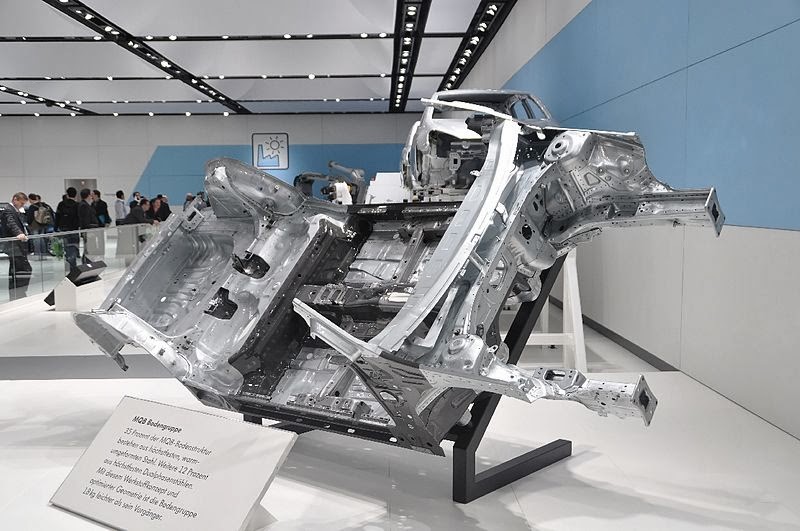
Volkswagen's MQB platform

The MQB platform pictured above forms the basis of the current Golf, Octavia, Leon and A3 and is expected to be used for the new Scirocco, Caddy and a whole host of other cars.  Similar platforms serve the lower and higher end of VW products.

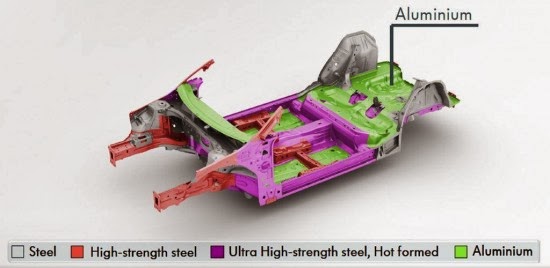
Now take a look at the image below, from www.autoindustryinsider.com.  As you can see the majority of materials used in the MQB platform are various grades of steel.
VW MQB platform material components
Steel is heavy.  In hot formed basis (high-strength) it is dense, immensely strong and very heavy.  It is also quite cheap compared to aluminium.

Now look at the following two photos, which I took.  The top one is a Jaguar F-Type chassis and the bottom one is a Lotus Evora chassis.  Both are almost entirely made from aluminium.  In fact the Evora only has a steel subframe to accommodate the engine at the back, because steel has better heat absorbing qualities than aluminium.

It may or may not be coincidence but these two cars are the best handling of any I have driven since starting Speedmonkey back in June 2012.  In that time I've driven upwards of 70 cars.

Both allow a higher degree of control on the road than others because they allow you to feel the road better than other cars.  In my mind this is due to the stiffness of the aluminium chassis which allows the engineers to better set up the suspension.
Jaguar F-Type aluminium chassis

Lotus Evora aluminium chassis

The Evora and F-Type aren't as light as you might expect.  The Jaguar weighs 1614kg and the Lotus weighs 1436kg.  But both have large capacity V6 engines, and a supercharger, and they are both high-end cars so come trimmed in leather and Alcantara, the seats are comfy and that's before we start on the tech and associated wiring.

Using a very similar chassis the Lotus Elise weighs 876kg.  It uses a 1.6 litre engine and has much less in the way of luxuries.  In other words the Evora's weight is down to engine, luxury and tech, and largely the same can be said of the F-Type.

When Jaguar's new hotfire engines come on stream and a lightweight 4-pot is slotted into the F-Type it will weigh a lot less than it does now with it's V6 and V8.  Ditch some of the luxury and it'll handle even better than it does now.

The MQB platform might be cheaper to make but by using hot formed steel it comes with a built-in deficiency - more weight.  And when it comes to weight lightness is good and heaviness is bad - for speed, efficiency, handling and eco-credentials.

Volkswagen has invested billions of euros in its platforms.  But has it backed the wrong material technology?

By Matt Hubbard

28 Dec 2013

Lotus Exige S Roadster - Track Test Review

Matt Hubbard drives the 2013 Lotus Exige S Roadster at Lotus' Hethel Test Track

Lotus Exige S Roadster

The Exige S is Lotus' track focussed car.  Well, Lotus most track focussed car.  The Exige started out in 2000 as a hardcore, track only version of the Elise and has transmogrified over the years into this, the Series 3.

The Series 3 was launched in 2012 and instead of sharing the Elise's engine it gets the Evora's 3.5 litre V6 - complete with a supercharger.  It grew 25cm from the Series 2 in order to accommodate the V6, and put on a bit of weight as a result.  It now stands as a completely different car, with its own chassis, from the Elise and Evora.

The car I tested is the 2013 Exige S Roadster in Ardent Red with Ivory White leather.  It's a two seater and the engine sits right behind the occupants.  The entire chassis is constructed from aluminium, although it has a steel subframe where the engine is mounted, and the various components and panels are bolted on to it.

The Exige S, like all Lotuses, is designed and manufactured on site in Norfolk.  It weighs 1166kg and the engine produces 345 bhp and 295 lb ft of torque.  The double wishbone, independent suspension uses Bilstein dampers and Eibach springs.  The brakes are AP Racing four-pot callipers over ventilated and drilled discs.

The Exige S is set-up by the in-house development engineers at the Lotus test track, on the road and on other race tracks such as the Nurburgring.  On top of this Lotus uses Bosch electronics for ABS, brake distribution and cornering brake control.

These systems are used to create Lotus DPM - Dynamic Performance Management.  DPM is controlled via a dial in the cockpit from which you can select Tour, Sport and Race and off.  In anything but Tour the exhaust by-pass valve is opened for a more meaty engine note.
Lotus Exige S Roadster

0-60mph takes 3.8 seconds, 0-100mph in an astonishing 8.5 seconds and top speed is 145mph.  The front tyre specs are 205/45 R17 and the rears are 265/35 R18. And it has no power steering.  It is properly track focussed.

That's enough of that.  Let's take a look at the car.

The composite bodywork of the Exige S allows for aggressive swoops and curves.  The haunches are exaggerated and the bonnet low.  Vents either side of the grille cool the brakes and improve airflow.  The entire car is designed with downforce in mind.  The underside is completely flat and the rear end features a Kamm tail (an upwards swoop incorporated into the bodywork to reduce drag) and a diffuser which actually does produce downforce, unlike in most cars with one.

The Exige is quite compact, and sits low.  It's 1129mm tall, 4084mm long and 1802 mm wide.  The width includes the mirrors, which are quite prominent.

The car might be low but the sills are big and beefy.  It was designed as a roadster from the off so the chassis' strength is derived entirely through the floor and sills.

As such your entrance into the car will never be truly graceful.  I wore a helmet and bonked the top of it gently each time I got in and out.

The interior is sumptuous, up to a point.  The materials - leather, Alcantara, aluminium - are top drawer but Lotus is, and always has been, obsessive about weight saving.  Bare, painted metal is evident on the doors and some of the aluminium chassis is left exposed.

The steering wheel is tiny, the gearstick sits tall on the barely clothed transmission tunnel and the handbrake protrudes just behind the 'stick.

There are two dials with revs and speed, the leather-topped dash looks and feels rather lovely and houses heating controls and a stereo.
Lotus Exige S Roadster

The two occupants sit quite close to each other but won't bump shoulders.  The seats are body hugging, ergonomically designed single piece units trimmed in quilted leather.  Their only adjustment is backwards and forwards.  Amazingly the seats are heated.

The pedals are deep set under the dash and are typically purposeful (and light) single, milled blocks of aluminium.

The key is a real key.  Exige doesn't do fripperies.

The driving position is absolutely spot-on.  Despite its lack of adjustment the seat is sculpted to fit almost all humans, although those over 18 stone might struggle to get in it in the first place, never mind fit in the seat.

The engine fires up and idles with a lovely noise that isn't intrusive in the cabin, despite sitting just aft of you.  Even on the go it is no noisier than a Porsche Cayman.

The clutch bite is no more harsh or sharp than in any other road car.  Despite its 296 bhp/tonne ratio  you won't find yourself kangarooing down the road, or stalling.

The steering is quite light at low speeds despite having no assistance.  The 6-speed gearbox requires a firm input that caught me out a few times.  Practice would make perfect.

Acceleration is brutal (thank its 296 lb ft of torque for that) and you run out of revs quickly.  After a short while you learn to change up via engine note alone but the dials are clear enough to occasionally check speed and rpm in an instant.

Whilst the acceleration is fierce the chassis copes well.  With the engine sitting out back, and the wide section rear tyres wheelspin is minimal.  It grips and goes with no fuss.

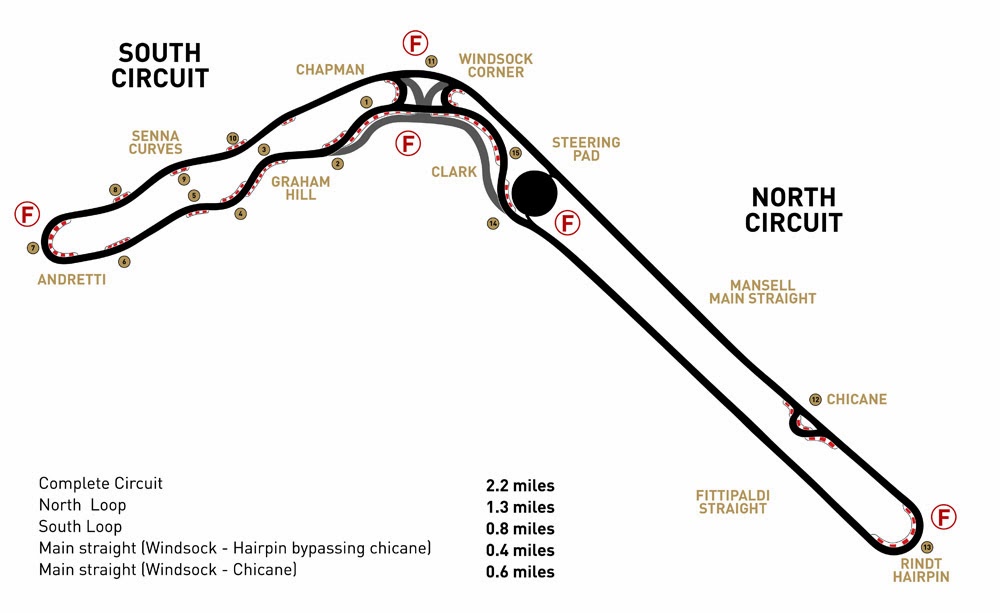
The first corner at the Hethel test track is called Graham Hill.  It's actually a right, left, right, left series of curves that are taken at 3/4 throttle in 4th gear.  The Exige S moves around under you but control of the car is easy.
Lotus Exige S Roadster

As you approach the final curve in Graham Hill you dab the brake and turn left to enter a short straight before the Andretti hairpin with foot flat on the floor until the last minute when you brake hard and turn the nose towards the centre of the track and aim for the apex at the end of the kerbing.  The Exige squirms but you have full control.

The steering at this point, as you hold it round the hairpin at as much speed as you dare and then ping off down the straight, is heavy.  You need to grip the wheel firmly and change gear as quickly as possible in order to retain both hands on the wheel.

Through the barely-there Senna curves and enter Chapman/Windsock corner which is a super fast right hander that I never quite managed to get right.  The car inspires confidence but the track is wide and I concentrated too hard on corner entry and fluffed the exit on the first few laps.

Next up is the track's longest straight, and its fastest point.  From the apex of Windsock corner to the chicane at the end of the Mansell straight is half a mile yet the Exige S Roadster could reach its top speed of 145mph just before the chicane.

It's a testament to the car's power and low weight that this speed is achieved in such a short space and with so little fuss - although the driver's arms and left leg are a blur as you change up in furious bursts.  The gearbox ratios are set for both road and track use so the ratios are spaced quite close together.

There's a line of tyres on the left just before the chicane.  Darren Cockle, Lotus' Senior Engineer, Vehicle Dynamics took me round before my turn at the wheel and I spotted his braking point (remember, we're doing 140+mph here) so I thought I'd brake ten yards earlier.

The first time I hit the anchors, slamming down the 'box to 2nd gear, the rear of the car moved around as I changed down too early but we hit the required speed way for the chicane ten yards short of it.  Every time we came to the chicane I got a little closer to the perfect point until after a few laps I could get it bang on.

140(ish) mph.  Brake point.  Slam brakes on hard.  Down gears.  Nose into the tight chicane.  Perfect.  It's so easy in the Exige S to get it right every time - after some practice.

Of course a better driver than I would find that little bit of extra speed but the Exige S flatters any half-competent driver.  It's so compliant and malleable you can treat it harshly and it'll smooth out your cack-handed inputs and respond better than you imagine.

The back doesn't kick out suddenly, the nose doesn't lose grip and slide off into the Armco.  You reach your limits far before it finds its limits.
Lotus Exige S Roadster

Out of the chicane and a short burst before the Rindt hairpin.  I could never get this corner right.  Ride round the middle of the track, aim for the apex at the end of the curve and floor it.  I didn't have confidence in myself (mainly due to the fact the Armco abuts the track here) but Darren was genuinely foot flat on the floor and skimming the edge of the track the moment he hit the apex.

Another straight, past the pit entrance, and into the right hand Clark before entering the Graham Hill curves again, and the lap is over.

The Exige S Roadster is an amazing car at the limit.  You can feel it moving around underneath you, yet all the while it stays on the road and pointing the right way.  A Porsche Cayman is less forgiving and has a tendency to snap oversteer earlier than the Exige does.  The Exige is slightly more gentle on the inexperienced track enthusiast but is able to deliver as much as the Cayman.

What I'm trying to say is that zone where you feel some loss of control to actual loss of control is larger in the Exige S than a Cayman - if that makes any sense.

My initial laps were done in the DPM's Tour setting.  The car was monitoring brake and throttle inputs and giving me a safety margin.  If I had not known this already I would not have guessed the system was turned on.

Turn DPM to Sport and some of the nannying disappears.  The Exige S is designed, tested and set-up without any electronics in place.  It's this that gives it such a balanced chassis.  The Bosch systems are specced by Lotus to merely add a degree of extra control for drivers such as me who are competent road drivers but not track experts, but also for track experts to wring a few extra mph out of the car.

I could feel the car more in Sport and could find grip levels and lean on the tyres quite easily.  As we swept through the Clark and Graham Hill series of curves I enjoyed it more, and flowed better, with each lap.

After my half hour or so drive my biceps were aching from holding the wheel.  The lack of power steering is felt when tracing the Exige S through high speed corners.  My palms were also sweating.  For true track use a pair of gloves is advised.  In the hairpins I was using my thumbs to grip the wheel as my fingers couldn't grip enough.

Once I had finished in the driver's seat Darren took us for a few laps in Race mode.  Of course he knows the track like the back of his hand but his high speed drifts were pretty awesome.  The Exige S will misbehave plenty if you push it hard enough.

The Lotus Exige S Roadster costs £53,850 and you can easily pay more with various options.  It is expensive but is truly hand built (there isn't a single robot in the factory) and has little competition.  The chassis is sublime and there's just enough convenience (electric windows, climate control, heated seats, a beautifully milled upholder, USB socket) to make it a useable road car.

Thoroughly recommended.

Stats:

Price - £53,850
Engine - 3.5 litre, V6, supercharged, petrol
Transmission - 6-speed manual
0-60mph - 3.8 seconds
Top speed - 145 mph
Power - 345 bhp
Torque - 295 lb ft
Economy - 28.0 mpg
CO2 - 236 g/km
Kerb weight - 1166 kg

You might also like:

Driven - Lotus Evora S

Matt Hubbard reviews the 2013 Lotus Evora S 2+2 with manual gearbox

Lotus Evora S

Lotus makes three distinct cars (of which there are various versions of each).  The Elise is the lightest and cheapest, the Exige is the hardcore track car and the Evora is the posh one.

The Evora range starts at £53k for the 2 seater with a 276bhp naturally aspirated 3.5 V6 engine.  My test car was the top of the range Evora S with back seats and a supercharger bolted on to the engine, which increases power output to 345bhp.

Lotuses are meant to be light as a feather but the Evora S weighs 1,437kg.  As it turns out you hardly notice.

The Evora is a handsome looking, photogenic car that attracts the stares of passers by.  It sits low and is about the same size as a Porsche Cayman, although very slightly lower and wider.

The nose is low and pointy, with a grille underneath and a diffuser under that.  The only awkward part of the car is the front number plate which, in the absence of a horizontal surface, is attached to the diffuser.

The windscreen is steeply raked.  You can see in the photos the doors are quite shallow, with a black panel underneath.  This gives the effect of the car tapering inwards at its centre.

The rear of the car is beautifully sculpted, with a fixed spoiler and another diffuser.  The underside is completely flat.  During its design the Evora was wind tunnel tested - and downforce integrated.  The spoiler and diffusers work, rather than being visual accoutrements.
Lotus Evora S

The overall effect is one of a sharp looking, outright sports car.  The test car came in Aspen White and had Design wheels fitted - 19" at the front and 20" at the rear. It got filthy pretty quickly on grimy winter roads and unless you plan to keep yours in a garage for six months of the year I'd go for something slightly darker.  It looks great in Laser Blue.  Keep the Design wheels though, which look ace.

The chassis is made from aluminium (you can see it in the metal here) and forms a kind of bathtub in which the passengers are seated and everything else is bolted on.

This defines the car.

Unlike steel bodied cars with narrow sills the Evora's sills are wide, and the roof low.  Getting inside requires a special technique.  My 11 year old son found it easy but I had to place one leg in the car, place bum on seat then ease the other leg over the sill and into the footwell.

It's difficult doing this without getting mud from your shoes on the interior.  Practice makes perfect though and after a while you hop in and out without a thought.

The rear seats are tiny, although not a lot smaller than those in a Subaru BRZ.  We drove 25 miles with my wife in the passenger seat and son behind her in the back.

The interior is rather plush, with leather on the sills and dash top and Alcantara and suede on the dash and transmission tunnel.
Lotus Evora S interior

The seats are lovely - body hugging but comfortable.  They adjust manually, and the driving position is just about perfect, although the pedals are offset to the left.

The speedo and rev counter sit side by side with a trip computer to the left and tyre pressure monitor to the right.  It looks modern, purposeful, professional and is easy on the eye.

The cabin is littered with aluminium bits and pieces from the drilled pedals, gear knob (which feels cold of a morning) to the buttons you can see in the photos.  You need to learn which button does which as the graphics on them are a little small to peer at whilst driving.  You don't want to open the glovebox when hunting for the heated seats.

Yes, heated seats in a Lotus.  And cruise control and a satnav, and bluetooth and a premium sound system.

The only let downs in the cabin are the indicator and lighting stalks, which seem to be from the Ford parts bin.  They're not horrible, just not quite so good as the rest of the fixtures and fittings.

The front passengers sit quite close together.  The transmission tunnel is narrow and the armrest is but a mere sliver of aluminium, trimmed with Alcantara.
2013 Lotus Evora S interior

There's not much space for your bits and pieces either.  The glove box is small and the door pockets take an iPhone and wallet and not much else.  The boot is tiny.  It takes 4 supermarket carrier bags of shopping.  Happily the rear seats will be largely unoccupied so are a handy place for stowage of bags and coats.

The test car came with the optional, Alpine, touchscreen, satnav and sound system.  It is worth every penny.  The satnav is as good as a TomTom, the iPhone bluetooth integration is flawless (as good as in a Volvo) and the sound quality is excellent.  The only omission is DAB radio.

And so to the driving experience.

Insert the key and start the engine.  It fires up with a lovely V6 bark - the supercharger takes nothing away from the noise.  Press the Sport button for more noise, slightly less traction control and improved throttle response.

I pressed Sport as a matter of course every time I got in the car.  The engine and exhaust notes are intoxicating.

Lotus' prowess in producing fine handling cars is legendary.  They have a test track on site at Hethel, they use the roads around the factory and they take the cars to the usual tracks, such as the Nurburgring.
Lotus Evora S

The combination of the basic design of the car, with its aluminium chassis, and the expertise of the development drivers and engineers produces superb results.  The Evora has passive suspension - no active nonsense - and is the better for it.

The Evora's ride, steering and handling is the best of any road car I've driven - period.  Even Porsche compromise somewhat.  The Cayman's handling is awesome but at the expense of ride quality.

The Evora can cruise along a dreadfully surfaced UK motorway, and it can turn off and slice through the back roads like nothing else.

The steering is power assisted (unlike in the Elise and Exige) and feels light at low speed and heavier on the go.  Feedback through steering, and seat of the pants, is scalpel accurate.  Combine this with the fact the car isn't too wide and it makes for an ideal road hooner whereby placement is accurate and confidence is high.

The only down sides are a tendency to follow the contours of the road if you don't grip the wheel, and a slightly obstreperous gearbox.

The clutch is stiff (and the pedals are slightly too close together) and the gearbox requires a firm input, which you can sometimes get wrong if you try too hard and change too fast.

It does require a knack.  I found that I could get it right every time if I changed where my hand sat on the gear knob.  If your concentration lapses you can find yourself fluffing 2nd to 3rd.

Mind you, watch Darren Cockle, Senior Engineer, Vehicle Dynamics, in this video.  Darren drives the Hethel test track in an Exige S, with the same engine and gearbox, (with me in the passenger seat) like the pro he is and with no gear change problems at all.  Like I said, it requires a knack.

The Evora's real piece de resistance is its ability to let you know way in advance when it is reaching the limits of grip, and then to treat you gently after it has reached that limit.
Lotus Evora S engine

Most sports cars with lots of power and rear wheel drive have a tendency to snap off the line when pushed too hard.  The Lotus feels more malleable, more pliable than anything else.  It doesn't have a limited slip diff but it never torque steers and it hardly ever misbehaves.

Gentle understeer followed by gentle oversteer is the name of the game.  This is hugely confidence building and means you can enjoy the car more than you would something with 500bhp and a limited slip diff but that had not been set up quite so well.

I drove it in dry and wet conditions, and it doesn't make much difference to its abilities.  Sure there's less grip in the wet but the feedback and deftness is the same in all conditions, although on filthy roads the bodywork does seem to get dirtier than in most other cars.

Power from the 345bhp engine is never overwhelming if you treat it with respect.  You can spin the wheels at low speed but above 30mph it grips tremendously.

The car is properly fast.  Overtakes are a cinch and corners can be entered and exited with alacrity, and a punch in the back.  The brakes don't fade on normal roads either.

And once you've finished scything along the back roads it'll settle down to a gentle lope through villages and towns without histrionics.  And the people on the pavements, in petrol stations and in cafes and shops will stop and look at the car as you pass by.

There's not a lot wrong with the Lotus Evora S.  It's a thoroughly likeable car.  It's a supercar at a sensible price.

It has a few oddities such as the offset pedals, massive sills and Ford stalks, which you can forgive when the benefits of owning an Evora are weighed up.
Lotus Evora S dash

What's amazing is that the Evora, as with all Lotuses, is handmade yet costs a lot less than a 911 or F-Type - which are made on production lines by robots as well as humans.  Lotus churns out 2,000 cars a year and is driven by efficiency (yes, and lightness).

The Evora S is a very efficient car (apart from its fuel consumption which barely rises above 25mpg in real world conditions) with few unnecessary trinkets.

It's useable in day to day conditions.  It didn't even bottom out on my drive, which has a steep slope, and can be driven all year round.  Heated seats, cruise control, a decent stereo and the sheer ease with which you can drive it enthusiastically make it one of the most attractive all-round sports cars on sale today.

You may also like:
Lotus Evora S video review
Lotus Exige S Roadster track test review

Stats


Price - £62,450
Engine - 3.5 litre, V6, supercharged, petrol
Transmission - 6-speed manual
0-62mph - 4.4 seconds
Top speed - 178 mph
Power - 345 bhp
Torque - 295 lb ft
Economy - 28.7 mpg
Weight - 1,437kg

Review by Matt Hubbard