Showing posts with label Best Blogs. Show all posts

23 Jan 2020

Cars - A Manifesto

The car is under attack. Politically, socially and environmentally it is hated by a certain type. A certain type that is vocal and has people in power and the mainstream media on their side. The bureaucrats, the cyclists, the zealots and the Followers Of Greta. People in positions of power look down their collective noses at the plebs in their tin boxes. Ordinary people should take the train they say. Ordinary people should cycle they say. Ordinary people belong on buses they say, as they tap their chauffer on the shoulder and are whisked off to yet another meeting about how to stop the masses thinking for themselves.

The printing press allowed people to be educated. Before the printing press only monks and scholars would read. Books were written but copies could only be created by hand, painfully slowly. Johannes Gutenberg’s printing press in the 15th century allowed information to be shared and ideas to be spread amongst the general populous. It provided for a step change in human evolution and ushered in the Age of Enlightenment which in turn provided the foundations for modern society.

Similarly the industrial revolution, the invention of the aeroplane and air travel, the creation of the internet and, of course, the automobile provided similar Gutenberg revolutions.

It was the creation of the automobile which allowed society to move beyond the physical restrictions of their origins. The farm and factory workers of the 19th century could only travel overland by walking or by horse for their work, to visit relatives, to explore the world outside their immediate environs. The introduction of the train in the latter part of the 19th century allowed for faster travel but it was incredibly restrictive in terms of where and when the trains ran.

Humans have to work around the train network, while cars work around the humans who drive them. Trains start and stop in predetermined locations at predetermined times - even if that is inconvenient. That has always been and is still the main issue with trains. I can drive the 20 mile journey from home to work in 30 minutes outside of rush hour and 45 minutes during rush hour. Using public transport would involve a one hour walk to the train station followed by a 53 minute journey on one train, a 16 minute journey on another train and a 10 minute walk from the station to the office. 45 minutes in the car versus 2 hours 20 minutes on public transport.

The car revolutionised society in terms of where we live, where we work, where we shop, the shape of our houses, the shape of our roads, the size and shape of our towns and villages. The car improved our lives beyond the imagination of the most forward looking Victorian. It changed how we dress, how we meet partners, how we spend our time, how fast we can access medical facilities. It made every single aspect of our lives better.

And yet we are told in the 21st century that cars are somehow bad. That cars are killing us. That we should move away from the car and into the various forms of mass transit that are provided for us by the benevolent state. Mass transit, don’t forget, that can’t even pay it’s own way. That is massively subsidised by people who don’t use it for those that do. Car drivers are paying for train users. The local butcher driving to work in a village in Lancashire is paying for the London banker, who earns ten times more than him, to take the train to work.

Why do the anti-car crowd adopt this mindset? It’s been coming for a long time. It wasn’t long after the invention of the car that someone was killed. In 1869 Mary Ward was riding in a steam car built by her cousins when she fell out on a bend and was run over. She died immediately. Nowadays around 1.25 million people per year die on the roads. In the UK it is around 1200 a year. This is a seemingly intolerable number, until you think about the benefits that cars bring to society and how many lives would be lost were cars not to exist.

Yet cars are becoming ever safer. Crashes become ever more survivable. In 1973 a journalist called Richard S Foster could see the direction that safety legislation was heading and wrote a short story called A Nice Morning Drive, published in Road & Track magazine. It was a prescient piece which described a society where cars had become 2700kg MSVs - Modern Safety Vehicles - which were designed to withstand 10mph head on impacts undamaged. The drivers of these MSVs become lazy and stupid and the crash rate increased by 6% every year, to which the legislators decided that shortly in the future MSVs would have to withstand 110mph head on impacts undamaged.

When asked why modern cars are so big and heavy a VW executive is reputed to have said that if you were to remove the entire safety and emissions components from a Touareg and place them on the floor next to it you would have something of the same weight and cost as a VW Up! Modern cars aren’t becoming MSVs, they already are.

Legislation drives safety regulations. It dictates the shape, height, weight and cost of our cars. It bulks them out and it beefs them up. Small cars have to be designed to withstand the impact of a 2.7 tonne Range Rover Sport. So they become less small and less cheap and more ugly.

All of this is done in the name of safety yet the humans who drive these increasingly huge and heavy cars receive no training and are not penalised for antisocial, dangerous driving. We are increasingly policed by camera and computer which catches only those who don’t pay their tax and drive a little too fast. Meanwhile the drunk, the drugged up and the frankly stupid get away with it.

In August 2019 Harry Dunn was riding his motorcycle when an American diplomat called Anne Sacoolas, driving on the wrong side of the road, smashed into him head on in her Volvo XC90 SUV. The XC90 weighs 2300kg and is pretty much the safest car on the road. Unless you’re outside it and have been smashed into by it. Then it is absolutely, catastrophically deadly. Sacoolas fled the country and escaped justice.

But what punishment would she have received? On 8 March 2018 the journalist Henry Hope Frost was riding home on his motorcycle when he was hit head on by a taxi driver called Tahir Mehmood who was driving his Toyota Prius on the wrong side of the road. Mehmood was found guilty and received a £670 fine and sentenced to 200 hours unpaid work.

The state controls every aspect of cars and car safety but allows complete idiots to drive cars on the public roads and when they kill other road users they get away almost scot free.

We need a government-led campaign of compulsory education and training. Driving should be a privilege enjoyed only by those competent enough to engage in it without endangering the lives of others.

And then we turn to the other issue of the modern age. The environment. Cars are bad for the environment, they say. Therefore cars should be banned. I tend to the persuasion that I will listen to arguments on all sides before forming an opinion. Some people are unable to do this. In the 21st century we in the West live in secular societies. Religion, which once bound the populace together and formed our structures, laws, meaning and entire reason for being, is gone.

Some people are simply unable to exist without a belief system that guides them, leads them and tells them how to think, behave and organise their lives. These people have been looking for a new Messiah and they have found one. In fact they’ve found several. The teachings of Marx, Greta Thunberg and political organisations such as the European Union as well as an ideological view of the world where people are designated good or bad by their race, sexual orientation, class, heritage and thoughts. Let’s call them Lemmings.

Let’s digress for a moment. Back to New York in the 1870s. Just as the car was being invented, but hadn’t yet become popular. New Yorkers were taking over 100 million trips a year by horse and by 1880 there were 150,000 horses in the city. Each horse would excrete 10kg of manure per day. That’s over 100,000 tons of manure and 10 million gallons of horse urine per year on New York city streets. Whatever we use for transport is polluting in some way. It is unavoidable.

Back to the present and in 2019 a man called Harry Miller was visited by police at his work place. He was told he was being investigated for transphobic hate crimes in the form of a tweet he had written which contained a limerick. When asked if this was actually a crime he was told it was not. The police then told his co-workers he was ‘dangerous’.

This Lemming mindset has infiltrated all aspects of the establishment. The police, the academia, the civil service, large and medium corporations, HR professionals, the press, silicon valley and the heads of all quangos and government organisations. And it is an inherently anti-car mindset. Cars represent freedom and individuality of the individual. In a car you can go anywhere you want at a reasonable cost.

The Lemmings do not like this. The EU bureaucrats, the Whitehall mandarins, the cyclists, the Cult Of Greta and the Town Planners say that cars emit so much CO2 that it is causing the earth to warm at an unprecedented rate and that because of that all cars need to stop polluting immediately or else the earth and all life on it will die (despite the fact that 400 million years ago CO2 levels in the atmosphere were five times higher than they are now).

And so the Lemmings who are in charge of writing the regulations that we must abide by have created a system of laws where in order to meet their stringent, legally binding, emissions targets cars are becoming yet more large, heavy, expensive and boring. And small cars are, perversely, persecuted even more so by the Lemmings and are being subject to such massive fines that each VW Up! sold in the EU in 2020 will be subject to a £2,400 fine.

So the buyer of a 950kg car with a 1.0 litre engine is punished far more than the buyer of a 2700kg car with a 3.0 engine, and a hybrid electrical system - which pays no fine because it can travel 30 miles on electric power.

Meanwhile standard petrol and diesel cars are becoming cleaner and cleaner all the time, without the ‘help’ of the State and its Lemmings. Each car would require less energy and less material to create were it not for having to fulfil safety and emissions regulations which mean that each car that is created uses a whole lot more energy, materials and rare earth elements.

It is as if they are doing it for political reasons rather than for safety and environmental reasons. The socialists in plain clothing who create our laws are moulding a society where the car is becoming so expensive, so vast, so ridiculous and so technologically advanced and therefore disposable (just like all other modern tech) that they can then criticise cars for being vast, ridiculous and polluting. They can demonise the car for being the thing that they created.

And think of all the other areas where cars have been marginalised. Town Planning creates towns and cities that are so car unfriendly that cars become stranded in islands, trapped between red lights, ultra low emission zones, single occupancy lanes and fast disappearing car parking spaces. New houses are built with too few spaces and more and more new houses are built with allocated parking. Allocated parking is a hideous modern invention which removes the car and the house from each other so that the car is emotionally removed from the occupant. It is out of sight and unloved. Bought as a commodity to provide cheap, convenient transport, then left out of sight and out of mind. It's almost as if this is done on purpose by the people who design our housing...

Private car drivers are being banned and priced out of towns and cities whilst the rich and the Lemmings are happy that the roads are quiet so they can let an Uber take the strain whilst a white van delivers their new kitchen, fresh scallops to their favourite restaurant and huge, polluting HGVs build the massive, dehumanising, concrete and steel skyscrapers which make metropolitan liberal elite even richer and happier.

So now cars cannot fit in standard parking spaces because they are too big and cannot be driven on roads in cities because for years transport planners have spitefully created a road network which penalises cars.

Reducing CO2 is a reasonable aim and one that can be achieved with proper planning and regulation but because those who have created the regulations hate the concept of the private car they have created a system which will destroy it if it goes unchecked.

CO2 can be reduced by making cars smaller and lighter and more efficient. Safety can be achieved by technology other than airbags and crash structures and more and more heavy steel. Carbon monocoques can protect occupants and education can prevent crashes from happening in the first place rather than making all cars withstand all crashes.

People will not be able to afford cars. They will not be able to insure cars because the car insurance industry is a corrupt scam. They will not be able to fuel cars because 65% of the price of fuel in the UK is tax, which pays for trains and buses. They will not be able to drive cars in places where they need to because they will be banned or priced out. They will not be able to park cars because they will not fit in the spaces available. Cars provide social mobility because they are cheap and convenient.

We are told electric cars are the future. But electricity storage is hopelessly backwards in terms of energy intensity compared to fossil fuels, and to hydrogen. Electric cars are even heavier than conventionally fuelled cars yet have tiny ranges and hopelessly long ‘refuelling’ times. 75% of the mass of the entire universe is hydrogen. And if used as a fuel it emits nothing more than water vapour from the exhaust pipe. Yet as a fuel it is marginalised. Hydrogen should be the future of transport but is ignored by the Lemmings because hydrogen is too conveniently ‘good’.

Motoring journalists are, one by one, being stricken with Stockholm Syndrome. They are starting to revere and praise the very thing that will kill off their profession - the electric car. They are given electric cars to test and they report back that this week's model is fast, refined and comfortable and, yes, the range is small and, yes, it takes forever to charge and, yes, a lot of the chargers don't actually work and, yes, costs twice as much as a petrol car and, yes, could be seen as impractical but as petrol and diesel cars will kill us all then we'll all learn to love them.

It’s a war being waged by them against us. By those with an ideology that favours their belief system - that of a weak mind - over yours and mine. They despise us and they do not want us to have the freedom that the car provides. They want to price and regulate the car out of existence for their own political ends.

For the first time in human history we are being told to go backwards. To devolve instead of evolve. To travel less and to do less. We are being told to take the bus when there is no bus available from where we are to where we want to be, and we are told to take the train when the train costs five times more than the car for the same journey.

But there is a light at the end of the tunnel. The people are fighting back. The people are getting sick of the bureaucrats and the Lemmings and the elites. The people are voting to rid themselves of the EU, to reject Marxism and to embrace a new, populist capitalism. We need to make clear to our politicians what we think. We need to keep a check on them and make sure that they continue to support the car. To spend billions of pounds on roads instead of railways.

The car is the device by which people were freed from the chains of poverty. And long may it continue. Because if it doesn't we will all be in trouble.

Footnote - The song Red Barchetta by Rush is based on A Nice Morning Drive


By Matt Hubbard

2 Jul 2019

Land's End to John O'Groats In One Day In Three Epic Cars

I had been driving for three days non-stop and had covered 1500 miles. On that third day I had left the northern coast of Scotland at 9.30am. I only crossed back in to England at Gretna at 5.30pm. I was completely worn out but still had three hours driving that day, and four more hours the next day...

Scotland is huge. Far larger than you imagine. I've visited it many times and you can get really lost in the place. You do see other people but not very often. Unlike most of England northern Scotland is not flat. In fact it undulates quite a lot.

The result of this is that the roads are half empty and twist and turn with the scenery. And because Scotland is an exposed, windswept place and wasn't part of the UK when the Inclosure Acts were in place farmers weren't forced to create small fields with high hedges around the outside.

And this means you can see where you're going. Which means that driving round Scotland for fun is a really enjoyable experience. If that's your kind of thing.

I don't need much of an excuse to head to Scotland for a drive. And neither does Hannah, a friend who would visit regularly in her Porsche, and then decided she would actually move there earlier this year. So she sold her house in the Home Counties and bought a converted church in Moray.

We had both previously driven from John O'Groats to Land's End in one day and thought it would be a good idea to do the trip again, but the 'proper' way round and in the summer. And this time we would do it in convoy.

So we set a date - the last weekend in June - and asked if anyone else would like to do the trip with us. One person answered the call. A chap called Pete, from Hull.

Hannah organised the accommodation and I organised the route (it wasn't hard, there really only is one way to do it) and we drove down to Cornwall. We met Pete and headed to the excellent Old Success Inn in Sennen Cove for dinner and a pint. We all gelled and discussed the day ahead.

I suggested we start at exactly sunrise - 5.16am - and attempt to get to John O'Groats before sunset at 10.24pm. We all agreed. With an early start ahead of us we headed for an early night.

Land's End

Through thick fog the three of us met at the Land's End visitor centre. We took a photo at the famous sign post and drove the cars around to the front of the centre, under the big sign, for photos and the start.

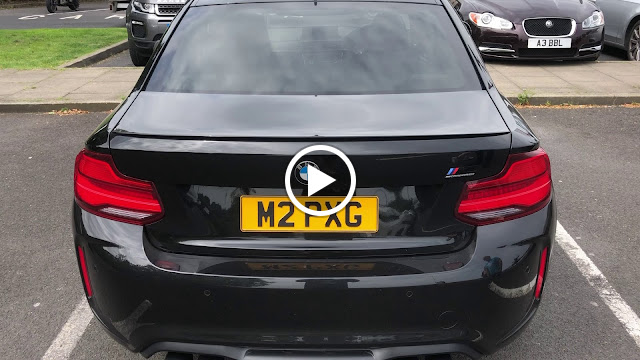
All three of us are petrolheads and our cars reflected this. Hannah drives a Porsche Cayman GT4, Pete a BMW M2 and me a Golf GTI. My GTI is a 2013 model with 230hp and a limited slip differential. The other two have a lot more power and are rear wheel drive!

I've owned the Golf since March and have really grown to like it. The LSD makes a huge difference and the power feels plenty for a front wheel drive car. The dealer who sold it me fitted it with brand new tyres which is great but they are a cheap Chinese brand which are not great. They're fine in the dry but in the wet are about as effective as Diane Abbot in a maths exam.

At 5.16am precisely we started. We were all absolutely buzzing. Despite the fog visibility was reasonable and we enjoyed careening round the Cornish lanes. Within a couple of hundred yards you are on the A30 but at this point it is a single lane and very twisty. I led and drove as fast as felt safe.

After the rush of the lanes we arrived in Penzance. At this early time the roads were almost deserted and we made good progress. I was in the lead and was taking the racing line where possible - white line to white line, cross the middle line where visibility allowed - to keep efficiency up.

We passed urban areas of Cambourne and Redruth where the A30 is more dual carriageway than motorway with roundabout after roundabout. 

That this trip was a convoy meant I had others to keep an eye on but it was apparent after a very short amount of time that Pete and Hannah were expert drivers. We were flowing well. We all indicated when necessary, kept appropriate distance without lagging too far behind and had good lane discipline. 

I had created a 22 hour, 291 song playlist and as we hit the open countryside - hardly visible in the fog - Gimme Shelter by the Rolling Stones was playing at max volume. My eyes were on stalks, checking for any hazard. 

Hannah was running in the middle of the pack and her GT4 looked epic in the mirror.

We had been messaging each other before the trip on WhatsApp and I thought I'd see if we could use the app to make a three way call. It worked and we chatted away about the roads, how happy we were to be finally underway after talking about the trip for months and about when we'd need to stop. 

None of us had set off with a full tank of fuel. From full my Golf will has a range of 400 miles on a good run but the Porsche and BMW would only manage 300 miles, and probably less at a decent pace.

As we passed through Cornwall and into Devon the fog lifted and we were greeted by fantastic views and open roads. We decided to by pass Exeter services, which are bloody awful and very expensive, and stop at the next.

Which turned out to be Cullompton. We fuelled up, bought food and drinks and left again at 7.20am.

I have never in my life travelled the length of the M5 and M6 without being stuck in traffic at least once but the next few hours were a dream. We saw other cars but the roads weren't busy. Amazingly the other driver's lane discipline wasn't too bad either.

We continued driving in tight formation, taking it in turns to lead, to be in the middle and to hang at the rear. Both the M2 and GT4 looked great in my mirrors and through the windscreen.

I was still on a high. Energy levels right up there. The road beneath my wheels was rendered smooth by the Golf's chassis. Music pumping. Big smile. Moving high and moving fast. Machines clean, so sweet and mean.

The sun was out and parts of Europe were enjoying the hottest day on record. England was warm but not scorching. I sat low in the seat, enjoying the buzz. Sunglasses. In the zone. Keep us on the road.

We chatted some more. Hannah and I knew each other only through social media before the trip. We'd spoken and messaged but only met once, at the Sunday Scramble at Bicester. Neither of us had met Pete in real life before the trip.

So we talked and talked. About our jobs and cars and life. Pleasant and enjoyable. Good company and good cars.

Charnock Richard

It was 11.15am and we had travelled 371 miles. The cars needed fuelling and we all needed a stretch and a refresh. We parked up and rolled out of our cars - Pete and I almost literally. Hannah, who's car was the most extreme of the three with bucket seats and harness seat belts was much more limber.

We swapped stories of what we'd seen and how we were doing and how we were all amazed at how little traffic we'd encountered.

It was good to walk around awhile. I bought a sandwich and we were robbed blind at the petrol station (£1.49 a litre!)

And then after just a short stop we were off again.

And after a few minutes we stopped. There was a crash on the M6. Arse. Hannah and I were using a satnav app called Waze which didn't suggest any alternative but to sit in the traffic but Pete was using his BMW's satnav and it reckoned we could save twenty minutes by turning off, so we did.

We followed a few local roads and then were stuck in urban dual carriageway hell. It took fifteen minutes to get out of a particularly busy junction, along with half the M6.

But then we found a quieter route and trundled through a place called Bamber Bridge which had some fairly interesting shop names. We all giggled at the Exotic Sunbed Lounge, guffawed at the Pump and Truncheon pub and laughed at the Blonde on Top - a hairdressers.

After a queue to get back on the M6 we were finally back on our route and up to speed.

Lancashire turned to Cumbria turned to the beautiful Lake District. And then we were in Scotland. The scenery didn't change dramatically. The motorway is a thin ribbon of tarmac cutting through massive, open, rolling scenery. Green from plenty of rain and just enough sunshine.

Happily the sun was out for us. The weather had been kind. After the fog burned off in the early morning we had only seen sunshine. But as we stopped again in Hamilton there were warnings of rain ahead.

It was 2.30pm and again the cars needed fuel and the drivers needed a break. We had covered 551 miles and were all beginning to feel a little weary.

We had continued to talk during the trip and all of us felt like it was the evening, even though it was early afternoon. It was almost a surprise that it wasn't. It was a kind of jet lag caused by a very early morning and nine hours on the road.

We got going again. Almost 300 miles to go but miles covered on Scottish roads. Our blistering pace would be slowed a great deal. Our sat navs said we would be at John O'Groats by 8.10pm - almost six hours away.

It is around Stirling that the motorway finally ends. It peters out from three to two lanes and the blue signs stop and the green ones start.

And then you are on the A9 and in average speed camera hell. The scenery is great and the road quite lovely but the average cameras castrate what could be a good drive. Drivers on the A9 don't think. They just comply. Cruise control set to 60 or 70 depending on whether it's single or dual carriageway and drone on and on and on.

Finally after two hours of this rubbish we were free. We passed through Inverness and our pace picked up.

Our energy levels picked up too. I had listened to an audiobook through the speed cameras but that was turned off and huge slabs of Metallica pumped through my speakers as Pete took the lead and I gamely followed, Hannah's Cayman in my mirrors.

The weariness and aching bones were gone and we developed a second wind, invigorated by the scenery, the roads and the Scottish air. We passed through a town and saw several people wearing kilts and tam o'shanters. Hannah and I argued on the phone whether a chap we had seen was a full ginger or a strawberry blonde.

The M2 and Cayman GT4 sounded awesome. I could hear both of them under acceleration. Throaty, growling roars. They also handled better than my Golf. They cornered flat and true whilst I had to be creative with the width of the road and aware of my grip levels.

The road became more winding and challenging. These were the drivers roads we had been seeking, We stopped for a break and photo op on the Dornoch Firth Bridge and that would be the last time we would stop. It was 6.30pm and we still had almost two hours to go.

The rain which had been threatening decided to set in. Sometimes drizzle, sometimes heavy. It affected our visibility and our grip levels. Hannah's rear slid a little and my front end slid a lot as I powered out of a corner and the tyres lost grip.

Teeth were gritted and eyes were on stalks. The drive was good and the cars looked, felt and sounded amazing. I don't think we could have picked three better cars for the job.

As the miles counted down so did the anticipation. We drove fast and we drove well. Everyone within their comfort zones. Everyone enjoying themselves.

John O'Groats

After a particularly intense final half hour we were finally there. John O'Groats. We parked up right next to the sign and hugged and high fived and jumped around. We took photos and savoured the moment.

And then it was over. We had driven 842 miles and we had arrived at 8.08pm, more than two hours before sunset.

We three had essentially been strangers before we started but we had bonded during our trip and after we dumped our stuff and met in the local pub for pints (and wine) and dinner we felt a mutual sense of satisfaction. That we had done something adventurous and extraordinary.

The next day we set off to our various homes. We met for coffee in Perth, hugged again and went our separate ways.

I decided to add an hour or so to my journey and avoided the dreadful A9 and took the incredible Old Military Road through Braemar where my car received a damn good thrashing and I thoroughly enjoyed myself. I drove the entire day and arrived at my brother's house in Cheshire at 8pm.

As I said at the start Scotland is huge.

When I finally arrived home on the Monday I had covered 1655 miles, been in the driving seat for 30 hours 17 minutes and averaged 34mpg. And made two good friends.

By Matt Hubbard

28 Sept 2018

Why I Hated My BMW 320d And Wanted To Sell It - And Then Fell In Love With It Again


I'd bought the 320d. I'd justified it to myself. I was going to keep it. I owned it outright and I didn't want to make any monthly payments. I liked it. So what if it had 200,000 miles on the clock. It ran well and it was comfy and fast and drove well. I'd made my peace with it.

But it had started getting slower. It had started to feel a bit clogged up. All was not well. But I put it out of my mind. I continued using it day to day, short trips and long trips.

Until...

Until a light came on the dashboard, between the speedo and the rev counter. And it was accompanied by a bong. Or maybe a chime. Whatever it was it was not good.

I could have Googled it but I took a photo and put it on Twitter.  The answers came back straight away. All the same.

DPF. Diesel Particulate Filter. Uh? What the hell was a DPF? So I Googled that. It was not good. To cut a long story short a DPF is a filter somewhere in the exhaust system that filters out all the diesel particulates (that as a motorcyclist I can feel in my eyes when following an older bus or taxi in London).

This terrified me. What had I done by buying a diesel? Maybe I should sell the car and buy a petrol. This was a sorry state of affairs.

I went online. Halfords promised to clear out your DPF for a mere £85. Phew! I booked an appointment and a mechanic friend took it there to see if he could learn anything. Sadly not, they said it would take 4 hours so he went for a very long and boring coffee. 4 hours later it was done. £85 poorer but the DPF light had gone out. Job done, scare over.

The next day the DPF light came on again.

I did some more investigation. I consulted many forums where many ill-informed people gave many opinions on what to do, or not. Sell it they said. It's knackered they said. Don't buy a diesel they said. A new one would be £1500 they said.

Not helpful. I did my own investigations. I could buy a new one off eBay for £800. Or alternatively there was a company in Maidenhead who would clear it through for £250. This looked a good and sensible solution, but would it work?

I asked my mechanic friend to call them and book an appointment. We agreed that he would remove the DPF - even though we had no idea where it was or what it looked like - and take it there, get it cleaned and then reinstall it. Great theory but would it work out?

Meantime I had started to hate the car. It let me down and I don't like being let down by mechanical machinery. I like reliability. I talked myself into buying a Mk5 Golf GTI. I spent every waking hour searching Autotrader and eBay.

The BMW started driving terribly. It went into limp mode a few times and would only drive at 25% power.

I discounted 95% of GTIs on sale. Wrong colour, too many miles, not enough history, no cruise control, no heated seats, the dealer sounded like a cowboy (80% of them), too far away, weird stains on seats, not clean enough, mods I didn't like.

But I found one. It was 80 miles from home. The seller sold it really hard. I wanted a discount but he wouldn't give one. I pushed, he pushed back. OK I agreed, I'll come see it and will probably buy it. It looked amazing. So one evening after work my mechanic friend and I travelled 2 hours and met the seller and his car.

Rewind...

Earlier that day my friend had jacked the BMW up and removed the DPF in under 2 hours. It was much easier than expected. He drove it to Maidenhead and it was thoroughly cleaned. It had been blocked almost solid. No amount of recharging by Halfords would have fixed it. Only a deep bath and jet clean with detergents could fix it, and fix it they did. It cost £180 (trade rates) and my friend reinstalled it in an hour.
The Diesel Particulate Filter

The Golf looked fabulous. But a little too shiny. A little too clean. I drove it. It was nice but not as spectacular as I'd been led to believe. The timing belt hadn't been changed for 50,000 miles. This was a concern. I actually preferred the BMW's driving experience. I asked that if I bought it would he consider not cancelling the tax until the next day. He refused.

I thought this was mean spirited but I did agree to buy the car. Some part of my mind was saying no but another part said yes. We agreed the price - the price he had asked - he was so confident he could sell it for the full price. I used my banking app and it didn't work. Hmmm? I phoned my bank. The funds wouldn't clear until the next day.

Snap. That was it. There and then I realised I had done the wrong thing. Fate showed me what I should have seen already. I walked away.

We drove home and only then did I start to realise quite what a difference there was in the BMW. It pulled stronger than it had ever done. The DPF had obviously been quite blocked when I bought it and this had only got worse until it got to the point it started to produce warnings.

By the time we were home I decided I would keep the BMW. I actually loved it and I should never have gone to see the Golf.

But actually I should have. It had been a cathartic experience and I learned lessons. I know I have some kind of syndrome. I call it impulsiveness and I've always had it and it's cost me a fortune in cars I've bought and sold and lost money on. Whatever it is and whatever trendy name might be applied to it matters not.

As soon as something went wrong I wanted rid of the BMW. It took the experience of realising the grass wasn't greener with the Golf to realise I preferred the BMW in the first place and that I shouldn't have gone looking for something else. I should have just fixed it and been done but I couldn't help it. It's for this reason I bought a Yamaha R1 and crashed it and it's for this reason I bought a Porsche 911 and lost £5,000 when the engine blew almost immediately. Sometimes I just cannot help myself - no matter what anyone says.

But, whatever. Lessons learned. I had the BMW and I liked it again.

But there were a few things that needed fixing if I was to keep it. It had satnav via a TomTom but it needed Bluetooth. CDs are too 2000s for me. I need to be able to play music from my phone. I had been using the aux-in cable but saw on the Honest John website a review of Bluetooth units. They recommended the Anker Roav Bluetooth Adapter. They gave it 9/10 so I ordered one.

It arrived the next day and was a plug and play affair. It just needed a USB connection for power and an aux-in port and both are under the armrest. Once plugged in I connected my phone and, honestly, I was amazed. The sound quality is fantastic. I get in, start the engine and press the button on the unit and music plays from my phone. Perfect.
The Bluetooth Adapter

The next job was to fix the headlights. They were pathetic. I had replaced the bulbs with upgraded xenon bulbs but they were still pathetic. The lights only lit a short amount of road ahead of the car. I investigated the mechanical adjustment but it seemed to do nothing. It was obviously broken.

Mechanic friend was booked to take the front end of the car apart so he could remove the headlight units and hopefully bodge a repair. This he did earlier today. It took two hours to get the headlights out. Once off the car we could see the adjuster on both lights had been sheered off the actual light unit at some point in the past so that the light's default setting was to point at the floor.

He fixed them by using Q-Bond adhesive. An amazing engineering bodge that has worked. It took an hour to put it all back together and once it had gone dark I took it for a test drive.

Instantly I knew things were better. The road ahead was lit - a little too much. I was headed for a quiet country lane but had to follow a Citroen Xsara Picasso doing 25mph and weaving around the place. He beeped me a few times as my lights were illuminating the inside of his car.

I stopped and adjusted the lights and drove on. A few cars flashed their lights at me so I stopped and adjusted some more. I repeated this a few times and finally was happy I had a setup that worked and no other drivers flashed their lights at me.
Fixing the headlights

And that was it. I finally had a car that did everything I wanted. The DPF had been fixed and thereafter it was reliable. It had a sound system that worked to my liking and headlights that would light the road ahead.

And so we are. I like my car. It may not have cost much and it had a few faults and they have been fixed. It has been made good and how I like it.

So now I love it and I don't want another car.

I hope it stays this way. I cannot say my impulsive nature won't cause me to want to sell it and buy something newer and faster and perhaps not as good but I will do my best not to do so.

By Matt Hubbard


1 Jan 2017

Trip of a Lifetime: John O'Groats to Land's End in One Day

Before Christmas I was wondering what on earth I was going to do in the black hole that is the few days between Christmas and New Year apart from drink and eat to excess. I'm really not a fan of winter and short, cold, rainy days make me feel quite miserable. I needed something to take my mind off it all. I needed a challenge!

One disgustingly dark and horrible December morning I was sitting on the 7.25am from Theale to Paddington reading the latest Guy Martin book. Guy is a human dynamo with boundless energy and a need to fill every hour of the day with danger and excitement. I'm not in the same league as him in terms of activity but I had had a pretty action packed 2016 as far as I was concerned and why not finish it with another road trip?

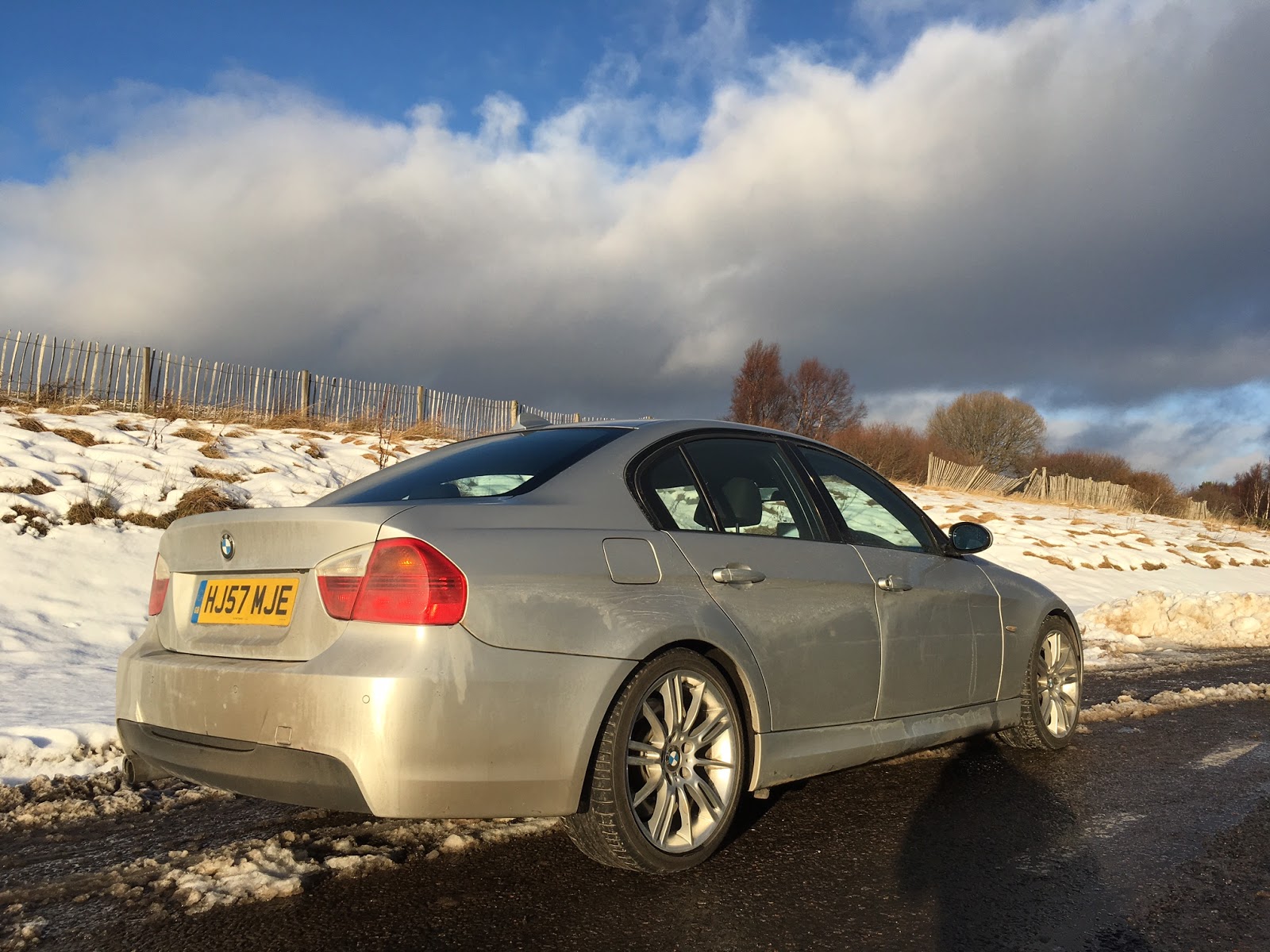
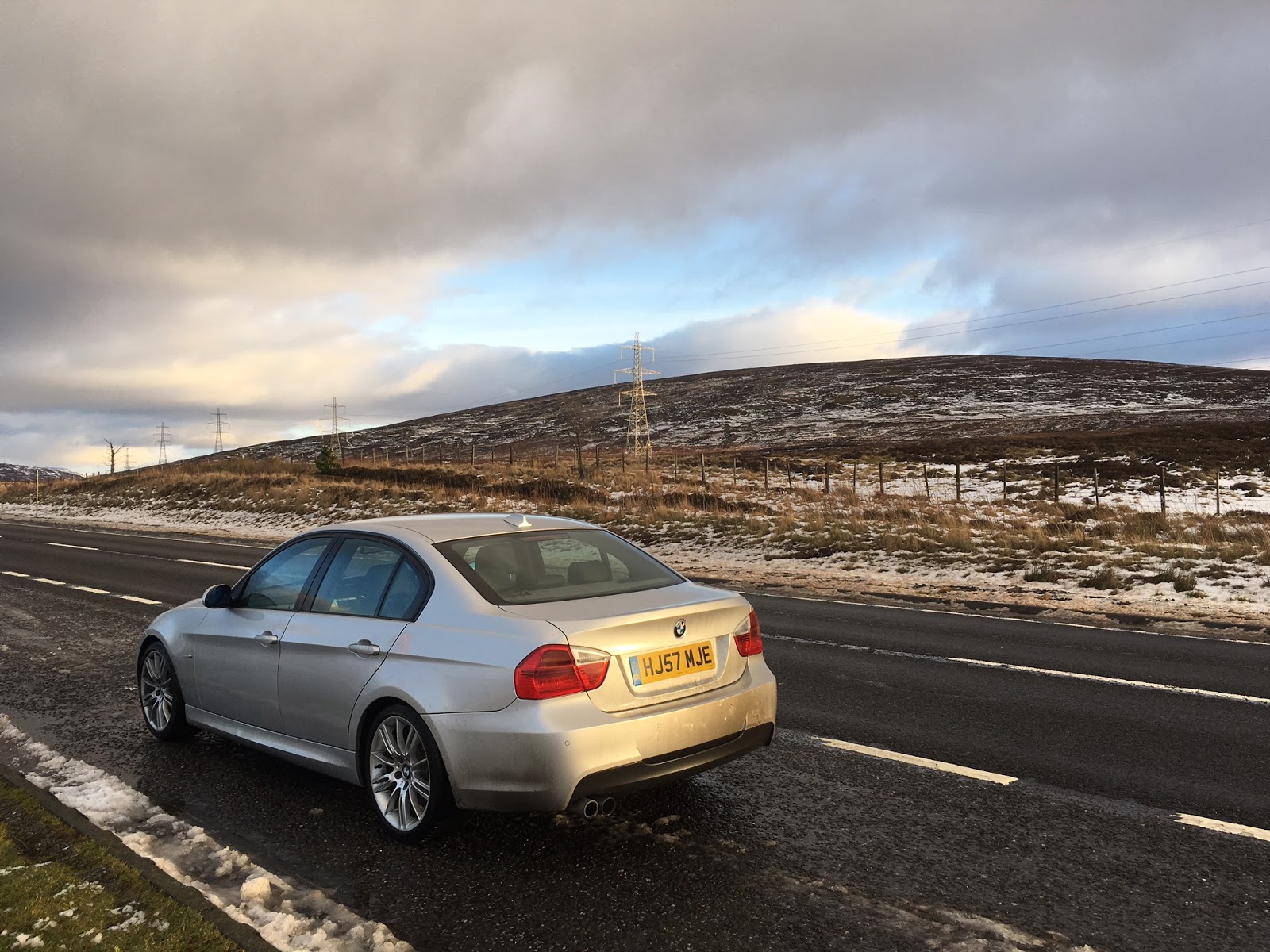
Inspired by Mr Martin and the fact my new car, a 2007 BMW 330i M Sport, was both fast and comfortable I decided to undertake a trip I'd always wanted to do. Land's End to John O'Groats.

That evening I studied the map. I live in the south east of England and the distance from home to Land's End is 276 miles. Land's End to John O'Groats is 837 miles and John O'Groats to home is 675 miles.  The most I'd ever driven in one day was from Dallas, Texas, to Santa Fe, New Mexico via Roswell and that was 704 miles. 704 miles on straight, open, traffic free, speed camera free American highways. In daylight.

Land's End to John O'Groats would be 837 miles on British roads with average speed cameras, road works and festooned with ignorant drivers in MPVs. The trip would take around 14 hours (without any stops), half of which would be in the dark.

Sounded good. I set a date and booked the hotels. My plan was to do the trip backwards and take two days to get to John O'Groats so I would be feeling fresh and unweary for the big day.

Christmas came and went and on boxing day morning I set off for Dunblane in Scotland. The car was freshly serviced and fully fuelled and I had a cardboard box strapped to the passenger seat which contained all the essentials I'd need for the trip.

Day 1 was an enjoyable blast along familiar roads - the A34, M40, M42, M6 and M74. I was surprised at how much traffic was on the road but nonetheless didn't get stuck in any traffic jams.  The hotel was comfortable and the next day I breakfasted well and headed to John O'Groats. This day was much different. The vast majority of the trip was on the A9 which would be a fabulous road but is neutered by average speed cameras along the majority of its length.

Still, there is a certain enjoyment to be found setting the cruse control to 74mph and doing everything in your power to maintain that speed no matter what - including overtaking those doing 68mph (everyone).

The A9 flows through the Cairngorms where the view changes from forest to mountains. It's an achingly lovely place spoiled only by having to constantly overtake other drivers whilst making sure you don't speed. At one point I stopped in a quiet lay-by. There seemed to be no-one else for miles around and was the perfect place for a comfort break. Then a cyclist clad in lycra arrived and stood ten yards away from me, unmoving. It felt like he'd done it on purpose. Still needing a pee I got back in the car and carried on.

The road situation vastly improves north of Inverness where the road gets quieter and twistier and the speed cameras disappear. I would argue this promotes safer driving as one needs to focus on what is going on and one's driving. The further north you get the more corners and elevation changes there are. The sea is to one side and craggy hills to the other. Towns and villages are sprinkled infrequently and traffic is extremely light. Even when you do come up behind someone there are plenty of opportunities to overtake safely.

At a place called Golspie I pulled over and went for a walk along a quite spectacular beach. At Wick I stopped for fuel and some healthy snacks for the journey - carrots, nuts, grapes.

At a shade before 4pm I pulled into John O'Groats. The village is nothing more than a collection of touristy type buildings surrounding a harbour. Shops, cafe, pub. I walked along the harbour and was for that moment the most northerly person on the British mainland.

My hotel was 200 yards away. It was simple and quite cold. Darkness descended totally at 4.15pm and suddenly what had been a welcoming kind of place seemed harsh and unforgiving.

I had arrived early so I could be as ready as possible for the big day ahead. In terms of overall preparation I was as ready as possible. I was travelling alone. I could have dragged someone along but I'm happy with my own company, and often prefer it to inane chattering for the sake of it. I'd also prepared a very long playlist of my favourite music - around 25 hours worth.

I'd been considering audiobooks but couldn't make my mind up - I prefer to read actual books. However when I learned of the sad death of Carrie Fisher I downloaded her new book, The Princess Diarist.

I'd also altered my sleeping pattern. I'm normally a bed late, up late person - a night owl. But I'd been going to bed earlier and earlier and been waking up earlier too. My alarm was set for 5.30am for a 6am start.

At 7pm I ate dinner in the hotel bar, surrounded by drunk Scottish people. I showered and went to bed at 9pm and fell asleep immediately.

At 3.48am I woke up. There was no point going back to sleep. I made a cup of tea, packed my stuff and hit the road at exactly 4.33am. The satnav said it would take 14 hours 26 minutes. I felt fresh and ready for the trip. Heated seat on, climate set to 20°C. Head off into the dark.

The first couple of hours were fantastic fun. Winding, twisting, single carriageway roads. Hands on the wheel, eyes fixed on the road or the next apex. I was carrying a good speed. Manoeuvres were not conducted like I was in a race car - I was in this for the long haul - but I was braking late, hitting apexes, accelerating hard.

I saw lots of wildlife. Deer, foxes, rabbits and the odd something small, furry and fast, scurrying across the road.

The sky was pitch black but the wind was low and there wasn't a hint of mist, even though fog was forecast over parts of the country.

The further south I headed the more traffic I encountered. I continued driving hard. I came across the sections of the A9 with average speed cameras. Cruise control on, overtake slowly, insane politicking affecting safety. Still, at night you can see headlights approaching - or not.

I passed through the Cairngorms in darkness and didn't see the snow spattered mountains

At 7.41am the sun started appearing above the horizon. Then it came suddenly and the day arrived, albeit gloomily.

By Glasgow I had been driving for 4 hours 30 minutes without a break. We had done 280 miles and there was was still a quarter of a tank of fuel left. My average speed had been 64.6mph and fuel consumption had averaged 27.1mpg.

I was ready for a break (busting for a pee) but the electronic sign said the services I had planned to stop at had no fuel. Instead I asked the satnav to find another fuel station. I stopped at Morrisons, Glasgow to fill up with petrol and windscreen washer fluid and a run to the loo. After less than ten minutes we were on the road again.

The next few hundred miles were going to be my opportunity to increase my average speed before hitting the midlands. South of Glasgow and into northern England and the interfering busybodies in government leave the poor motorist alone for a while. There are no fixed cameras and little other traffic. Those hours were glorious. If you've ever driven across Europe you'll know the feeling of driving mile after mile on straight, quiet roads at high speed. This is what the M74 and M6 through the Lakes and Lancashire is like. Pure pleasure.

And then I hit the traffic.

My average speed over 450 miles had been 69.9mph. I was now just over half way there and feeling good. But the M6 had other thoughts. We ground to a halt north of Warrington and my average never reached 70mph. I was using Google maps on my phone for more accurate traffic data and it said the area north of the Thelwall viaduct was totally blocked and that we should turn off and travel 2 miles east down the M62 then head south through Birchwood and back on to the M6 just ahead of the viaduct. Google reckoned this hugely out of the way route would save 20 minutes. I took the diversion.

We continued to crawl and Google came up with another suggestion to avoid 45 minutes worth of queues. This time it involved the M56 west then the A559 south until Crewe. I took this too.

Coincidentally this route passed within half a mile of my brother's house so I called in for a quick pit stop but the house was empty. They were out shopping. It was 12.45pm. I watered his hedge and carried on.

Back on the M6 and I didn't take any more diversions. The traffic shuffled along in fits and starts and ruined my average speed even more. At Birmingham we took the M5 and carried on inexorably south.

Patches of mist came and went. The traffic didn't improve. At several points the fast lane went from 75mph to 0mph whilst the other lanes carried on at 60-70mph. I was surrounded by ignoramuses who refused to drive according to conditions, to any code of conduct, to simple common sense or courtesy.

I regularly dipped into the middle lane if it became free but would then be blocked from getting back into lane three. People would drive close to the car ahead and constantly brake. Others sat for miles in lane three at 65mph, ignoring the massive queue behind and acres of free motorway ahead. Random panic braking would occur frequently. People only seemed to look at the car ahead rather than to the traffic all around and ahead. I was, as I often am, quite appalled at the driving standards on our roads, something that becomes quite dangerous on a busy motorway.

Time and miles wore on. I had stopped again at Hilton Park services in Birmingham. The sun sat low in the sky at Bristol and everyone slammed on their brakes every time the road aligned with it so it sat right on the horizon at 12 o'clock.

The sun set at 4.30pm at Avonmouth. I took stock. I was feeling fine. I'd been driving for 12 hours straight and did not feel weary. The BMW was doing a fine job. I had finished my audiobook and moved on to music. I would open the window occasionally for a blast of cold, fresh air.

I stopped for fuel somewhere on the M5 but cannot remember where. Then we hit Exeter and turned on to the A30 which is a beautiful road, mainly dual carriageway, that passes through some spectacular scenery as it heads through Devon and Cornwall.

There was plenty of traffic but it was better behaved than on the M6 and M5. We all cruised as fast as we felt comfortable with and people would move over if lane one was free. Very civilised.

At Bodmin we hit 12 miles of roadworks, policed by average speed cameras with a limit of 40mph. I was behind some moron in a Hyundai who could not maintain a constant speed so we wavered from 30 to 40mph for what seemed like forever.

Finally free of the roadworks I mashed the pedal and carried on across Cornwall. I stopped for fuel at some point and felt weary and tired for the first time. The dual carriageway lasts a surprisingly long time. It was only after Penzance - just a few miles from Land's End - that the A30 becomes single carriageway.

Those last few miles were conducted in silence. I turned the music off and opened the window and enjoyed the moment. I followed an old Defender for a few minutes. The driver was caning it so it was quite fun.

And then finally I hit Sennen and saw the sign for Land's End. I passed the Last Pub in England and carried on. Along a quiet lane you see a pair of stone signs either side of the road that simply say Land's End. I stopped for a photo. A deer jumped in front of me and bounced off into the night.

Another hundred yards and I had done it. It was 7.39pm. According to my car's trip computer (not accounting for stops) the average speed had been 62.9mph and the average fuel consumption 28.2mpg. I had covered 857 miles.

The overall trip had taken 15 hours and 6 minutes. I had been driving for 14 hours and 12 minutes. Therefore I had stopped for a total of 54 minutes.

I felt elated. I parked in the Land's End car park and looked upwards. It was a crystal clear night and the sky looked spectacular. I could see three or four times more stars than I normally would in the light polluted south east.

Happy with the day I drove two miles to my hotel in Sennen Cove, ate a light dinner, drank a single pint and went to bed.

The next morning I woke an hour before breakfast so went for a walk along the beautiful beach at Sennen Cove. At 9am I drove back to Land's End and walked down to the craggy area behind the tourist buildings. For that moment I was the most southerly human on the British mainland. Then I headed for home and was able to view Cornwall and Devon in daylight - always a delight. I stopped for lunch with a friend in Somerset and finally arrived home at 4pm.

When I mentioned on Twitter I was doing the trip I had lots of support. When I was headed up north and then on the day of the trip itself I was inundated with questions and well wishes. A few people asked why I had done it, some just said I was crazy. Everyone congratulated me. It felt good to have so much positivity from people.

Driving from John O'Groats to Lands End in a day is an ultimately pointless exercise but so is any kind of rally or competition. I can say I did it and the vast majority of people cannot. I feel good that I did it. I ticked a box that would have always remained unticked - unsatisfactorily so. I enjoyed my time behind the wheel but I also enjoyed the preparation and the time afterwards.

I am writing this on 1 January. This year I will ride my motorcycle with a group of friends across Wales, touching the south, east, north and west boundaries, and I'll drive through most of the capital cities in Western Europe. I've developed a taste for road trips but it is so much more satisfying if that trip has a purpose.

By Matt Hubbard


23 Dec 2016

Take The Trip, Buy The Car, Ride The Bike

Someone recently said to me on Twitter that he'd love to take his Alfa Romeo on a trip to Italy. I said he should and he said it would need to be more mechanically sound than it currently is and that he'd probably never do it.

This reminded me of how I once was when turning dreams into reality. I didn't because I was too scared.

Another conversation, this time with the lady who looks after my dog when I'm away. I bumped into her recently and she said something that sounded funny. She said that when she knows she has to go on a long trip she worries about it beforehand but that when she actually goes on the trip it turns out fine. I thought back to the me of a few years ago and realised that I used to do exactly the same.

I used to travel a lot for work - sometimes 800 miles a week - and before those long journeys I'd fret for days. Then, when I hit the motorway it was absolutely fine. When it came to non-necessary trips, i.e. trips to places I might want to go, this worrying prevented me from going. However if someone else organised and led the trip I did go.

I don't know why. I don't even mind travelling alone. In fact I prefer it. I like my own company and driving time is thinking time which, in my mind, is a good thing. I suppose I just had a fear of the unknown and of taking risks.

What I do know is that I was putting barriers in the way of things I wanted to do.

And I did have dreams and desires. I had trips I wanted to do and I had vehicles I wanted to buy. Scratch that - needed to buy.

I had always wanted to go to Le Mans to watch the 24 hour race, to the Isle of Man for the TT and ride the circuit, to the Nurburgring to drive round the track, to America to drive from coast to coast and to drive from the top to the bottom of the UK. The car I always wanted was a Porsche 911. The bike I always wanted was a Yamaha R1.
Dream bike. My 2000 Yamaha R1 before I crashed it

That was then and this is now. Now I have lost my fear of exploration and of the unknown. I've done all but one of the above trips and I've owned a 911 and an R1. But it has cost me.

The 911 cost the most. Good lord it cost. It was a £10k 1998 Carrera 2. It was the worst spec - tiptronic, convertible - but it was dirt cheap and it had a reconditioned engine fitted. The seller was private but he was selling via Brookspeed Porsche, one of the most respected independent Porsche garages in the south.

I thought I had a bargain and I'd scratched my 911 itch. I'd desperately wanted one for at least 25 years but had never been able to justify one practically or afford one financially.

After I bought it I spent another £600 fitting a decent stereo unit and another £150 fixing the recalcitrant alternator. I took it on a good few trips and told everyone how brilliant it was but in reality it gave me cramp in my right leg and the interior creaked like buggery. It didn't handle any better or go any faster than my current car - a BMW 330i M Sport.

But it was a 911 and it was mine and that was what I always wanted. I was happy.

Then I wasn't happy. At 70mph a chunk of cylinder bore lining came adrift and the engine smashed itself to smithereens. After 6 weeks of ownership I sold it for £5k.

Then there was the Yamaha R1. I didn't just want an R1 - I needed one. I had to have one like I have to breathe air. In my late 30s I finally bought one and it was an absolute beauty. It was a 2000 model in red, white and black. It produced 150bhp and weighed 150kg. It went like a rocket and had no traction control or ABS. I went faster on that R1 than I've ever been on or in any other vehicle - and it still had more to give.

But it didn't half give me leg ache, wrist ache and neck ache. And it was far too much bike for me. I'm a skilled rider in city traffic and cutting a line on country roads but the R1's untamed 1,000bhp per tonne was just too much. Nonetheless I stuck with it.

Then after only three months of ownership I killed it in the most embarrassing way possible. I had taken it to my son's primary school's autumn fayre. After the fayre I turned right out of the school, gave it slightly too much throttle and fishtailed twenty yards before high siding. The bike and I slid 50 yards down the road, absolutely destroying the R1's right hand side and my ego.

I actually got two things out of that. The full value from the insurers and the knowledge that I'd owned the best, most fantastic bike I could imagine.
Dream car. My 1998 Porsche 911 Carrera before the engine exploded

After the experiences with the 911 and the R1 I'm now comfortable with every purchase I make. I don't have to buy something for the sake of it because I've already done that.

As for the trips, well they came about in different ways. The first was the trip to the TT in 2009. The only reason I went was that it was organised by someone else and a big group was going. Someone else did the organisation and booking and I just rode along. It was a fabulous week and made me realise it is possible to take long trips and just enjoy them for the sake of it rather than racing to a destination as fast as possible - something I am wont to do.

Then, in 2010, I decided on impulse to go to the Nurburgring to scratch that itch. I'd always wanted to go but the distance, fact it was in a foreign land and total lack of understanding I had of the place had stopped me. Buoyed by the fact my mate Scottie would be coming with me we booked a ferry and set off after work on a Friday and drove through the night.

We arrived at Nurburg at 5am and slept for two hours in the car then found the entrance to the track and had an unbelievably brilliant time. It was a huge eye opener for me. I could do the things I wanted to do. I didn't need to worry. The video below is of us getting stuck behind a BMW on the Karussell.


So Scottie and I went to Le Mans in 2012 and when I got home I created Speedmonkey. In 2013 my brother organised a trip to Scotland on motorcycles. We did 1,400 miles in 4 days. Earlier this year I drove from Miami to San Fransisco with my son in a convertible Mustang. They were the best two weeks of my life.

I often take road trips now and never fret about them beforehand. I do things I would never have done beforehand because my mindset is much more JFDI than 'can't'.

Next summer I'll be taking a huge tour of Europe and in just a few days time I'll undertake the last of my bucket list of trips to take and cars to buy. I'll be driving from John O'Groats to Lands End in one day.

If I can do it so can you. Go on, take that trip, buy that car, ride that bike. You only live once.

By Matt Hubbard


4 Dec 2015

I've Never Crashed A Car But I've Nearly Crashed Many Times


Think about the times you've lost control of your car. Did you crash into something or did you momentarily think you were going to crash into something then thank your lucky stars when you didn't?

I've either been extraordinarily lucky behind the wheel or I've got amazing reflexes. Or maybe both. I passed my test 27 years ago and not once in that time have I hit another car or any inanimate object with my car in such a way that you could call it a crash.

But I have had lots of nearly crashes.

Mind you I haven't been quite so lucky on my motorcycle. I've had lots of nearly crashes on bikes too but I did have one actual real life crash. It was terribly embarrassing. I only passed my bike test when I was 33. I'd been riding for five years and had owned an old Yamaha Fazer 600 and a new Yamaha FZ6 - both what non-bikers would call sit up and beg bikes. So I bought a Yamaha R1. 150bhp, 150kg, handlebars so low I had to pull my stomach in to ride the thing.

It was beautiful in red and white - mint condition. One soggy day when my Saab 9-3T was in the garage having a new clutch fitted I took the R1 to my son's school's autumn fayre. My dad was visiting and took son in his Jag S-Type.

After the fayre had finished I headed home. Lots of little boys and girls as well as my son and dad watched as I pulled my leather jacket on, strapped my helmet on and fired up the R1. They oohed and aahed as I turned right out of the school gate and eeeeeehed as the rear tyre found no traction and tried to overtake the front swinging the bike right, left, right, left, right. Then it did find grip, abruptly stopped it's fishtail and spewed me off and into the air whereupon I slid down the road for twenty yards with the bike's front wheel on my right leg.

I was fine, the bike was trashed. I've never crashed a bike again, thankfully.

I'd had plenty of 'nearly crashed' moments before that crash on the bike but none since, funnily enough.

In the car, though, I had one earlier today. I took my Elise out for a winter blat. The weather was fine if a little cold and I wanted to let rip for an hour or so. The roads were quiet and the top was off. I had a vague route sketched out in my mind and headed north out of the village and towards a fantastic road nearby.

Hose Hill is a half mile section of steep road that contains three hairpin bends and that is controlled by traffic lights over its entirety which means it is a one way road. I was headed downhill and as I approached saw a white, diesel Audi TT at the lights ahead of me. Knowing the TT would be driven very slowly down the hill I held back and waited a few minutes whilst the lights changed to red and then back to green.

I lit up the rear tyres away from the lights and held a perfect line through the first of the bends, which is a long, constant radius right handler. This is followed by 120 metres of straight road which leads into a first corner left hand hairpin bend - tighter than both the Gooseneck on the Isle of Man TT course or Loews hairpin at the Monaco GP circuit (I've driven both).

I pelted along the 120 metres in second gear and approached the corner. I braked in the right place - not too early or too late - but I pushed the brake pedal too hard, too quickly.

At this point it should be noted the Elise has many qualities. It has a brilliant braking system with huge amounts of feel, and it has great tyres, the discs are drilled and the pads are green EBC units. The trouble is I had failed to warm the brakes and tyres sufficiently and I had pressed the brake pedal too fast, too hard and too clumsily. Oh, and the car doesn't have ABS.

So we arrived in the corner with the front wheels locked, heading towards a vast pile of rotten leaves which had built up over the autumn.

I should know better because I know the car well and I have been trained on track by experts from Lotus, Porsche, Jaguar, Mercedes-Benz, Polestar and a very sweary and shouty racing racing driver who's Radical SR3 I was piloting around Silverstone at the time.

Anyway, back to the corner and the locked wheels and the impending doom and the possibly very high insurance bill. As you can probably tell by the title of this article I didn't crash the car but it was a close run thing.

Luckily my reflexes acted before my mind even thought, "Oh shit I'm going to crash the car," which made my right foot momentarily come off the brake pedal and then push it again, once the wheels had unlocked, but this time with more finesse. This enabled me to slow the car sufficiently before I hit the wet leaves and a certain crash.

The day was saved by instantaneous action and and unconscious knowledge of what to do in a given situation. This is a credit to the hours of training I've had, and possibly very good reflexes.

Over the years these reflexes have saved me untold times. I remember driving back from a wedding late at night in the rain with the kids bickering on the back seat and my ex talking at me in the passenger seat. My car at the time, an old Passat 1.9TDi estate, did have ABS but it was pathetic. In slippery conditions it made the car travel further than if it hadn't had ABS.

We were hurtling downhill doing 60mph on an empty dual carriageway. I was being talked to and trying to concentrate on terrible road conditions at the same time. I noticed too late the roundabout ahead and did exactly the same as I did in the Elise. I stabbed at the brake, locked the wheels and felt the horrible grind of the ABS being pathetic. I released the pedal, engaged it again and found more grip and slowed us down just enough to make the roundabout safely.

I've driven many powerful cars on public roads as well as race tracks. One in particular gave me a horrendous moment of, "Oh shit! Oh shit! Oh shit!"

If you're a regular reader then you'll know which car I'm talking about. It cost £95k and had 450bhp and as part of the press loan I'd have to cough up the first £5k if I damaged it.

It was my first EVER press car. I reversed it out of my drive very carefully. I drove it down the road very carefully.  I drove it very fast very carefully. Then, like an idiot, I turned the traction control off and booted the throttle.

The rear tyres instantly kicked left and tried to overtake the front. Oh shit. Amazingly, almost before my mind registered the catastrophe that could quite possibly unfold in the seconds ahead, my right foot jumped straight off the throttle, my hands corrected the slide and my right foot went back on the throttle and brought the car back into line.

Disaster averted. I didn't have to pay 5 grand to anyone. I drove the car for another four days then gave it back, relieved.

I've had plenty more of these moments. They've involved oversteering, understeering, overbearing, a couple more fishtails and driving into the central reservation when the traffic ahead has suddenly stopped. Cars are our every day transport. As such we drive when we're alert and we drive when we're tired and drowsy. I've been lucky. I've saved the car every time.

These things happen less now that I am old and experienced. I like to think I am wise but I am probably just more aware than the younger me was of the potential impact on my licence, body and finances of crashing a car.

I learn from every single moment. I was never reckless but we all drive a bit daft when we're young. Nowadays I rarely drive in such a manner that a policeman would consider the need to give me a talking to.

Fingers crossed and touch wood I have yet to crash a car. Hopefully I never will. I'll try my best to make sure I don't. Hopefully you won't either.

Below the article I've posted pics of my old R1 before I crashed it and a screenshot from Google street view of THAT hairpin.

By Matt Hubbard


The 2000 Yamaha R1 I crashed BEFORE I crashed it

THAT hairpin


25 Nov 2015

The 80s Called - They Want Their Speed Bumps Back

I live in a lovely village. It has one high school, two primary schools, several shops, a recreation ground, a doctor's surgery and lots of houses. There is virtually no crime and you see a policeman about as frequently as a total solar eclipse.

Yet all of us who drive are treated like criminals. We are subjected to harsh treatment at the hands of spiteful little people every single time we leave our driveways and venture into the scary world of murder and shoplifting beyond the village boundary.

It is impossible to drive from where I live to anywhere else without driving over at least three speed bumps. There are two types in the village and, perversely, all are situated on the whimsically named Hollybush Lane.

The first is placed at a T-junction where a quiet residential street meets Hollybush Lane. It is built from bricks and has only a small elevation from the tarmac surrounding it. This type isn't quite so bad although the fact you go from tarmac to brick means a change in surface and a reduction in grip level just at the point you want the tyres to grip. This means most people slow down to around 0mph before making the turn.

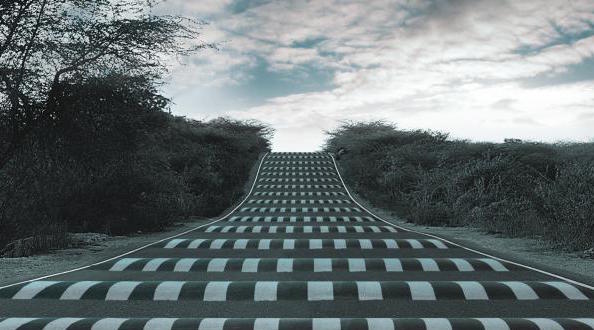
The second is the truly vicious type of bump. An angular lump with steep inclines and sharp creases. There is one in each lane which are just about wide enough that if you straddle them will not be quite so catastrophic on your spine as if you hit it full on.

However these bumps slowly eat away at your car's suspension, pushing it every time you ride them so that one day it will collapse at 60mph on a really dangerous corner. This is the whole point of speed bumps - to mete out damage to car and self until one or the other concedes defeat.

If cars are parked in the road the situation becomes a whole lot worse because then you cannot straddle the bumps unless you head right out onto the other side of the road and play chicken with oncoming traffic.

Motorcyclists and cyclists suffer more than drivers. They normally ride around the bumps but when the weather is wet this is not always very sensible. If the traffic is busy a rider can quite easily find themselves unavoidably and rapidly approaching a bump. Panic braking will cause a crash so you hit the bump and, if you're male, the subsequent impact can mean the testes being pushed into the body. This is horribly painful and makes the eyes water, which isn't very safe.

We have speed bumps because in the 1980s some dreadful people who couldn't be bothered working enjoyed stealing the cars of people who could be bothered working. In their snow washed denim jeans, white socks and and shiny bomber jackets they would break into Peugeot 205 GTIs and tear up and down the roads of our towns and villages whilst smoking Benson and Hedges cigarettes.

This became such a popular pastime that the annual car insurance for people who could be bothered working rose to such ridiculously levels that everyone had to sell their XR3s and buy a Fiesta 1.1 Popular instead.

Town councils got together with highways engineers and decided that the best way to slow down these 'joy riders' was to leave large lumps of tarmac in the road to slow them down.

This didn't work because the driver of a stolen car doesn't care about wear and tear but the councillors, highways engineers and government in general realised that speed bumps perfectly aligned with their victimisation of the driver.

Then as time progressed and the joy riders either died of heroin overdoses or got jobs as estate agents and bought their own Ford Cougars and Vauxhall Astras the need for speed bumps disappeared.

Now in the 2010s people don't speed through villages and towns much anymore. There is no counter culture, the children of the baby boomers are conformists, they don't break the rules. Real police don't exist any more, they just operate ever more clever machines designed to catch the motorist out.

So we don't need speed bumps. Yet they still exist. Why? The reason for their being is no longer valid.

Because, much as with cameras and tickets and red routes and single occupancy lanes and hatched zones and double yellow lines and bus lanes, those who think they are in charge of us do not like us to be truly free. Cars represent freedom, speed bumps represent control.

Tear them all up I say.

By Matt Hubbard


24 Nov 2015

Please Don't Let Me Die Of Boredom Behind The Wheel

Cars can be many things. They can ferry our kids to school, us to work, our groceries back from the shop, our pets to the vets and our entire lives when moving house.

But cars can also carry us spiritually. I don't mean in some horrible hippy-trippy way, I mean we can be driving them when - to steal a phrase from Anchorman - whammy! We're not in the real world, we've transcended normal space and time and the only thing that matters is pure physics and the road ahead of us. Our fingers, toes and eyes are in control. Everything else is just along for the ride.

This is when driving becomes zen. Your mind becomes like the cleanest mirror, reflecting the road, your body reacting and controlling the car perfectly.

OK so this kind of thing doesn't happen every day and most drivers go out of their way to prevent you having a good time behind the wheel. Driving is quite often stressful, annoying and boring. Our roads are full and most people who drive drive only to get from A to B. Most people don't care for the art of driving or driving for pleasure.

Most people drive at the speed limit, or just below. Most people get annoyed when they're overtaken. Some unregistered psychopaths even move over and into us when we're overtaking them because their penis is tiny and this makes them angry with society, especially when people overtake them.

Some people drive just close enough to the idiot in front of them in a train of several idiots that means, despite the entire train of idiots doing 45mph on a 60mph road, you are unable to overtake any of them and so become one of the idiots yourself for a few minutes. And then as some point you decide you've had enough of idiots and overtake one or more on a straight bit when no-one's coming the other way, and have to barge in between the idiots who are maintaining a gap to the car in front slightly smaller than the length of your car, thereby elevating yourself above the level of idiot.

If you are like me then you like to drive and everybody else is the enemy. They are out to persecute and denigrate you. To make you drive slow, to pull away from the green light just slowly enough that you hit the red, to wait until you're approaching and pull out in front of you and then take an absolute age to get up to speed. Their speed - not yours.

The enemy drives past horses with their engines revving whilst you crawl past with the clutch dipped and the engine at idle. The enemy drives past your kid's school at 42mph whilst you stick to 30 all the way through the village just in case some old dear or young sprog should jump out from behind a parked car. The enemy parks with their wheels over the white lines. The enemy gets in your way every time the road gets interesting.

On our congested roads full of idiots you must enjoy driving pleasure when you can. Those ten minutes in a journey of an hour when the road is empty, your right foot heavy and your hands loose and easy on the wheel. When the coppers have gone for coffee and donuts and the idiots have gone shopping for Christmas paraphernalia at the garden centre - in September

Then you find yourself enjoying those precious minutes of freedom. When your mind attunes to the road and nothing interferes save for the occasional suicidal pigeon. That is what driving is for in twenty first century Britain.

Don't allow yourself to be in that situation with a boring car. Make sure you drive something interesting all of the time just in case the magic happens, whilst the idiots are buying garden gnomes and the roads are briefly empty.

In twenty years time self-driving cars will start to become the norm. Insurers will soon realise that fallible humans are the cause of the vast majority of accidents and they'll price us off the roads. They won't differentiate between the zen-merchants and the garden gnome buyers. We'll all be lumped into one category - human - and therefore pathetically incompetent behind the wheel.

Enjoy driving your car while you can.

By Matt Hubbard


11 Feb 2015

Why A Sports Car Is The Best Car In Winter

Stupid title, huh? Allow me to explain...


The weather has been pretty much as expected so far this winter. Wet and cold with occasional dips below 0℃. It's also dark whilst driving in the morning and evening.

In other words for the vast majority of the time we are driving in the opposite of good conditions. The roads are slippery, visibility is terrible and when the sun does come out it either shines right into your eyes, reflecting off the road for good measure, or beams through some trees and gives you a dose of strobe to try and bring out your inner epilepsy.

I've spent the winter in a succession of press cars, mostly powerful, mostly large and mostly full of safety kit. None of them has made me feel especially secure whilst driving along the twisting Berkshire lanes that makes up most of my local driving.

Big tyres, big brakes, much power, great headlights, many cameras, traction control, stiff suspension, ABS, stability control, blind spot indicators, emergency braking - none of it counts for anything when it's dark and wet.

The problem with anything larger than a Golf is that the basic communication the driver has with the road, conducted via the medium of the vehicle, is muffled and isolated the bigger the car gets - no matter how well it is reputed to handle.

It doesn't matter if that car has been certified safe by any number of official bodies. Safety tests record what happens in the event of an incident. I want a car that stops me from getting into the incident in the first place.

And the best car for that is low, light, narrow and really very easy to drive, place on the road, control and generally communicate with and help you understand what is going on, under and around you.

Regular readers will know my car is a 2005 Audi TT V6. I drove it for the first time in ages last weekend and was inundated with sensations of fluidity, communication and control.

The Mk1 TT has a lousy reputation amongst enthusiasts as having poor steering feel and handling.

This might be true compared to a Boxster or MX5 but the TT has an ace up its sleeve. It is four wheel drive.

Driving the TT after driving a modern saloon, estate or SUV (or a rear wheel drive sports car) that's festooned with safety tech is a night and day experience. Whilst the newer cars use their technology to help the driver the 10 year old TT's simplicity, design and construction make it a far surer car in horrible wintry conditions.

Its narrowness helps when it comes to judging where its extremities are - which means you can drive past a car coming the other way without having to stop. Its short wheelbase means you can steer it neatly round tight corners. Its four wheel drive means you can plant your foot and, unless the road is actually frozen, it'll pull away straight and true. It's slick manual gearbox and naturally aspirated V6 engine mean you can deliver power smoothly in the slipperiest of conditions.

Its steering, which is better than it is given credit for, means you can feel the grip and drive accordingly. Its lowness means you are nearer the road and are better placed to observe the conditions around you, and makes you feel like you sit between the wheels, rather than above them. And its simplicity and overall fluidity means you can use its many benefits to drive at much faster speeds than larger cars with twice as much power can in our horrible British winter.

So that's why a sports car is the best car in winter. Just not any sports car. An Audi TT.  See?

By Matt Hubbard


9 Feb 2015

Cars For Non-Conformists

I like to think of myself as a non-conformist. I try not to fit in with the crowd or do what's expected of me. You might call this awkward behaviour but those of us who think of ourselves as non-conformists disagree - we're individuals. And to that end we don't buy what cars are expected of us.


Whilst the rest of the school-run parents used to pull into the car park in brand new monster SUVs I would drop my son at school in a 25 year old Mercedes 300TE with frilly, rusted wheel arches and gloriously gold paint.

I chose it not only because I was a bit short on budget back then but also because I thought it was brilliant, and hardly anyone else had one. I could have chosen a Ford Focus, but that would have been too sensible.

Conformists go with the flow. Non-conformists kick against the pricks, sometimes to the detriment of comfort, status and financial wellbeing.

If you want to be part of the herd the market has a car that is perfect for your needs. Middle manager in a large corporate with a pension plan, 2.5 children and a house in the 'burbs? Allow BMW to provide with a 3-Series on low rate finance and in a wide choice of colours and specifications.

But that would be conforming. Your Beemer might suit your lifestyle and your wallet but it would be largely the same car as all your colleagues and neighbours. As a statement to the world it says you are as boring as a celery sandwich.

Instead Mr Corporate could buy a Caterham, Morgan 3-Wheeler, Lotus Elise or even a Citroen C4 Cactus, Mini Cooper John Cooper Works or Ford Mustang if real world practicalities need to be taken into account - and he would stand out amongst his contemporaries as a man who does things differently in a world of worker ants. 

Similarly if you're looking to swim against the tide Infiniti, Subaru, Dacia and Alfa Romeo make cars like nobody else does. Buy one and you're already winning in the game of life. I can't promise they'll be any good though.

To really strike a blow for individuality you have to go back a few years when some car companies seemed to make cars for such small audiences it was amazing they didn't go out of business (although some did).

TVR (which did go out of business) made some of the most wonderful machines to grace the roads. Citroen (which is amazingly still in business) has made some of the most stylish, unique and plain bonkers cars ever. Buy a half decent XM, BX, DS or SM and everyone will know you do not conform to the conventional norms.  Saab made cars differently, until GM got hold of the company and blandified it.

Maserati makes rivals to Big German Three which are different for the sake of it and Mazda does the same against the rep-mobiles from Ford and Vauxhall.

If you're after a city car you could buy a boring (and crap, which is sad as the first one was different AND brilliant) Ford Ka or Citroen C1 or you could go against the flow and get a tiny, rear wheel drive (and engined) Renault Twingo.

But for those really unique and most definitely non-conformist cars we have to look to the cul-de-sacs that car companies sometimes build, and then stop building because nobody bought them. 

It might look horrible but the Mercedes-Benz R-Class was intended to create a new class of car, and failed. The R-Class is a standalone Quasimodo in a world of Esmeraldas and as such buying one is as non-conformist as it gets.

Vauxhall, purveyor of cars that are bought by the truckload, once made a kind of semi-luxury estate/hatchback with two individual rear seats that had plenty of legroom. It was called the Signum and nobody bought it, which is why it is as rare as a German comedian.

The Volkswagen Phaeton (vast, luxurious, same as a Bentley under the skin) was built to transport VW's board of directors but as you could buy the same car with an Audi badge on it no-one who didn't work for Volkswagen bought one.

I'm sure I've missed many interesting, unusual, unique and defiantly non-conformist cars. If you know of one let me know.

By Matt Hubbard