Showing posts with label James. Show all posts

23 May 2013

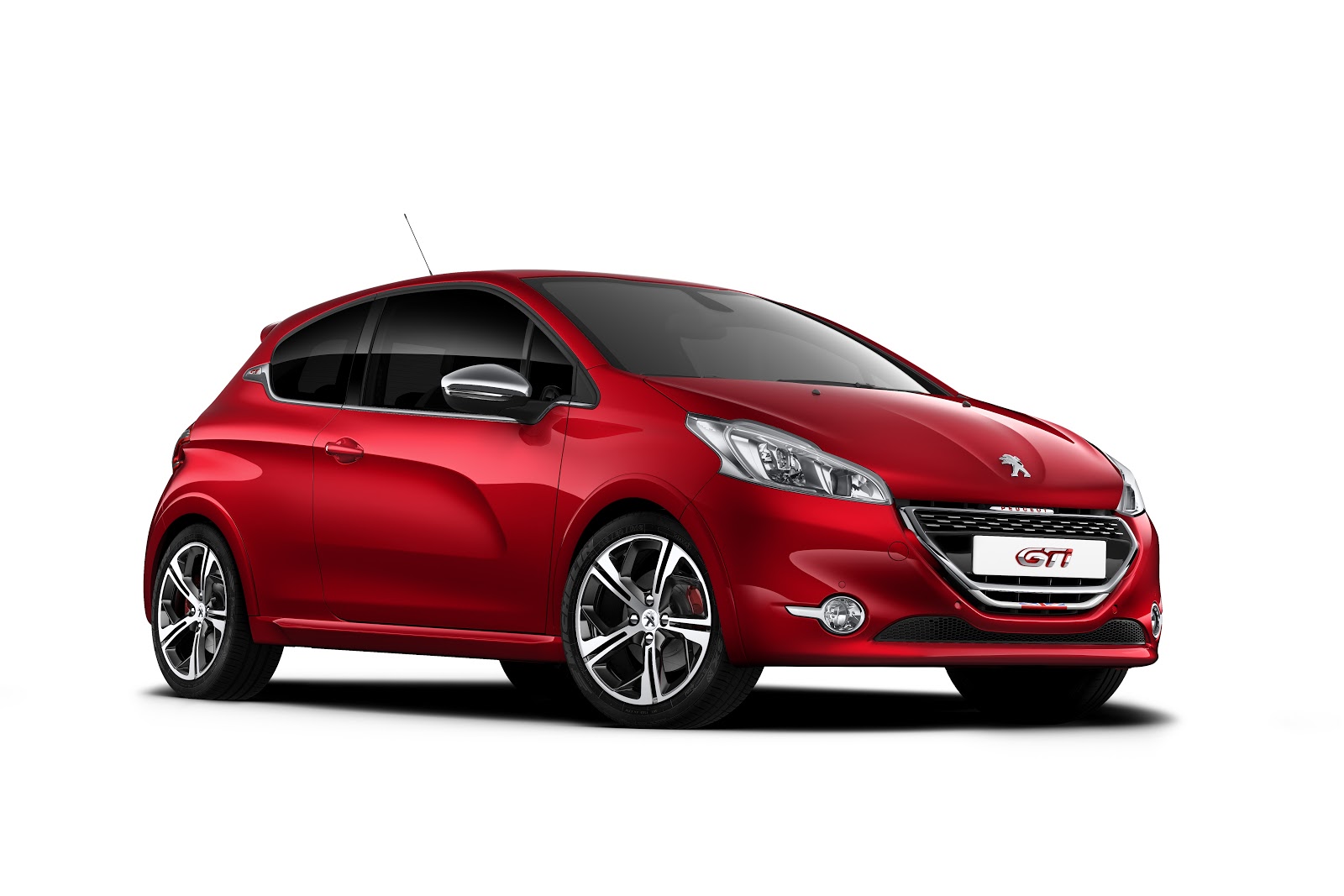
The Peugeot 208 GTI - A reignited Peugeot?

The Peugeot 208 GTI enters a revived hot hatch market.  James Parker looks at how it stacks up against its rivals

The names Peugeot and GTI, when brought together are enough to make many people go weak at the knees. Instantly nostalgia takes over, your mind jumps back to the 80s and you picture hot hatch magnificence in the form of the 205. This lairy little beast has since gone down as a cult icon in the hot hatch bible.
It was no-nonsense, possessing simple ingredients that when put together made a truely fantastic rip-snorting B-road blaster. What the original 205 GTI did so stupendously well was to put an incredible smile on your face every time you drove it. When you look at the cars that preceeded it, the unflattering 206 and 207 GTI, it does appear the new 208 has a lot to live up to - for too long has the Peugeot name been lost in the hot hatch market.

In the current market, hot hatchbacks are unrecognisable to their forefathers. They are heavier, safer and much larger and therefore we simply cannot expect the 208 to drive exactly like the 205 from some 20 years beforehand. But if the new car even possesses a slight pinch of the driving pleasure from its grandad, in such a claustrophobic market, it may provide a real bonus.

When looking at its rivals, most notably the new Fiesta and the Clio, the raw figures do stack up well. It nudges the same 200hp figure of its fellow countryman the Clio, is faster than the Fiesta, and possesses that all important ingredient crucial to a driving experience - a 6 speed manual gearbox, something the Clio has opted to ditch in its latest iteration - that going for a 6 speed DCT paddle shift box.

Predictably, the price lands it smack bang in the middle of the fight at £18,895, being cheaper than the Renault but also slightly under a grand more expensive than the Ford - which is what you would expect when looking at the performance and spec sheets. But potentially it’s the headline 1160kg weight that may work in its favour when it comes to responsiveness on the road and all round agility.

What it does lack however is a clever electronic diff that the other two boast, and that could prove costly when trying to gain much needed traction out of those 1st and 2nd gear hairpins on a winding country road - therefore meaning the Pug may lose a bit of ground to both when tippy-toeing around the limit.

I would go on to declare my underlying hate that Peugeot are going to rob drivers of any proper old school steering feel and feedback, by giving the 208 the typical electric power steering that is all too common now on new cars. But both the Ford and the Renault also feature the same ghastly system so therefore all three, to an extent, will suffer from the same problems.

Where I think the 208 will come up trumps with many punters however is its looks. Whereas the Fiesta looks rather out of proportion, with a front end that looks part knock-off Aston, part bottom feeder fish, and the Clio only coming in a stretched 5 door model, the design department appears to have been listening with the 208.

Unlike the Fiesta and the Clio, which have long been associated with the “hot hatch” phenomena, the Peugeot 208 comes from a much more mature, restrained family car underpinning. Because of that, I really do think it benefits hugely. Its lines are sharp and crisp, with chisel like headlights and a low grill.

Of course many will dislike the fact it’s slightly restrained, arguing that hot hatchbacks should always be in your face, brightly coloured shouty things, and that is the whole appeal of them. But I think with its slightly more matured image, the 208 might have tapped up a greater market, for people that still want a cracking drive, coupled with a more refined image - in that regard the looks could be compared with the Golf GTI.

So I guess I have to ask where exactly does it fit in this very competitive market?

Well we are really blessed to be able to pick from three so closely matched hatches. Not often have fans been able to sample all three cars simultaneously in the past. But that potentially makes the decision even harder, especially when they are so close in terms of performance, price and the ability to produce endless hours of fun.

What I think we have to do here is look at the three rivals in different lights.

The Fiesta is the cheapest here, albeit it’s the slowest, the performance differences are marginal, and with a cracking chassis you would have to expect many of the Ford faithful will see this car as the best value for money on paper - something which would be difficult to argue.

The Clio is all about its race pedigree. A punchy 200hp turbocharged engine, an efficient seamless DCT transmission, and a Renault pedigree for producing a crisp and effortless driving experience. If you wanted to take any car out of the three on a track, it would have to be the Clio - it is simply the most hardcore here.

The 208, well what that does is open up potentially a different sector. Whilst not being quite as crisp perhaps when pushed on the ragged edge like the other established two, it offers equal performance to the Clio, but with more refined and matured looks, and considering it is a full £1000 cheaper, in real world terms will the average owner ever find that limit where the two slightly differ?

I am not so sure about that, but what is certain however is that the 208 deserves to have the GTI badge on its rear end. After the train wreck that was the 206 and 207, the new car enters the hot hatch recipe at a totally different angle, leveraging Peugeot once again into contention with the best of the business - and for that it rightfully deserves it’s place alongside the Fiesta and the Clio in the market.

About James Parker - Hardcore Petrolhead having had a long passion for cars and Motorsport which stretches back some 15 years ago when I first started watching BTCC and Formula 1. Currently a proud Alfa Romeo owner, who is Head of Business Development at Motorsport Merchandise website www.grandprixmerchandise.co.uk I also am senior editor of theGPM blog dedicated to big Motorsport talking points.

Note: I'll be testing the Clio 200 Turbo soon.  Keep an eye out for my review on Speedmonkey - Matt
11 Apr 2013

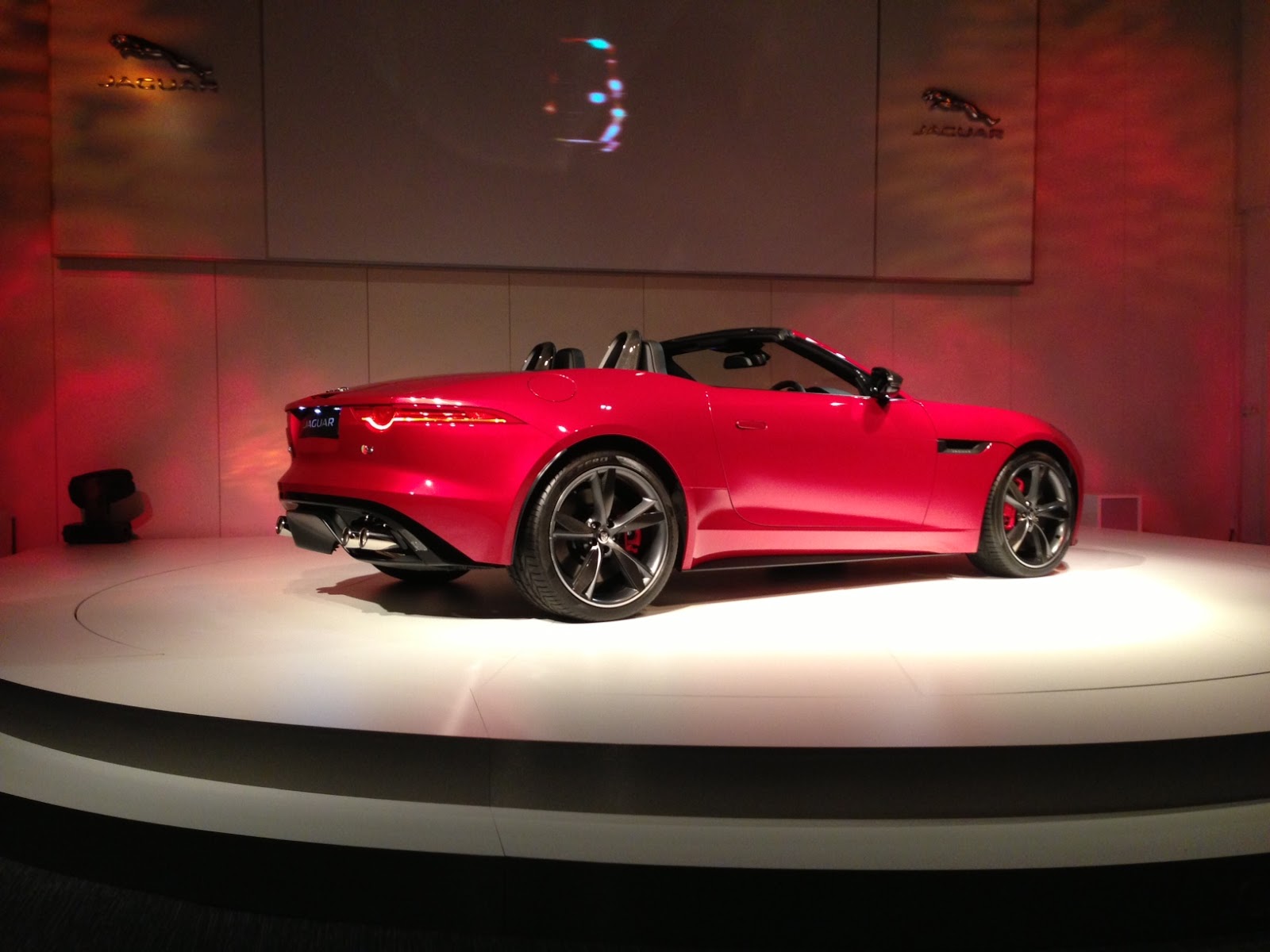
Has the Jaguar F-Type got a market to itself?

James Parker wonders where the Jaguar F-Type fits in to the sports car market

F-Type vs 911 threads across motoring forums have been raging for weeks now.  Pistonheads now boasts numerous threads on the subject with basically every point of view being thrown out there. If it is not in defence of the F Type, it is lambasting it as a dynamically inferior machine to the 911 with 2 less seats that simply cannot compete with the might of Stuttgart.

To be honest, until those first production ready models are ready to be test driven by the mass media, judgements on how it will drive and how it will feel is all speculation.  It will only be then will we get to find out if the £58,500 V6 base model is worth the (some would say) extortionate price tag. But one thing I would say - many have tried to take on the might of Porsche in the sports car sector and all have failed to some extent.

With a range that spans the Boxster, Cayman and 911, Porsche appear to have the sports car market sewn up from the £40,000 sector all the way up to the range topping £90,000 market where the 911 Carrera S prowls. We all know how poorly the Lotus Evora has fared in trying to pry sales away from the Cayman. Whilst dynamically it may be a match for the Porsche, (and with the supercharged V6 quite a runner) for £50,000, there is simply no comparison. King of refinement it certainly isn’t, and with seats in the back which a 3 year old would struggle to get in to the Cayman has simply swamped the plucky Brit.

So what about the F Type then, at £58,500 it is not going to be cheap by any stretch of the imagination and, when you consider the Boxster starts at £37,589, it leaves a sizeable gap in which the new Jag needs to prove itself as a worthy competitor. The new generation Boxster has only pushed the goalposts forward. With the new PDK box, the base spec Boxster can accelerate to 60 in 5.5 seconds (in sport+) and go on to a respectable 162 mph. This is all for £38k, and when you consider the F Type V6 base spec model only eclipses the 0-60 time by 0.4 of a second and actually has a lower top speed at 161 mph, it does pose the question - what are you spending the extra 21-odd grand on? Especially when you consider the Porsche also returns the greater MPG figures too, thanks to the new Direct Injection Flat-6 unit.

On the road, dynamically there isn’t much better than the Boxster and the Cayman. The more neutral, mid engined layout offers a more engaging driving experience than their big brother - the 911 and, for the price you pay, there is not really a better all round package.

In reality, whilst the range topping 495hp V8 S model is an appealing prospect, at £79,950 the majority of Jaguar’s sales are going to come from the lower spec V6 models due to real world constraints and practicality issues. This is precisely the niggle I have with the new F Type and therefore causing me concern for the new cat. The V6 models cannot be compared at all with a 911.  They are less efficient, less practical, slower and obviously in a different pricing bracket (where the V8 S model comes in).

But then on the flipside of the coin, will the entry level V6 models be substantially a lot better than the brothers from Stuttgart? It is going to take something incredibly special to challenge their mantle, and with a 21k price hike when comparing the base Boxster and F Type, you would have to think Jaguar are facing an impossible task.

One thing the F Type does have on its side however is achingly gorgeous good looks, and a sense of purpose when sat there looking at you. It is shorter than a 911 and wider than a Boxster which gives it a certain presence on the road. The front is chiselled, almost menacing, and with a delicate rear end its proportions are typical of a front engined rear wheel drive sports car. Of course looks are always subjective, but I fully expect that the F Type will look a lot better in the flesh when it is released to test (It does.  I've seen dozens and sat in several - Matt), when that presence can be felt when standing next to it.

Whilst the 911, Cayman and Boxster follow function over form, the rather restrained looks are more than made up for with a stunning dynamic ability on the road (after all you purchase a Porsche to drive it, not to look at it) the F type definitely steals the show in that respect.

But is it enough to get over the current problem it faces?

Perhaps another way to look at the F Type is to step away from the obvious Porsche rivalry and potentially see it in its own niche. The Aston Martin Vantage roadster is getting on a bit now, and when you look at the comparable performance, could it be potentially touted as a bargain Vantage Roadster in that regard? When you start going down that road, however, you start to question the existing motive behind the F Type - Jaguar fully believe it is a Porsche rival, and therefore the inevitable comparisons start to unravel.

Just what Jaguar had in mind I do not know as in every possible way (other than aesthetically) Stuttgart appears to be have this one sewn up already. Is it a case of missed opportunities when it comes to the F Type? 

What are you views?

19 Mar 2013

In this time of Environmental Uncertainty - Has the Supercar Triumphed?

James Parker believes the new breed of supercars will have benefits for us all

Having a love of cars is something that runs greater than skin deep, it is not something which you simply flirt in and out of, it becomes a passion (a very expensive one at that) in various guises. To declare yourself a petrolhead is not an easy task, but once that affiliation with everything four wheeled has grown, it becomes an almost unbreakable tie, something that never leaves you for the rest of your life.

Over the years, certain car manufacturers have done their best to satisfy that passion, allowing car lovers to feed on an addiction of noise, speed and petrol. Ferrari, McLaren, Porsche and Lamborghini are names that, when mentioned to any car fanatic, creates an almost God like feeling inside, the ability to instantly increase a heart rate by a few beats. Of course when we mention these historic names you can only think about one thing - supercars.

These magnificent creations of the automotive world have given way to near obsessions with many car nuts the world over.  For years they have been tickling all the right senses, and have all taken pride of place on many children’s bedroom walls. Their ability to captivate imaginations of so many people is incredible, but you only have to experience one, just for a second, to know exactly why that is.

During the 80s the world hit what is now regarded as “Supercar Heaven”, a period in history where almost all the major players decided to hop on the supercar bandwagon and express exactly what they were capable of. Ferrari with the F40, Porsche with the 959, Jaguar with the XJ220, and Lamborghini with the ever updated Countach, customers were spoilt for choice and it led to a period of supercar domination which culminated into the now iconic, original, McLaren F1. During my childhood I experienced this addiction first hand.  To me the McLaren F1 was the car I always wanted. It captured my imagination in so many ways.  What would 627 rampaging horses really feel like? Is the noise really as God-like as it appears on my Le Mans highlights video? Since then I made a promise to myself that one day, I would drive the Gordon Murray designed legend for myself - a day that unfortunately has yet to happen.

Before I delve into a supercar history lesson (we would be here for hours) let’s fast forward to the present day, and how I feel the Supercar brand as a whole has weathered the economic storm gripping the world, and how it will emerge the other side, a stronger more experienced force. It would be fair to say the current world does not like Supercars. In a time when people are being encouraged to become more environmentally friendly, and the eco warriors protest in force for countries to stop destroying the ozone layer, blasting around in your hypercar is not the ideal scenario.

It is this environmental change being enforced by most governments around the globe that has essentially killed engines that we have come to know and love. The glorious wail of a Ferrari or Lamborghini V12 engine at full tilt may become a thing of the past in the next 2-3 years and, for me, that is very sad news indeed. Car manufacturers are forced to look to smaller capacity forced induction engines to meet new euro emissions rules and, given the current state of the worldwide economy, more efficient too, and produce a brand identity which doesn’t involve destroying the planet (much to my dismay).

However in the next 3 years, this does not mean wealthy people who have a fondness for the supercar brand will be forced to drive around in Prius’s for the rest of their life, as the big guns in the business have literally fought back - more eco friendly? We'll give you more eco friendly!

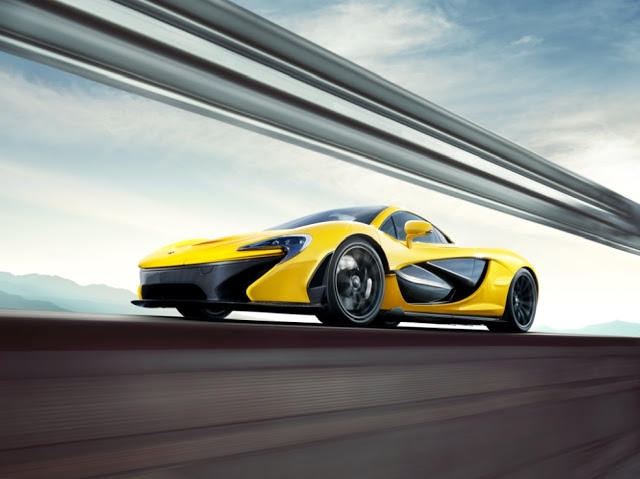
This is where things get really, really exciting for us petrolheads, as in the next couple of years we will have a titanic battle at the very top of the food chain between, Ferrari, McLaren and Porsche as all three look to combat the current environmentally challenging conditions, with meaner, faster, louder, yet most importantly more efficient hypercars. It was only last week that we started to uncover details surrounding the brand spanking new McLaren P1, which I am sure got a few people (including me) giddy at the knees - 903hp (engine and electric motor combined), 0-60 in under 3 seconds and an electronically limited top speed of 217.5 mph are not a bad set of headline figures and it raises the bar in every aspect. Alongside the nuclear bomb of an engine (3.8 litre Twin Turbo V8), there lies a KERS/DRS system similar to that being run in Formula 1 and with 176 extra hp on tap from the electric motor too, even bikers will get a bit nervous when the chiselled headlights of the P1 get ever larger in their mirrors.

But if you are thinking that McLaren have got the market all to themselves now, sitting pretty at the top of the tree, hold that thought and then push it into the abyss, as two of the biggest players in the business; Porsche and Ferrari, will be there to make sure the P1 does not get things all its own way.

Over the past couple of years, Porsche have been teasing us with the announcement of a new Carrera GT replacement and it appears, finally, towards the end of 2013 orders will start to be delivered. Of course everyone will know its name by now - the 918 Sypder and with over 830hp on tap it will be seriously fast. An RS Spyder derived (but enlarged) 4.6L V8 engine will be the main form of propulsion for the 918, producing over 572hp in standard form with an astonishing redline of close to 9000rpm. But an amazing 241hp will be on tap through the use of two electric motors (one connected to the front axle and one to the rear) which, when both are used, combined with the petrol V8 will see you very quickly enter into a new country let alone a new county. 0-60 is reported in 2.8 seconds with both electric motors engaged and it will quite happily top 200mph without breaking a sweat. With a KERS-like system which charges the batteries to the electric motors through the braking phase, it will see 16 miles on only electric power with, 93mpg returned.

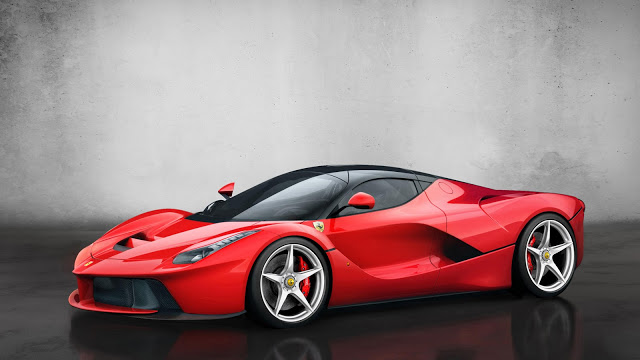
Finally, how could we forget about the boys from Maranello? If the Enzo or 599 GTO wasn’t quite enough for you in terms of power, exclusivity and performance, have no fear as Ferrari have just released their next in the throne to the king of the supercars.... the LaFerrari. Yes it is not exactly the best thought out name, in fact I could have thought of that whilst sat at home in bed, perhaps Ferrari need to give me a job?

But do not think for one second the “LaFerrari” is anyway a clown car. It is supposed to be the pinnacle of what the famous Scuderia can make, the flagship model and with that comes a price. At around £900,000 they are no way what you would call cheap, but with a monumental 963 rampaging horses on tap, and a 0-60 time of just under 3 seconds, this is no ordinary car. Featuring the same next generation 6.3L V12 engine from both the FF and F12 Berlinetta, it has been tuned to produce a monumental 800hp at 9250rpm, which when connected to the two electric motors which together produce 163hp to hit that glorious 963hp target make a very tasty combination. Featuring a KERS-like system which contains two batteries that harvest energy in the braking phases to power the two electric motors, it can now claim to be a semi-hybrid, which means Ferrari are starting to think of the environment, whilst making a car that would scare the living daylights out of you. Making the most out of movable aerodynamic devices (as trialed with the 458 and present on the P1) it can lap the Fiorano test track 5 seconds faster than its predecessor.

I have chosen to ignore the “bonkers” Lambo, as with just 3 produced it simply does not fall into the same category as the other hypercars which, in contrast to the Venano are “mass made”. It means we have from later on this year a three way battle at the top of the automotive tree. Porsche, Ferrari and McLaren, the three greatest marques in Motorsport are now going to enter battle on the road as well.

But more importantly, this new era of hypercars shows that the performance car market does have a future amongst the strife it faces from eco-mentalists. These cars are set to set a new benchmark that has never previously been seen before, and for that, the entire car market benefits. The best in the business are listening, and then adapting to the conditions they find themselves under to produce yet more man-made marvels. For petrolheads worldwide, this blossoming rivalry is the sign we need to conclude performance car makers are not going to compromise their reputation by building cars that no longer tickle all the right bits on your body. They are going to continue the fantastic philosophy of producing cars for people that enjoy driving and that is the key here.

If the hypercar market is set to hit a brand new high in these tough times, with McLaren, Ferrari and Porsche joining the likes of Pagani, it almost secures the future of the performance car for the coming years. In many ways you could say this tasty combination could be classed as a triumph amongst the world of Prius’s and G-Wiz’s - who said environmental concerns would destroy the supercar market?!?!

Here’s to burning rubber for many years to come.....

About James Parker - Hardcore Petrolhead having had a long passion for cars and Motorsport which stretches back some 15 years ago when I first started watching BTCC and Formula 1. Currently a proud Alfa Romeo owner, who is Head of Business Development at Motorsport Merchandise website www.grandprixmerchandise.co.uk I also am senior editor of theGPM blog dedicated to big Motorsport talking points.


1 Mar 2013

Has Honda lost control of the hot hatch market?

James Parker looks at Honda's recent hot hatch history and wonders if the Civic Type R will regain it's crown
The hot hatch market has always been a huge interest to many a petrolhead. The ability to mix the potent combination of power, driving fun and practicality has always appealed to the masses.  As for bang for your buck, there perhaps lies no better type of car - it is petrol head heaven.  In this day and age the Hot Hatch market contains more manufacturers than you can shake a stick at.  Gone are the days where the Golf GTi, Renault 5 Turbo or Peugeout 205 GTI were the weapons of choice -  and that was it.  And it has lead to the market today to become claustrophobic and competitive.

Renault, Ford and Vauxhall dominate the scene today, with the new 5 door ST, “bonkers” Astra VXR and track honed Megane RS leading the way for all manufacturers to follow. All 3 approach the “hot hatch” recipe differently, with the Megane focussing more on a delicate poise and crisp chassis to deliver a sublime driving experience, whilst the Astra has adopted the role of the hooligan, with a monumental nuclear bomb type engine under the hood. The Ford has gone for a compromise between practicality, handling and straight line acceleration, therefore it cannot really match the Megane for poise, the Astra for speed and looks to combine a better, more rounded, user friendly experience than the other two.

Hang on a minute though..... Where's Honda in the list???

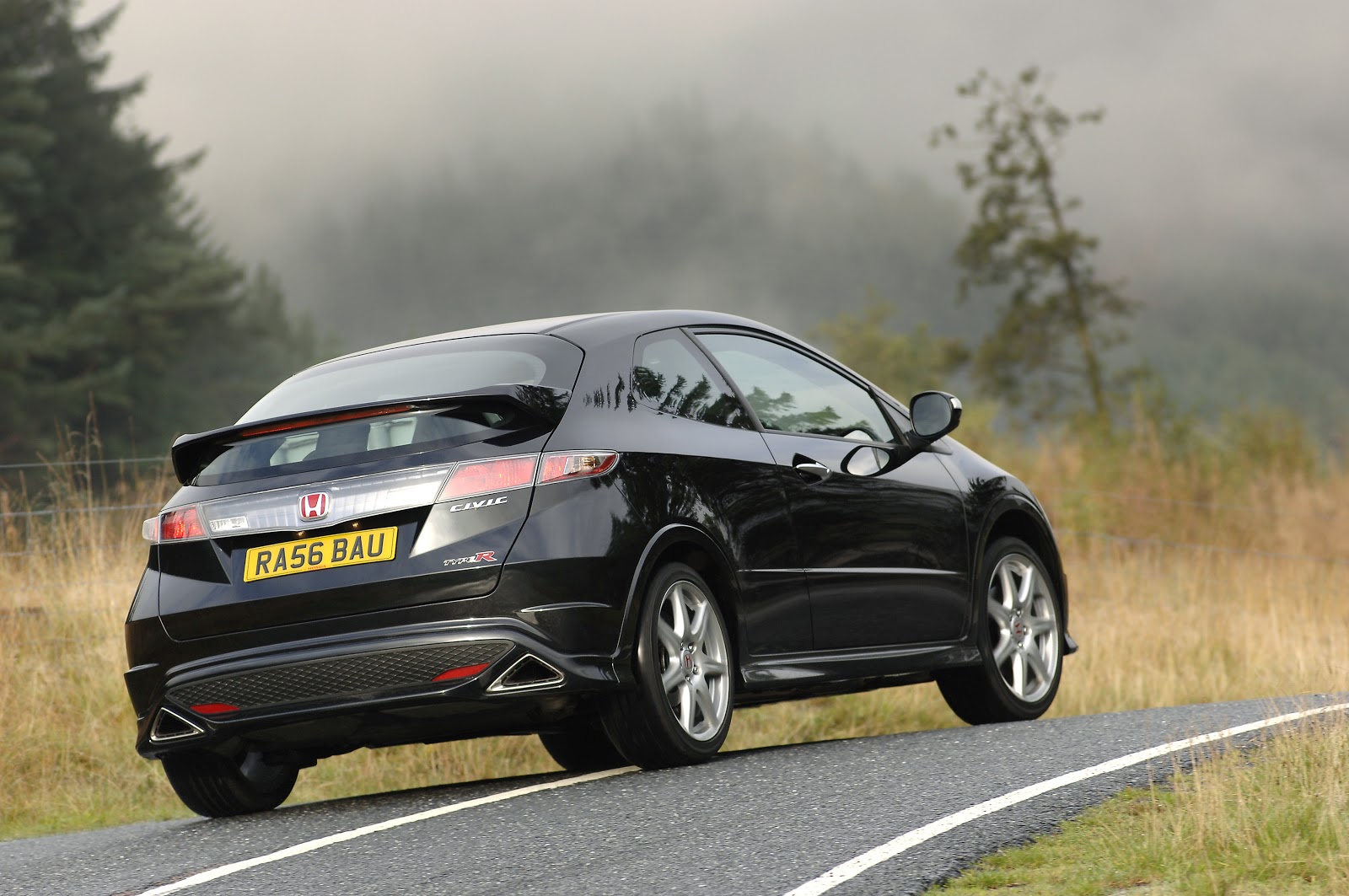
I can imagine many Honda fanatics (of which there are a lot) will protest that the Civic Type R is indeed the “ultimate” hot hatch, but is the FN2 really a step forward from the EP3 in terms of keeping up with the goalposts set by the above 3? Now, before I get ridiculed, I am a huge fan of fast Hondas.  I have wanted an S2000 for longer than I can remember (albeit that isn’t long these days) and the EP3 Civic Type R was a complete riot. It was a stage in Honda's history that was considered “golden” just after the turn of the millennium, and both models took the world by storm.

The EP3 Civic was a giant step forward from the EK9.  It was a lot more refined, honed to deliver a brilliant driving experience whilst retaining that completely mental attitude we have come to associate the Type R with.  If it could, it would go around licking every conceivable window in the UK.

The reason it was such a success was the engine, 2 litres, two cams, and 197hp of perfection known as the VTEC. It produced a noise that would ring in your ears for days, a scream that was so mechanical, so raw and untame. Once that second cam was engaged you would instantly find yourself in the next county very, very quickly, with the biggest accompanying smile in the country.

Since its early days, the VTEC unit has gone into folklore as one of the great engines in the automotive world, and the adapted unit that slotted straight into the engine bay of the S2000 (240hp from 2 litres) held numerous hp per litre records for years. But in the EP3, whilst the engine was sublime, it was the way in which it conducted itself around the bends of the UK that was the main reason for its unparallel success.

The chassis was absolutely magnificent - it was ridiculously light on its feet, and hugged the road like you hug your favourite granny, only when you did overstep the mark very slightly would you get a hint of lift off oversteer, of which you could almost telepathically control.  It was quite simply the “perfect” hot hatch with an engine that could rev to 9k - could a petrol head want anymore?

Fast forward to the current day and the Type R brand has took a serious battering with the latest FN2 spec model. It is heavier, softer and not as involving as the EP3 chassis which drew a lot of criticism during its reign in Europe. The trouble is, the VTEC unit has now reached the end of its life somewhat.  In the EP3 it was tuned to its limit, with the exception of bolting on a turbocharger (which a lot of owners did. Madness!) and therefore, for the FN2, I expect Honda didn’t quite know what to do to squeeze those extra horses out. As a result the 197hp remained and FN2 Type R is slower than its predecessor, whilst also losing some of the “hot hatch” magic, the sharpness, and poise.

Then of course we have the Euro V emissions standards which, since 2010, has been the sole reason for the FN2 production line to halt as the VTEC engine no longer meets the stricter, cleaner standards for emissions of all cars produced after 2010. This has meant for two years now the Civic Type R brand has stood still whilst rivals improve year on year, and it has meant the car has simply been left in the shadows compared to the big guns. There of course does remain a certain appeal towards the Civic Type R “way of things”, a nostalgic recipe almost of staying “true” to a driver’s car, a high revving, N/A motor, attached to a decent chassis which goes rather quickly always has it’s perks. But it is the main reason why EP3 prices have started to rise whilst FN2’s have dropped significantly, as the older generation is simply better at that recipe than it’s dad.

Through all of this madness, Honda have simply lost their stranglehold on the market, and for the new Civic range they will need to change their philosophy (albeit with much sadness) to keep up. Smaller displacement forced induction engines dominate most of the automotive world now, where efficiency and emissions can be met alongside performance. Of course in the hot hatch market this is best measured in terms of the top 3 all boasting turbocharged units - it is simply a recipe that you need to have to be successful and sustainable as a brand now.

For 2015 Honda have gone back to the drawing board and they have announced a new Type R Civic. That is brilliant news for the masses as the car does deserve to return to the pointy end of the market. A 265hp, 1.6 litre, turbocharged engine looks set to be the unit of choice and it means that, finally, after a tremendous career, the iconic VTEC engine can go on to retirement.

Honda have announced that the target is the Nordschliefe lap record currently being enjoyed by the Megane RS, but they may need to re-evaluate it closer to the time. Two years is a long time in the automotive world and Honda may have a bigger yardstick to aim for in that time. Ford, Vauxhall and Renault will not stand still and in two years time, expect newer, faster, more refined cars from them as they vie for top spot once again in the hot hatch grudge match.

But let’s not underestimate the Honda engineers.  They an incredible reputation for producing magnificent performance cars when they put their mind to it, and I sincerely hope they go back to “basics” with the new Type R, taking inspiration from the iconic EP3. Whilst the new car might not go around licking windows, I expect it to once again be a serious track day rival to the Frenchies and the Megane RS and it might be enough to once again stake their claim in the hot hatch market, something they have lost hold of in recent years.

About James Parker - Hardcore Petrolhead having had a long passion for cars and Motorsport which stretches back some 15 years ago when I first started watching BTCC and Formula 1. Currently a proud Alfa Romeo owner, who is Head of Business Development at Motorsport Merchandise website www.grandprixmerchandise.co.uk I also am senior editor of theGPM blog dedicated to big Motorsport talking points.

16 Feb 2013

The Porsche Flat 6 - The Greatest Engine In The World

Following our recent Greatest Engines article James Parker writes about the engine that powered Porsche to 14 victories at Le Mans.

In the history of the combustion engine, there have been an uncountable amount of different varieties that have come and gone in various forms - each with their own unique abilities. This is because an engine can perform a fantastic amount of tasks dependent on what it has been built to do. V8s, V10s, V12s, turbocharged units, V6s, they all possess unique characteristics which give advantages with certain requirements or situations and then, of course, disadvantages in others.

Due to this reason alone there are no specific parameters or regulations to adjudicate which engine is greater than the other, and therefore, much like the “my car is better than yours” argument down the pub, the reasoning comes from a sole judgement call from each individual person.  This inevitably means there will be some disagreement between petrolheads.

But I have made my bed, I am now going to lie in it, and over the next few minutes I am going to do my best in persuading you that my choice is possibly the greatest in the world - bar none. So how have I come to my conclusion then? For an engine to be judged as perhaps the greatest in the world, for me personally, it has to have changed the world somewhat, revolutionised the way we think about cars, having a pedigree and history that exists through decades, and has brought unrivalled success both on and off the racetrack. I can imagine a few of you readers might have guessed already what exactly my choice would be, and it probably might not come as a surprise, but for me there lies no better engine in the world than the Porsche Flat 6.

Being a petrolhead almost all of my life, I have encountered a fair share of engines.  Obviously taking a huge interest in the history of Motorsport and performance cars before my time, it has only made the decision even harder, but to me there is something just truly special about the little flat 6 motor - but what is it? Well it was only last year that the “latest and greatest” 911 was released, the magnificent GT3RS 4.0; a kind of send-off for the magnificent 996/997 generation which has now been preceded with the 991 series. It was the culmination of 47 years worth of heritage and pedigree which gave way to possibly the greatest “drivers” car of all time.

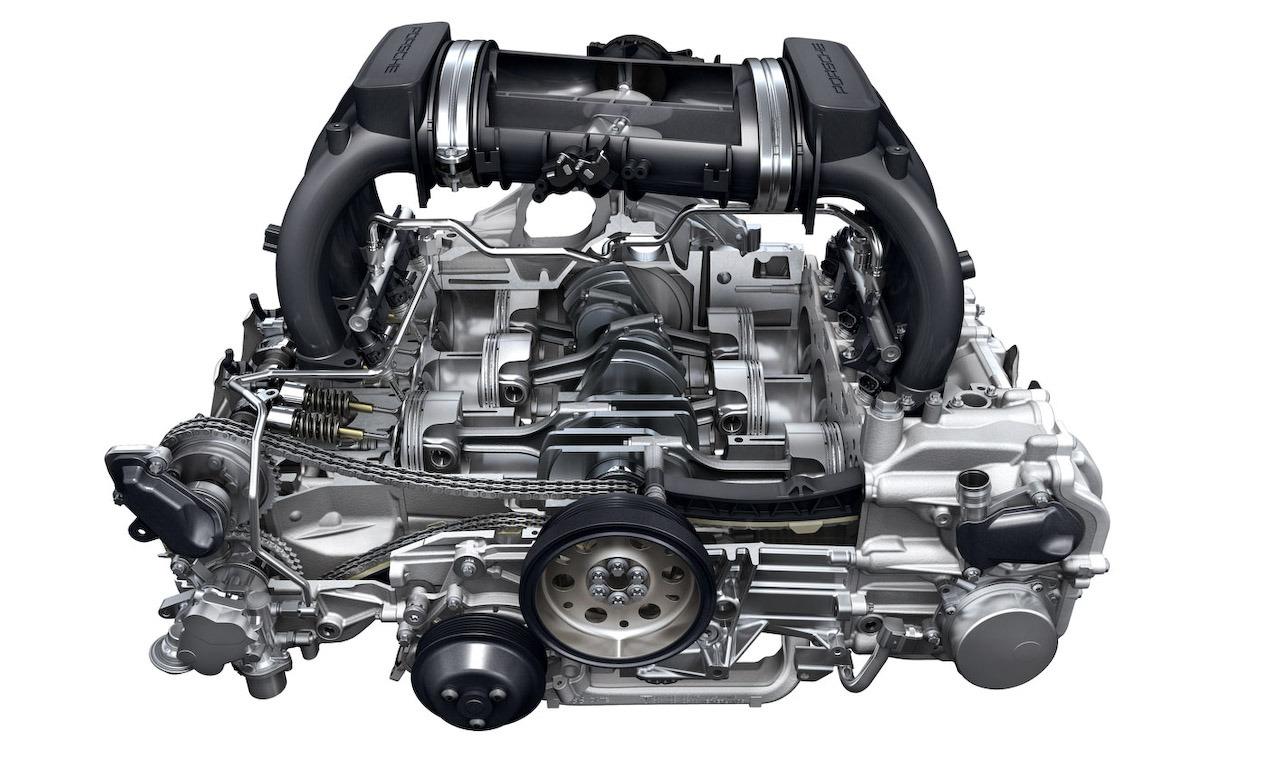
But what makes the car so stupendously brilliant in many respects is not the downforce, the gearbox, high speed stability or massive brembo brakes, it is that beating flat 6 heart, and to declare why the 6 banger is possibly the greatest engine in the world we have to start right here at the end of its life. 493 hp, 125.1 hp/L, 339 lbf·ft, a GT3RSR derived crankshaft all in a neatly packaged 4.0L Flat 6. It has put itself in the record books as the most powerful N/A engine in the world in terms of power to Litre, beating the likes of the Lexus LFA, Ferrari 458 and Honda S2000, and at nearly 500hp it puts most cars with much greater displacement and cylinders to shame - it is put simply porscheography.

The engine by all accounts is a nuclear bomb, having been fortunate enough to drive a 3.8L GT3 before, I know how magnificently flat the power and torque curves are right up to redline, but to then add another 50 odd hp on top of that, I am struggling to imagine the effect that has on your gut when you press the loud pedal. But why is this all relevant?

Well to really appreciate how far the flat 6 has come in almost 47 years, the 4.0L GT3RS is perhaps the best living proof of that - a 47 year old design which to this day is still kicking everyone's ass - not bad for an engine constantly being reported for “being in the wrong place” over the rear axle. But this is only the start, as the flat 6 unit has been attached to some scary, and when I say scary I mean terrifying, race cars. The Porsche 956, 935, 962, 959 and 911 GT1, are all cars that have gone on to dominate racing around the world in one way or another - all with exactly the same flat 6 engine. The 959 went on to crush everyone at the infamous Dakar rally, the 962,956, 935 and GT1 all went on to win Le Mans outright, destroying all competition for year after year in sports cars - the cars changed but the engine did not, and powering a Stefan Bellof driven 956 around the infamous Nordschliefe it captured a lap record that still stands today some 30 years on, at 6 minutes and 11 seconds.

The durability, versatility and reliability were all traits that made the flat 6 such a legend in endurance racing. The ability to change from N/A form to turbo charging paid testament to the hard work the Porsche engineers put in to developing the engine internals and the results were spectacular. Big KKK turbochargers were attached to both the 935 and 956 race cars, with the 935 in race trim sometimes yielding over 800hp yet had the durability to race flat out for 24 hours at Le Mans at a pace to see the car claim victory. When we talk about the greatest engines in the world, the flat 6 has seen it all. On the road it is the framework for almost every single 911 based engine, turbocharged or non turbocharged, and whatever model you choose from Porsche, one thing will always remain constant, that glorious wail of a flat 6 on song, whether it be Boxster, Cayman or 911.

On the racetrack however it has built up a reputation that few, if any can match.  The tenacity of the Porsche engineers to stick with the same simple principles has paid dividends. 16 overall wins at Le Mans is something no Motorsport fan can argue with (the greatest in history), and when we break those down and learn that 14 of those overall victories came through the power of a flat 6, it really starts to paint a picture of how stupendously brilliant the engine really is.

When you then take into consideration that over the past 7 years at the historic Nurburgring 24 hours, a flat 6 powered GT3 RSR has taken victory 5 times with the Manthey Racing team it starts to hit you just how influential this engine has not only been to Porsche and the road car market, but to racing and Motorsport, they have almost gone against all other design principles every other major manufacturer follows in the entire motoring world and stuck to what they believe in. The results? Possibly the greatest “drivers car” in the world and “greatest sports car of all time” in the 911 on the road, whilst maintaining one of the greatest legacies in the history of Motorsport on the track. Many models have come and gone over the years, but one aspect remains a constant, a household name in it’s own right - the flat 6 Porsche engine.

It’s wail is iconic, its pedigree unrivalled, power and torque unmatched in its sector, and contains a history even some car manufacturers cannot claim to have. To class the famous little engine as anything but spectacular would be a crime against everything any petrol head stands for, it has conquered so much over such a great period of time, against the fiercest of rivals from all over the world. What Ferdinand Porsche stumbled upon in 1965, with the creation of the 911, was something of a legend, the flat 6 engine has since gone on to carve a legacy only rivalled by that of which it powers, and for that reason alone it is in my eyes the only contender when it comes to the debate of “The Greatest Engine Of All Time”.

But I am still wrong aren’t I?

About James Parker - Hardcore Petrolhead having had a long passion for cars and Motorsport which stretches back some 15 years ago when I first started watching BTCC and Formula 1. Currently a proud Alfa Romeo owner, who is Head of Business Development at Motorsport Merchandise website www.grandprixmerchandise.co.uk I also am senior editor of theGPM blog dedicated to big Motorsport talking points.

30 Jan 2013

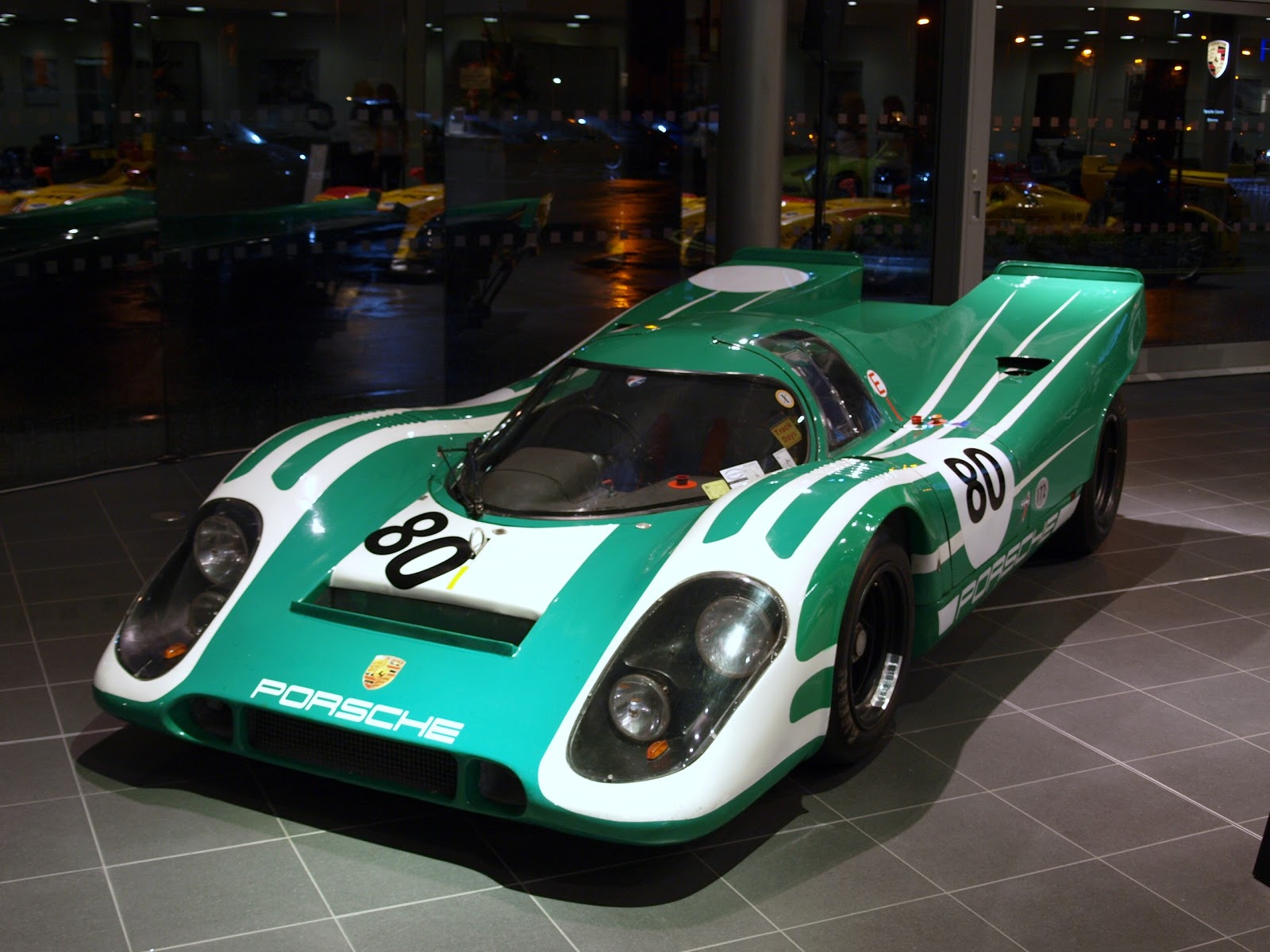
A Green Porsche 917 - An Icon, A Legend, A Cause of So Much Trouble

James Parker writes about the case involving Mark Hales, David Piper and a Porsche 917

These past couple of weeks in the motoring community have been fuelled with turmoil as one story has dominated all the headlines for petrol heads across the country, and it all surrounds one of the most famous pieces of automotive history to grace the racing track. During the 70s, to witness a Porsche 917 at full tilt around Le Mans was a sight to behold, it was a sensational racing car, that possessed more power than God himself, and helped catapult Porsche into a legendary icon. Unfortunately however, like many classic legends, they were rather fragile beasts to handle, and as a result you have to count yourself incredibly lucky to see one running in the flesh today - they are rarer than hen’s teeth.

This brutal beast from the deepest depths of Stuttgart has not got any easier to handle as they have aged, and as a result the price tag has generously risen to quite a considerable margin in today’s money - the cars are gold mines for investors and therefore rarely see the kind of action they were designed for nowadays.  A very sad state of affairs for everyone who has not been lucky enough it witness it in person, or has petrol running through their veins - me included.  Now, of course, in 2009 at a serene Cadwell Park, Mark Hales wanted to change all that, to give an insight into this wonderful animal -  borrowing a David Piper owned 917, pitting it directly with the Nick Mason owned Ferrari 512 S for numerous publications, all for the huge benefit of us, the classic car lovers across the country.

I want to first point out before I move on, I do not personally know either Mark Hales or David Piper.  I do not know the complete ins and outs of the controversial case surrounding the story, and therefore will not try and decrypt the events that happened on that day. But what I will do, is offer my opinion on the facts that have been given - why perhaps I do feel slightly sorry for Mark, and how this could set a dangerous precedent for the future regarding tests of this magnitude.

So where do we start? Well I thought it would be appropriate to look back at the situation that arose that day back in 2009, and what we could perhaps learn from it. For the test, Mark had entered into an agreement with David regarding the use of the iconic green 917 - one of a verbal nature that explicitly stated to get this priviledge, you are under a “bend it you mend it” policy.  It is considered the norm, surprisingly to some, and it epitomises the gentlemanly type agreement that is not seen in many other types of business. For example you will not see many formal papers or contracts flying around the Goodwood Revival.  The machines are trusted with exceptional professionals and therefore a mutual trust does need to be present.

This was apparently the case with Mark and David, and let’s be honest Mr Hales is not the young kid on the block who has zero experience. He is a thoroughbred racing driver, having competed in the BTCC during the 80’s and then looked to apply his impeccable driving talent to a journalistic career - something he has done incredibly well, alongside competing in numerous classic car races such as the Spa 6 hours.

This made Mark the ideal man to get behind the wheel of the green beast and give a unique insight to driving something almost all of us on the planet will never get to experience. But on that day something went very, very wrong. Whilst lapping the Cadwell Park circuit, Mark went to apparently change gear from 2nd to 3rd.  After he had completed the change the gear “popped out” and of course, when driving at full tilt, the engine immediately chewed itself to bits leading to no more 917.

This does present a couple of questions from either side of the fence, one being why was no rev limiter installed to the car? And secondly why was no insurance valid on Mark’s side of the deal?

The first question is of great intrigue to me, and one I am completely confused about. Let’s be frank here, a 40 year old Porsche 917 is never going to be the epitome of reliability in this day and age.  It is almost a living, breathing extension of the driver, and therefore needs to be nurtured and looked after. But that does not mean it cannot be restricted to garages and museums.  Proper steps can be ascertained in order to ensure the car does not blow a piston ring the moment you rev it above 5k, and one of the most obvious decisions would be to fit a rev limiter.  One was not fitted to the green 917 which Mark tested and therefore leaving components exposed to the brutal incident we saw. I am sure David Piper knows how fragile his racing car is, so why was a rev limiter not fitted?  Had it been fitted before the test there is a stark possibility that even in the event of a popped gear, the engine would have not been allowed to rev above a “safe” limit.

Secondly there comes the point of insurance, the ability to cover your most prized possessions in the event of the unthinkable. When it comes to insuring a Motorsport relic for the day it gets slightly complicated. The price you would pay to get the privilege of cover on something like a 917 is astronomical (as you would think) and therefore the majority of journalists are not in the position to splash out that kind of capital.  If every high-performance piece of machinery had to be insured before a test, the Motoring Journalist industry would be completely dead, and therefore medians need to be met, as they supposedly were with a verbal agreement between both Mark and David.

I can understand if Mark had indeed smashed the car into one of the many banks surrounding the Cadwell Park circuit, he would be immediately liable for the damage he caused, it would be down to driver error and therefore no excuse for blame to be passed to his door.  But mechanically related issues are a lot harder to lay blame on, as we know reliability is a grey area for a machine like the Porsche.

Considering David has just sold the 917 for over £1 million you would think the cost of an engine rebuild (£40,000) would be covered by Piper as part of the verbal agreement given the temperament of such a car? After all, owning a car of that type there will always be a huge risk of it eating itself at the first opportunity. Of course this has not been the case and Mark has been forced to pay £110,000 (court costs included) in compensation and, with it, be forced to declare bankruptcy - according to reports.

It is a deeply harrowing situation, but what does it mean for the future of tests like this?

The situation with David and Mark is one of complete isolation.  There have been no other cases of this magnitude before and therefore this is new territory for everyone within the motoring market. This is the dilemma that now faces a lot of car journalists when testing machines like this - is it possible to even step into a classic racing legend like this without having the formal papers thrown at you?  I know a lot of people would have taken Piper’s actions as one of common sense and Mark should never have stepped into the car if he did not have the financial means to overcome any eventuality. But that is not the point of motoring journalism is it? As stated above, if all followed that rule we would simply not have a credible motoring journalism market for us all at home to enjoy.

Owners that are lucky enough to possess such fantastic and brilliant cars will inevitably be petrolheads in their own right. They live to see the cars being showcased and “shown off” somewhat.  Letting a professional go out there and do things with the car it was designed to do must provide a huge sense of pride to the owner, and therefore I think the market will overcome this controversy and the stain of this story slowly disintegrate until it cannot be seen no longer. Trust in these individuals is vital between an occasion like this, and picking the right people to do business with is perhaps just as important as the cars you drive, something unfortunately Mark has found out with David.

Whilst the case is something I simply cannot comment on, being just a car enthusiast and fan of Mark’s work, I do feel incredibly sorry for him. He was working towards giving us people at home something we could really love, a test that eclipses nearly all others, and in doing so has paid the ultimate price in that. I think we all as readers, petrol heads and the motoring community should all rally together to help a man that was simply just trying to do his job.  A man that has, in my opinion, been treated incredibly unfairly.

To help, Track and Driver Magazine, whom Mark is associated with, have set up a fund towards Mr Hales with the hope the motoring community will contribute to help him out of this desperate situation, you can find that right here: http://www.trackdriver.com/mark_hales_appeal.php

About James Parker - Hardcore Petrolhead having had a long passion for cars and Motorsport which stretches back some 15 years ago when I first started watching BTCC and Formula 1. Currently a proud Alfa Romeo owner, who is Head of Business Development at Motorsport Merchandise website www.grandprixmerchandise.co.uk I also am senior editor of theGPM blog dedicated to big Motorsport talking points.